Fuel Prices in Odesa Surge Past 70 Hryvnias for Diesel and Premium Gasoline.

Sharp Increase in Odesa Fuel Costs
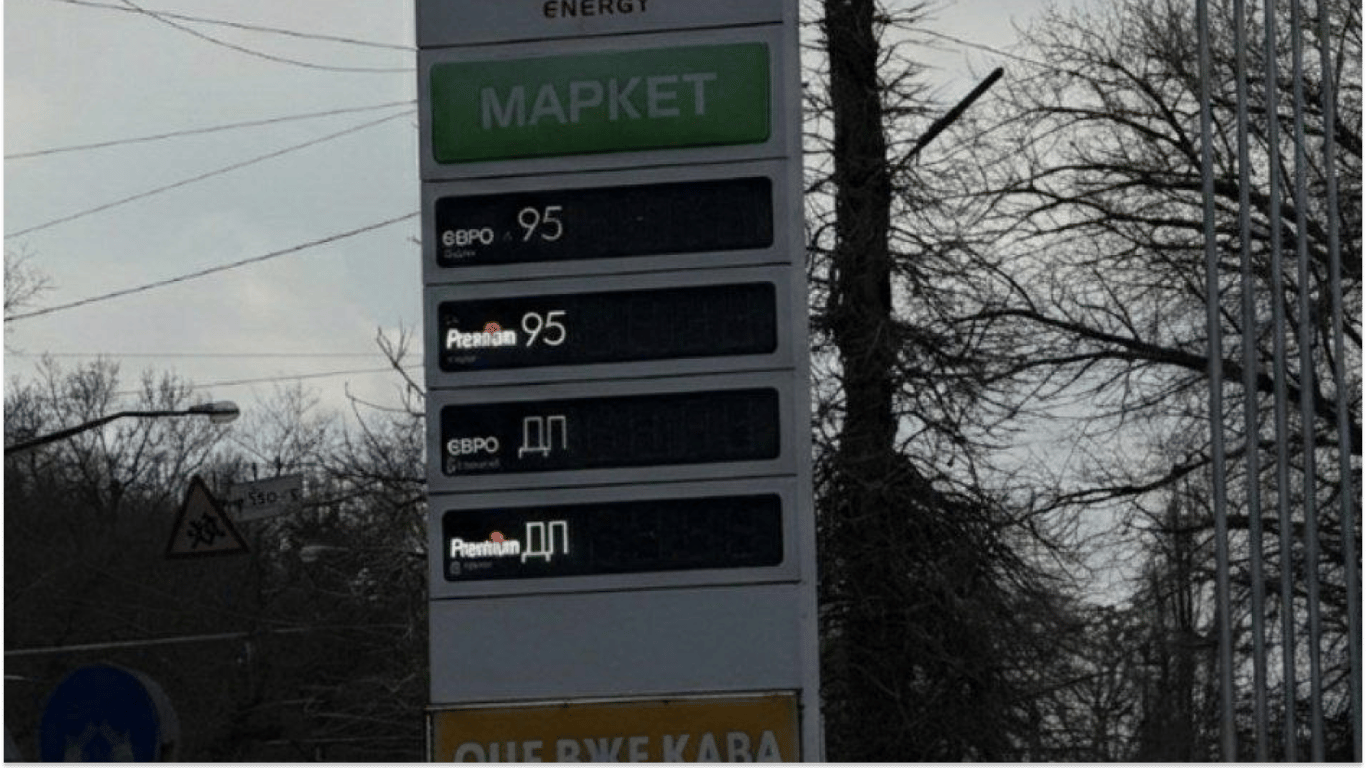
According to Novyny.live: Fuel prices in Odesa have experienced a significant single-day jump, with diesel and premium-grade gasoline now costing over 70 hryvnias per liter. As of March 4, 2026, average fuel prices across the Odesa region have surpassed 67 UAH per liter, marking an increase of 2-3% compared to the previous day and affecting all fuel types. This sharp rise is a notable development for a key port city and regional economic hub.
Current Prices at Regional Fuel Stations
The latest prices at fuel stations in the Odesa region are listed below:
- AMIC Station:
- Gasoline A-95: 65.99 UAH
- Diesel Fuel: 66.99 UAH
- Autogas (LPG): 38.99 UAH
- SOCAR Station:
- Gasoline A-95+: 71.99 UAH
- A-95: 69.99 UAH
- Diesel: 69.99 UAH
- Autogas (LPG): 39.98 UAH
- WOG and OKKO Stations:
- A-95+: 73.99 UAH
- A-95: 70.99 UAH
- Diesel: 70.99 UAH
- Autogas (LPG): 41.98–41.99 UAH
- Ukranafta Station:
- A-95+: 70.99 UAH
- A-95: 67.99 UAH
- Diesel: 67.99 UAH
- Autogas (LPG): 40.99 UAH
- BRSM-Nafta Station:
- Gasoline A-95: 63.99 UAH
- Diesel: 63.99 UAH
- Autogas (LPG): 36.99 UAH
- Katral Station:
- A-95: 61.99 UAH
- Diesel: 67.99 UAH
- Autogas (LPG): 35.99 UAH
The regional average prices in Odesa Oblast are as follows: premium A-95 gasoline — 71.73 UAH, standard A-95 gasoline — 67.25 UAH, A-92 gasoline — 63.99 UAH, diesel fuel — 67.86 UAH, and autogas — 39.21 UAH. The most substantial daily price hike was recorded for diesel, which rose by nearly 3 hryvnias per liter.
While the specific drivers behind this price surge are not detailed in this report, the increase has raised concerns among drivers and consumers about potential market speculation. The situation requires close monitoring, as higher fuel costs impact not only individual motorists but also the broader expenses for transporting goods and services.
The rise in Odesa's fuel prices may result from a combination of domestic and international economic factors, including fluctuations in global oil prices, changes in currency exchange rates, or supply chain disruptions.
It is important to note that fuel price increases typically lead to higher costs for other goods and services, which can negatively affect the regional economy. Consumers should prepare for potential changes in their transportation and daily living expenses.
Read also
- Ukraine Strikes 42 Russian Vessels in 11 Days as Drone Campaign Intensifies
- Russian Stock Market Crashes Nearly 9% — What This Means for the Economy
- Record 324 MW of Wind Power Built in Ukraine in 2025: Here’s Where the New Farms Are
- How Donetsk Once Served as the Heart of a British Colony in Ukraine: The Story of Yuzivka
- Drone Strikes on Refineries Trigger Fuel Crisis in Russia: One in Five Trucks Now Idle
- Russia’s Economy Shows Cracks as Stock Indexes and Business Sentiment Plunge to New Lows