When a Neighbor Can Force You to Tear Down Your Fence.

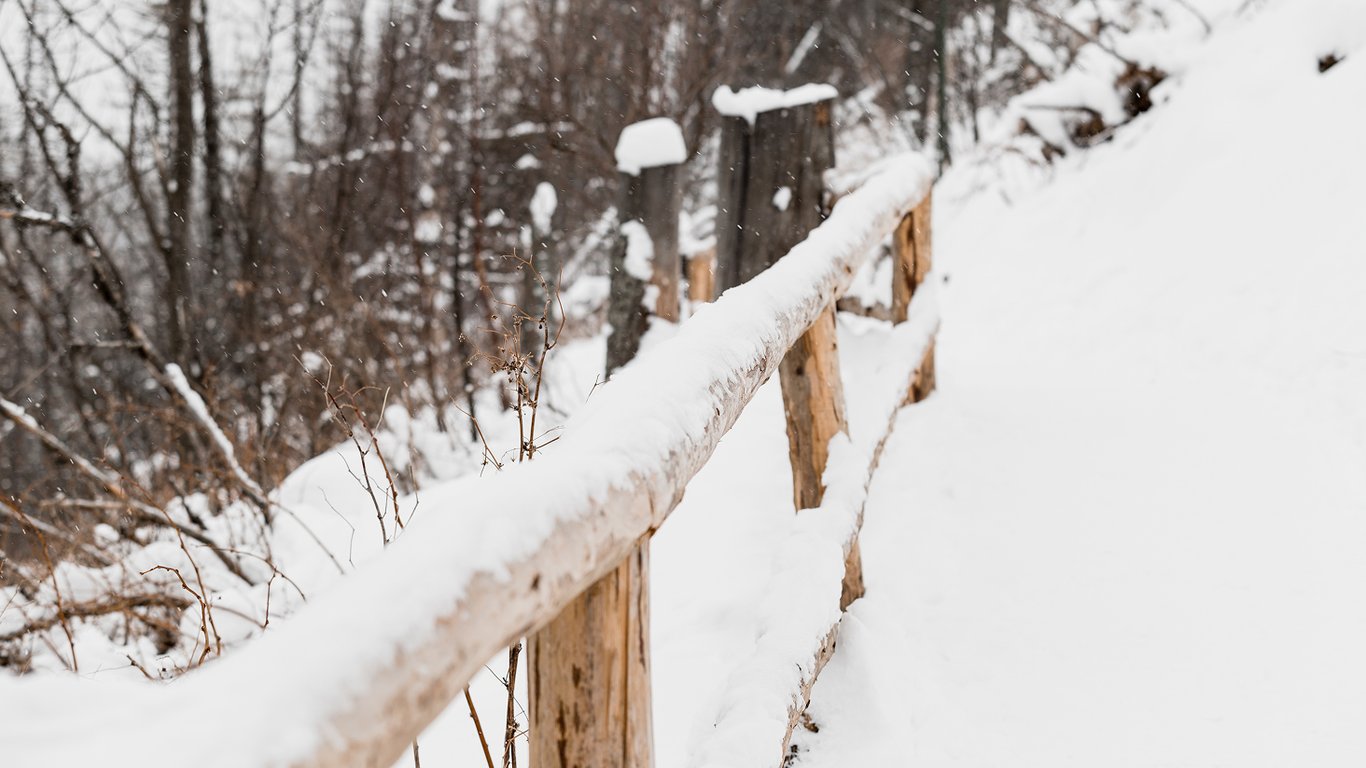
Legal Framework for Fences in Ukraine
According to Novyny.live: In Ukraine, the rules governing fence construction, including their height and placement, are defined by land legislation. According to Article 103 of the Land Code of Ukraine (LCU), landowners must use their property in a way that causes the least possible harm to their neighbors. This principle is designed to foster harmonious community relations and prevent disputes between adjacent property owners.
Illegal Fences and Their Consequences
When is a fence considered illegal? Per Article 212 of the LCU, owners who unlawfully occupy another's land are obligated to remove the fence at their own expense. This can become a significant burden for those who disregard legal requirements, as the fallout may include demolition costs and potential legal penalties.
Regarding fence height, State Building Codes (DBN) recommend the use of transparent materials. This is not merely an aesthetic consideration but also a matter of safety and comfort for all residents. Adhering to these guidelines is crucial for avoiding violations and conflicts.
Who pays for the fence? As expert Oleh Kozliak notes,
"if the fence is built solely on your plot, then the owner bears all costs."This underscores the importance of a considered approach to fence installation and financial planning.
Therefore, the legal aspects of erecting fences in Ukraine are a critical issue requiring landowners' careful attention. Complying with land law requirements can prevent future misunderstandings and unnecessary expenses.
This information is particularly relevant given the active development of residential construction in Ukraine, which increases the need for clear property boundary regulation. Property disputes over fences are a common issue in many jurisdictions. Owners should be well-informed about their rights and responsibilities to avoid neighborly conflicts and legal troubles. Understanding the legislation helps ensure harmonious coexistence within the community and preserves a comfortable environment for all residents.
Read also
- One-Time Pension Supplement Coming in August for Ukrainians: Here’s What Different Groups Will Receive
- Ukrainians May Be Placed on Wanted Lists by Draft Offices: Who Is Affected
- Desperate Call for Evacuation Corridor in Oleshky: 6,000 Adults and 200 Children Await Rescue
- The 'Save Our Bacon Act' Aims to Bring Back Tight Sow Stalls in the US
- Beloved Vinnytsia Musician and Father of Three Killed on the Frontline
- First Beach Completed on Zhuravlivka in Kharkiv; Two More Recreation Zones in the Works