The 'Save Our Bacon Act' Aims to Bring Back Tight Sow Stalls in the US.

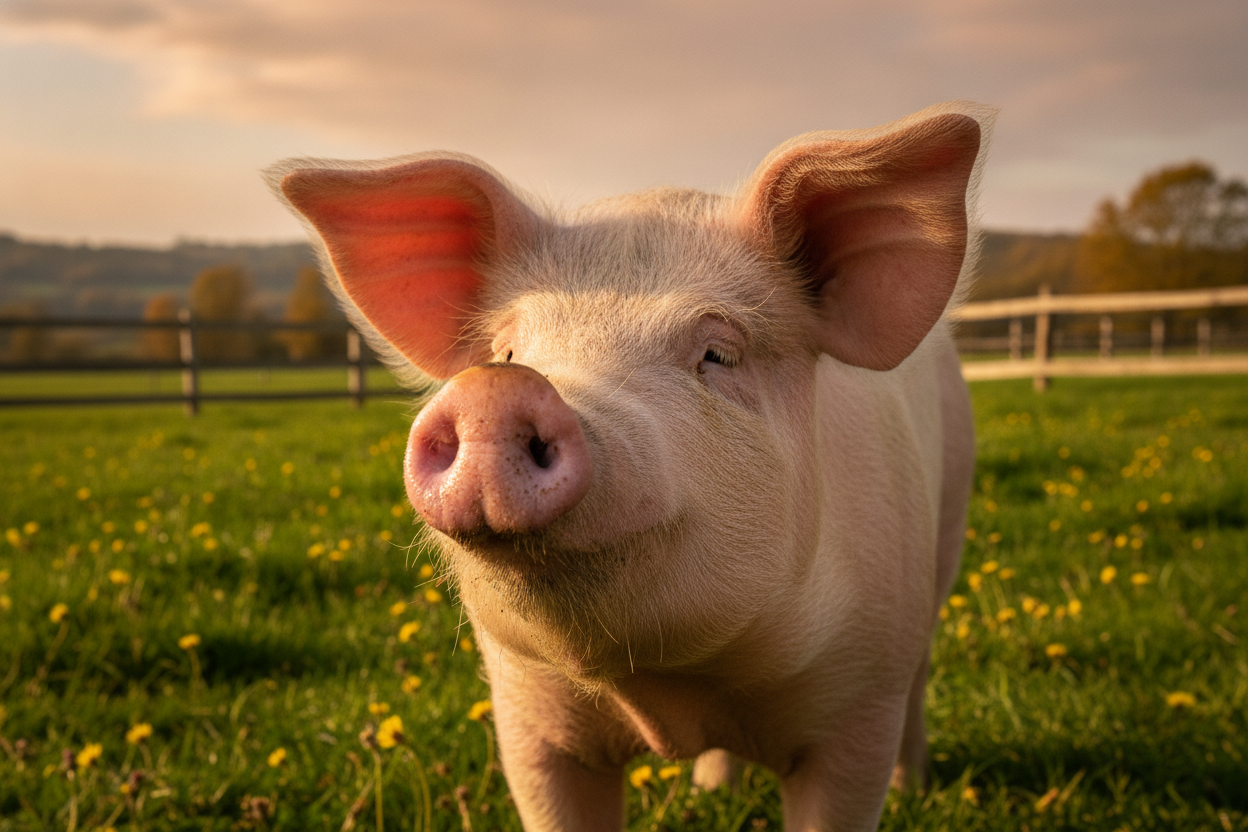
Debate Over Housing for Pregnant Pigs
According to Vox - Загальний: A heated debate is unfolding in the United States over the use of small enclosures for pregnant sows, commonly referred to as gestation crates. Recently introduced, the Save Our Bacon Act seeks to overturn existing bans on this practice in several states. This legislative effort comes amid growing bipartisan opposition to such confinement methods. For context, gestation crates are narrow metal stalls that severely restrict a sow's movement during her four-month pregnancy.
Millions of pigs across the US are kept in gestation crates, a situation that has sparked outrage among animal welfare advocates. In the 2000s, voters in Florida and Arizona approved measures banning these crates. Later, in 2016 and 2018, Massachusetts and California voters backed initiatives prohibiting the sale of pork from animals raised in such conditions. The National Pork Producers Council has filed lawsuits against California and Massachusetts in an attempt to overturn those laws.
Opponents of Gestation Crates
Critics of gestation crates have voiced strong condemnation of the practice.
“These are demonic things,” notes Mike Sernovich.Other detractors, like Tomi Lahren, argue that 'it's outright cruelty.' Nicholas Kristof describes the practice as 'sounds like torture to me,' while Nancy Mace adds, 'It's inhumane.' Veronica Escobar also highlights the negative impact, stating that 'it causes physical problems and psychological suffering.'
The discussion around gestation crates continues to intensify, and the Save Our Bacon Act, which aims to dismantle current bans, could mark a pivotal moment in this contentious issue. The situation underscores the need for ongoing dialogue among lawmakers, producers, and animal rights advocates.
As attention to animal welfare and ethical farming practices grows, the debate over gestation crates becomes increasingly relevant. The clash between animal rights supporters and pork producers may lead to legislative changes that affect not only animal housing conditions but also the broader pork market. It is crucial that all perspectives are considered in this discussion, which could help find compromise solutions and ensure animal well-being.
Read also
- Crimean Tatars Reclaim Their True History: How Valery Vozgrin’s Work Dismantles Russian Myths
- Ukraine's Birth Rate Drops 16%: Deaths Outnumber Births by Three to One in First Half of 2026
- Real Combat Readiness: How the National Guard's 'Scythian' Brigade Trains Its New Recruits
- Poetry, Music, and Remembrance: Honoring Olena Teliha at Babyn Yar
- Population of Donbas Drops by One-Third Over a Decade: Russia's Demographic Devastation
- Two Men Arrested in Poland for Beating a Local Who Defended a Ukrainian Teen