Railway Sabotage in Luhansk by ‘Atesh’ Partisans Halts Russian Ammunition Supplies.

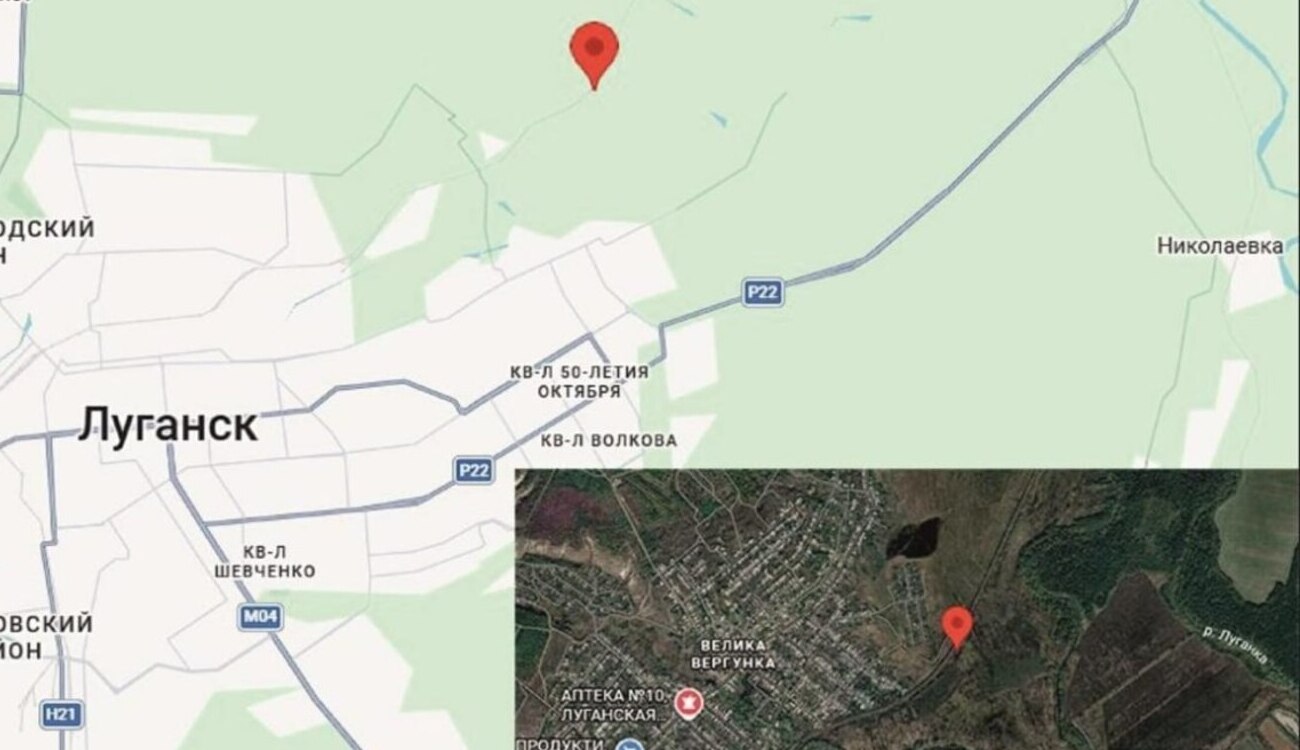
Sabotage Operation Strikes Luhansk Rail Junction
According to UATV: The partisan group ‘Atesh’ has claimed responsibility for a successful attack on a railway junction in Luhansk, effectively crippling the supply of ammunition to Russian forces operating near Kupiansk and Lyman. This act of sabotage destroyed a relay cabinet, dealing a severe blow to the enemy's logistical network.
This critical rail hub was used to transport ammunition, armored vehicle components, and fuel reserves. The operation blocked train movement along a key railway line, significantly disrupting the flow of resources to Russian troops. The attack is part of a broader partisan strategy aimed at undermining enemy logistics in the region.
Escalation of Partisan Activity
In addition, a separate sabotage incident occurred inside the Russian military in occupied Sievierodonetsk, where personnel from the 123rd Separate Artillery Brigade participated in destroying their own equipment. These events highlight a major escalation in partisan operations across Luhansk Oblast and demonstrate their growing capacity to degrade the enemy's military capabilities.
Such partisan actions underscore rising tensions in the region and actively hinder Russian logistical operations. The paralysis of ammunition supply lines could become a decisive factor in future combat, limiting the enemy's operational flexibility. These coordinated strikes also reveal the organization and determination of the partisan movement, potentially shifting the balance of power in the area.
Read also
- Military Leadership Shake-Up: Venislavsky Clarifies Division of Responsibilities
- Baku Hosted Secret Germany-Russia Talks, Sparking Protest from Azerbaijan's Aliyev
- Russian Men of Draft Age Urged to Leave the Country by Fall as Kremlin Plans to Call Up 500,000
- Corps Commanders Join Zelenskyy in Discussing the Situation Around Sloviansk
- Zelensky Holds Strategic Briefing with Corps Commanders: Key Topics Revealed
- Hungarian prosecutors search Fidesz party headquarters over €47 million fund distribution probe