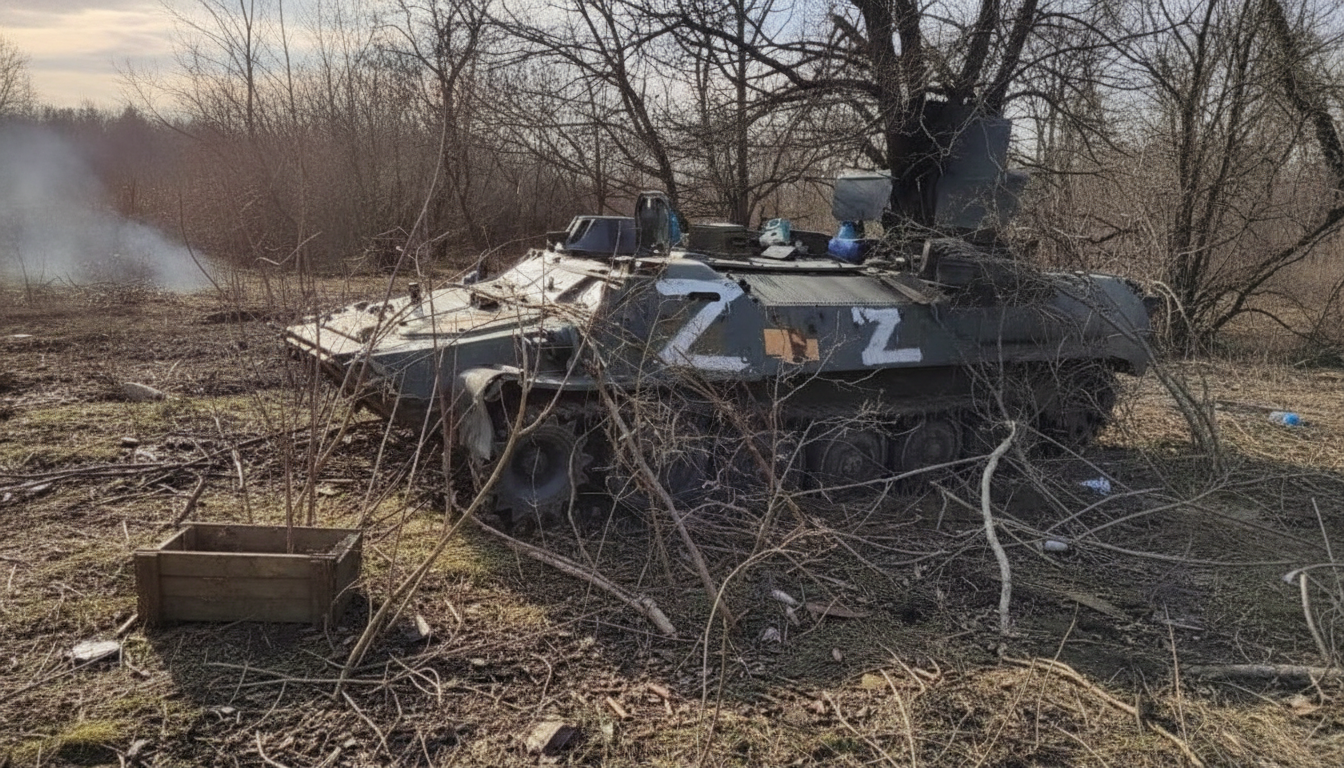
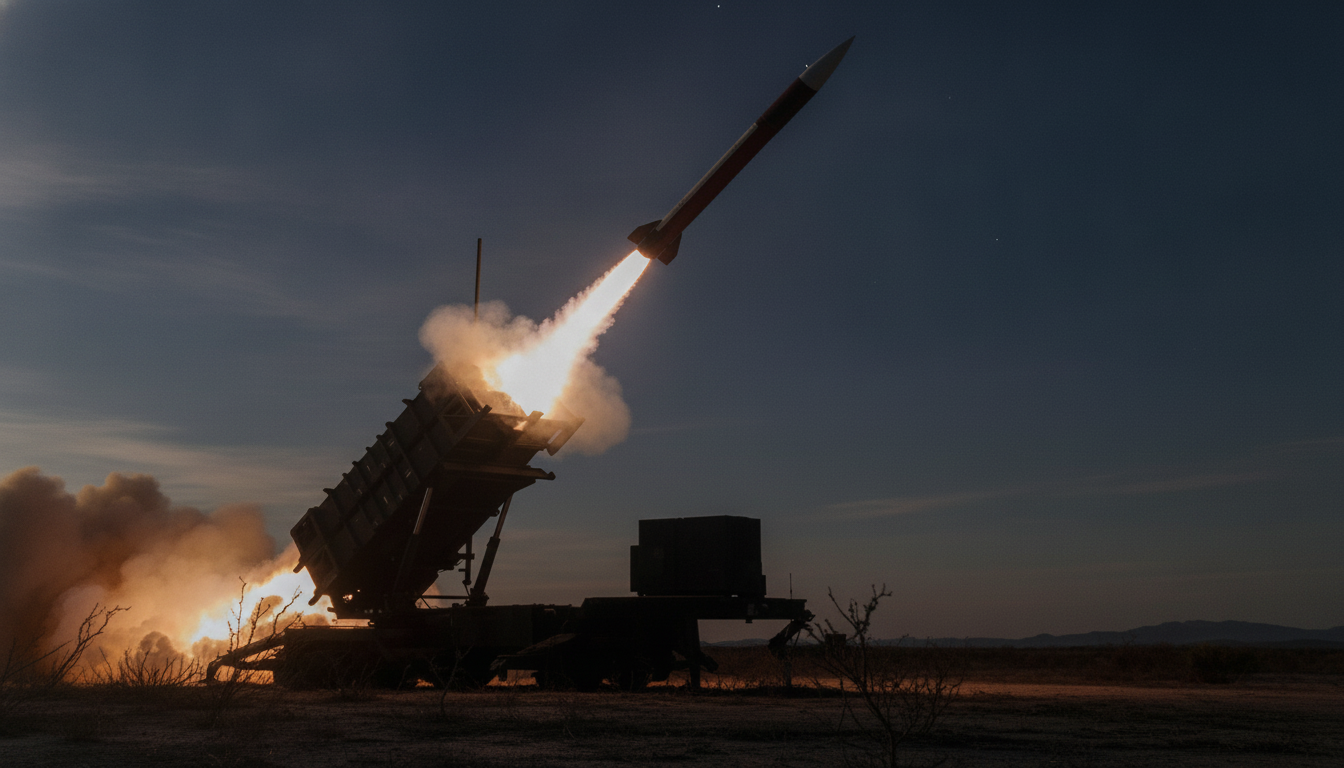
Ukrainian Partisans Disable Russian Electronic Warfare Tower Near Sevastopol.

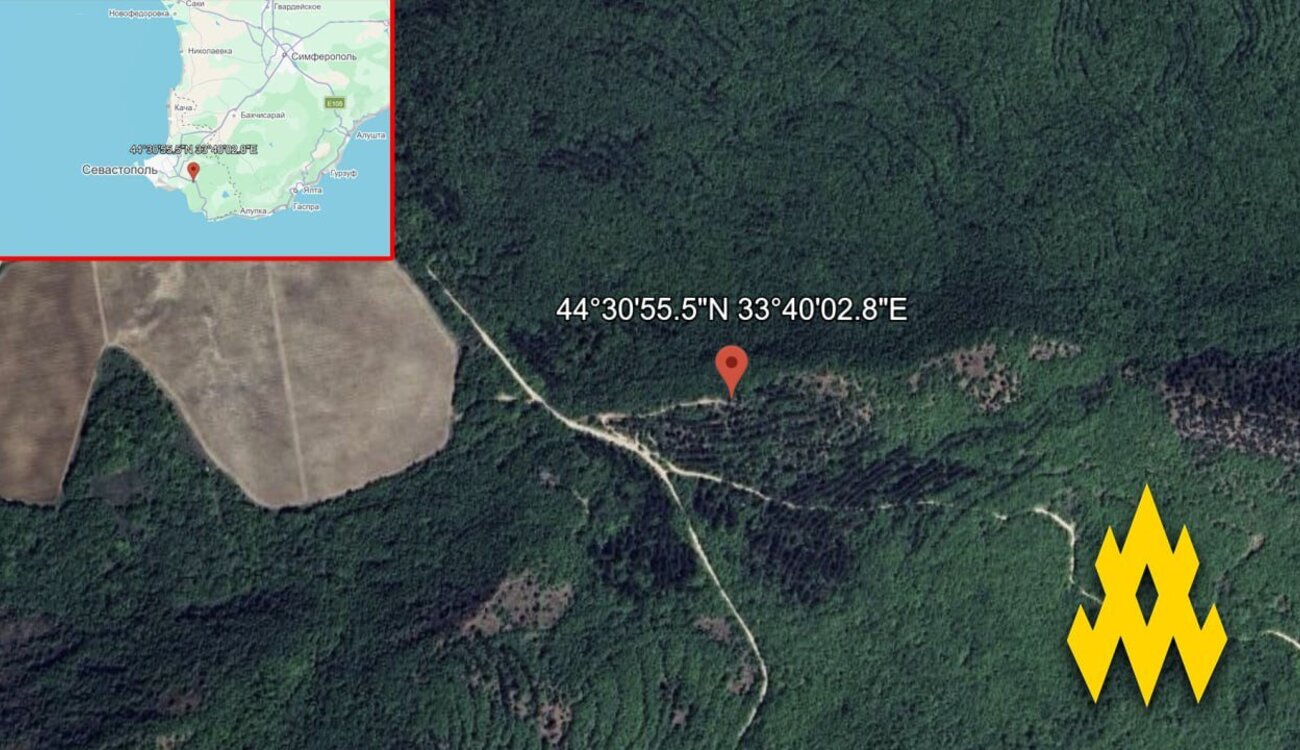
Partisan Sabotage Operation
According to UATV: In a covert operation, the Ukrainian partisan group 'Atesh' has sabotaged a communications facility located on a tower near the village of Goncharnoye, close to Sevastopol. Russian occupying forces had installed antennas for electronic warfare (EW) systems on this structure, which were actively jamming Ukrainian drone signals. The partisans' actions have resulted in the complete shutdown of the EW system's operations in the area.
The decisive blow was struck when the partisans set fire to relay cabinets at the base of the tower. A representative from the 'Atesh' movement stated:
“This tower was equipped with EW antennas that were creating interference for our drones.”This act of sabotage has effectively cleared an air corridor, now enabling Ukraine's Defense Forces to deploy their unmanned aerial vehicles more effectively, a development that could significantly alter the operational landscape in the region. Such partisan activities highlight the persistent internal resistance within occupied territories.
Regional Military Context
This incident occurs against a backdrop of escalating military activity in and around Crimea, including:
- Ukrainian Armed Forces destroying Russian 'Triumph' and 'Pantsir' missile systems on the peninsula.
- The discovery of a new concealed depot at the Russian Black Sea Fleet base in Novorossiysk, indicating a ramp-up in combat preparations.
The 'Atesh' sabotage underscores the growing intensity of Ukrainian resistance against the Russian occupation, particularly in the critical domain of drone warfare. It also reflects the pivotal importance of controlling EW systems, which can dictate the effectiveness of modern military operations. These events point to a sharpening conflict in the Black Sea region, demanding continued close observation from the international community.
Read also
- Five Fuel Trucks Destroyed in Ukrainian Strike on Russian Military Convoy in Luhansk
- Ukraine's Defense Forces Eliminate 1,410 Invaders and a Russian Jet in a Single Day: Updated Enemy Losses
- U.S. Probes Alleged Russian Aid to Iran in Attacks on CIA Facilities
- What Russia's Sabotage Units Are Really After in Northern Ukraine: Bratchuk Reveals the Enemy's Key Objective
- Rubio Reports Weekly Russian Losses: 5,000–6,000 Killed and Wounded
- 26 NATO Members Join PURL Initiative, Raising $6.7 Billion for Ukraine's Armed Forces