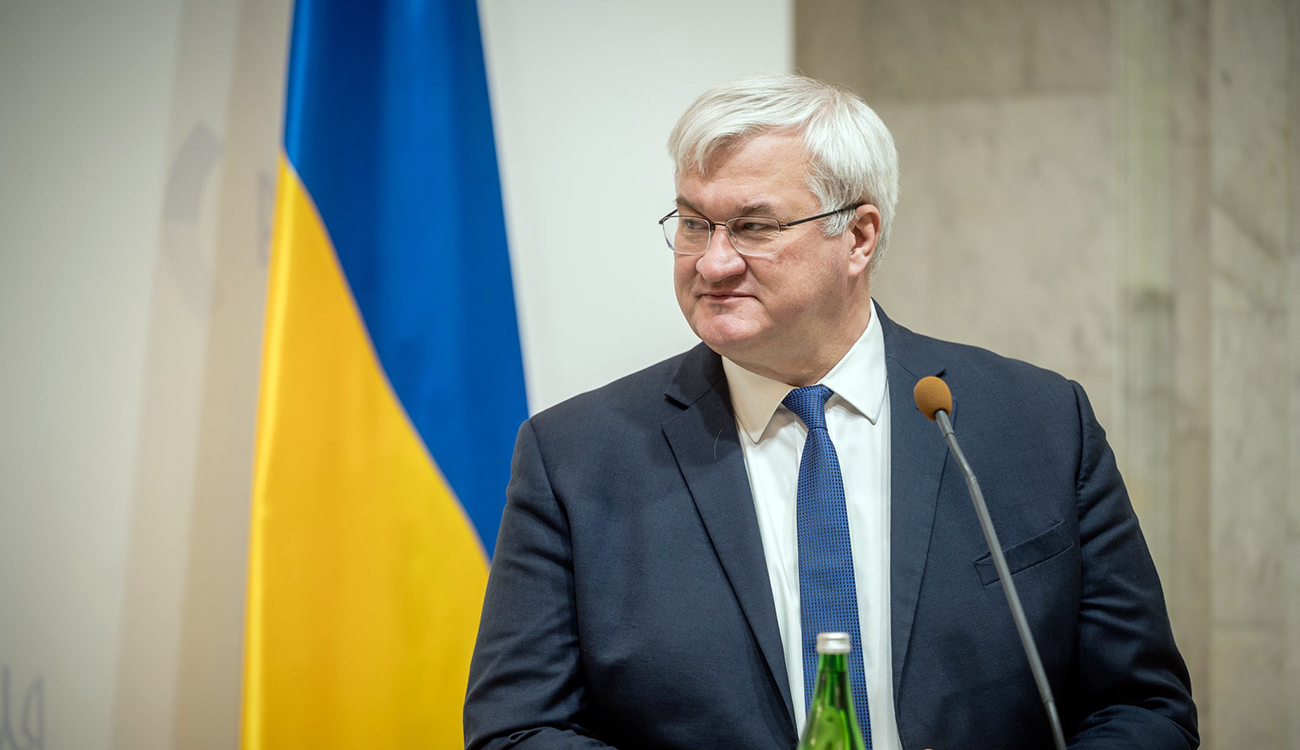
Abu Dhabi Talks Fail to Deliver Peace: Russia's Unwillingness to Address Core Issues.


Outcomes and Implications of the Abu Dhabi Negotiations
According to TSN.ua: Held on February 4–5, 2023, talks in Abu Dhabi involving Ukraine, Russia, and the United States failed to produce a genuine path to peace. This outcome stems from Russia's apparent lack of intent to resolve the underlying political disputes. A prisoner exchange did occur during the meetings, with 157 individuals swapped by each side. This marked the 71st such exchange since the full-scale war began. However, as expert Mick Ryan noted,
"A prisoner swap is a good thing, but it is by no means a result of these specific talks."
While further talks are planned for the United States, the overall situation indicates that concrete steps toward peace remain undefined. Russia's ongoing actions, which include:
- continued offensive operations along the front line,
- massive strikes targeting Ukrainian civilian infrastructure,
- and deepening military and economic cooperation with China, Iran, and North Korea,
demonstrate a lack of interest in conflict resolution. This pattern, alongside a cognitive war against the West employing intimidation and disinformation, underscores Moscow's current posture. The war in Ukraine has become a protracted conflict, testing the resilience of international alliances.
Mick Ryan also emphasized that
"Security guarantees, real guarantees that actually commit allies to assist in the event of a future Russian attack on Ukraine, are necessary."In light of Russia's behavior, analysis suggests a clear absence of intent to solve existing political problems, casting serious doubt on the potential effectiveness of future negotiations.
Conclusions and Future Outlook
The Abu Dhabi negotiations highlight the entrenched complexity of the situation in eastern Ukraine, where Russian actions show no readiness for compromise. Despite prisoner exchanges, which can be perceived as a positive humanitarian step, the lack of genuine effort toward a political settlement indicates the war is likely to continue. For the West, this represents a sustained challenge to European security and the rules-based international order. Upcoming talks in the United States may constitute an important diplomatic stage, but their success will hinge entirely on the willingness of all parties, particularly Russia, to engage in constructive dialogue and make tangible concessions.
Read also
- NATO Holds Its First-Ever Meeting in Kyiv: Key Decisions on Air Defense for Ukraine
- Swedish Court Orders First-Ever Vessel Seizure at Ukraine’s Request: Key Details
- Hungary Lifts Block on Ukraine’s EU Path: What the New Prime Minister Madyar Promised
- Ukraine’s Foreign Minister Thanks Cyprus for EU Accession Cluster, Announces New Chapter with Hungary
- Mandatory Subjects for Ukraine's 2027 University Entrance Exam: Government Bill Reveals Key Details
- Poland's Failure to Grasp Ukraine's Suffering: Historical Missteps Repeating Themselves