Pyongyang Metro: The World's Deepest and Most Secretive Subway Now Has All 17 Stations Open.

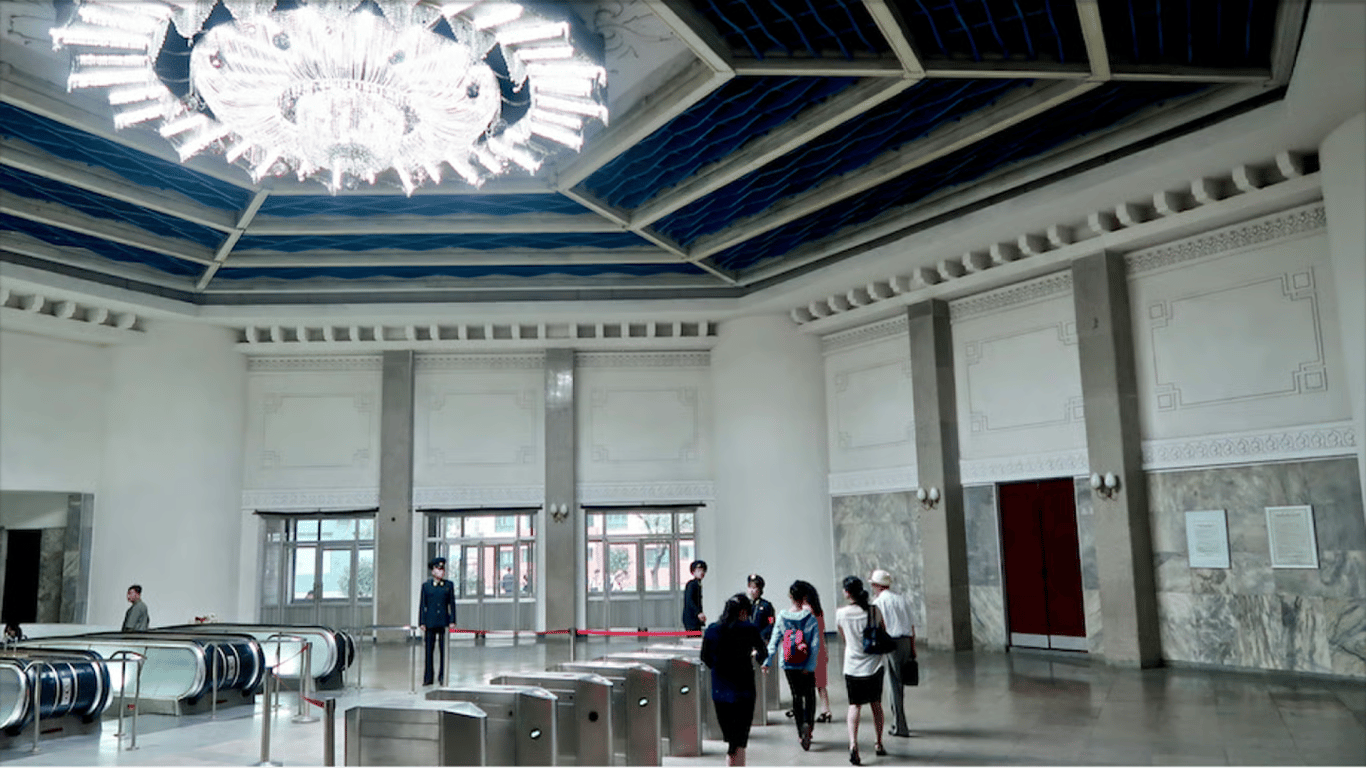
The Planet's Most Mysterious Subway System
According to Novyny.live: Home to the deepest and most secretive metro on Earth, Pyongyang's subway system began carrying passengers on September 9, 1973, and today features 17 operational stations. Spanning a total of 22 kilometers, the network consists of two lines: the Chollima Line, which runs north to south, and the Hyoksin Line, which travels east to west. For context, this metro is not just a transit system but a rare glimpse into North Korea's tightly controlled infrastructure.
These stations sit approximately 100 to 120 meters below ground, making them some of the deepest in the world. A single ride costs 100 North Korean won—equivalent to roughly 3 Ukrainian hryvnias, $0.07 USD, or €0.062. Until 2014, only two stations were accessible to passengers, but now all 17 are open for public use. However, depots, service areas, and certain connecting passages remain off-limits to visitors, preserving much of the system's secrecy.
The Pyongyang Metro continues to be one of the least studied and most enigmatic transport networks globally, sparking curiosity among researchers and tourists alike. Its deep tunnels and restricted access underscore the country's isolationist policies and tight information control.
A Symbol of Technological Ambition
Beyond serving as a key piece of urban transit, the Pyongyang Metro stands as a symbol of North Korea's technological aspirations. Its extreme depth and limited public access highlight the nation's insular nature and strict oversight of information. The gradual opening of stations up to 2014 may hint at shifts in government policy regarding infrastructure access for citizens, even as many areas remain closed to ordinary people. This is especially significant given the country's severe restrictions on movement and daily life, offering a rare window into how the regime manages public resources.
Read also
- Wizz Air Updates Check-In Rules: Key Details Travelers Need Before Departure
- New ETIAS System to Charge Ukrainians for EU Entry: Launch Set for Late 2026
- Fourth-Century Byzantine City with Rare Church and Coins Unearthed in Egypt
- How a Giraffe Gifted to Paris by Egypt’s Viceroy Transformed European Fashion
- Drivers from Odesa Region Should Inspect Vehicle Roadworthiness Before Traveling to Romania
- July 6 in Odesa: Air Temperatures to Reach 28°C, Sea Water Warms to 23°C