Poland’s Surprise Move on Ukraine: How the Election Campaign Shifts the Dynamic.

Political Tensions Between Ukraine and Poland
According to Espreso.tv: Political frictions between Ukraine and Poland are intensifying as Poland’s election campaign, which kicked off unusually early, takes center stage. The Ukrainian question has become a major focus of this campaign, highlighting how deeply Ukraine-related issues resonate in Poland’s domestic politics—and how this could reshape bilateral ties.
Looking back, a key decision in the 1980s led Poles to stop viewing Galicia and Western Belarus as part of their national narrative. This shift fundamentally altered the historical perception and relationship between Ukraine and Poland. Now, amid current political events, these historical threads are resurfacing. For Ukraine, the elections in Poland—much like those in Germany—are seen as pivotal, with the potential to steer the future policies of both neighboring countries.
Current Political Developments
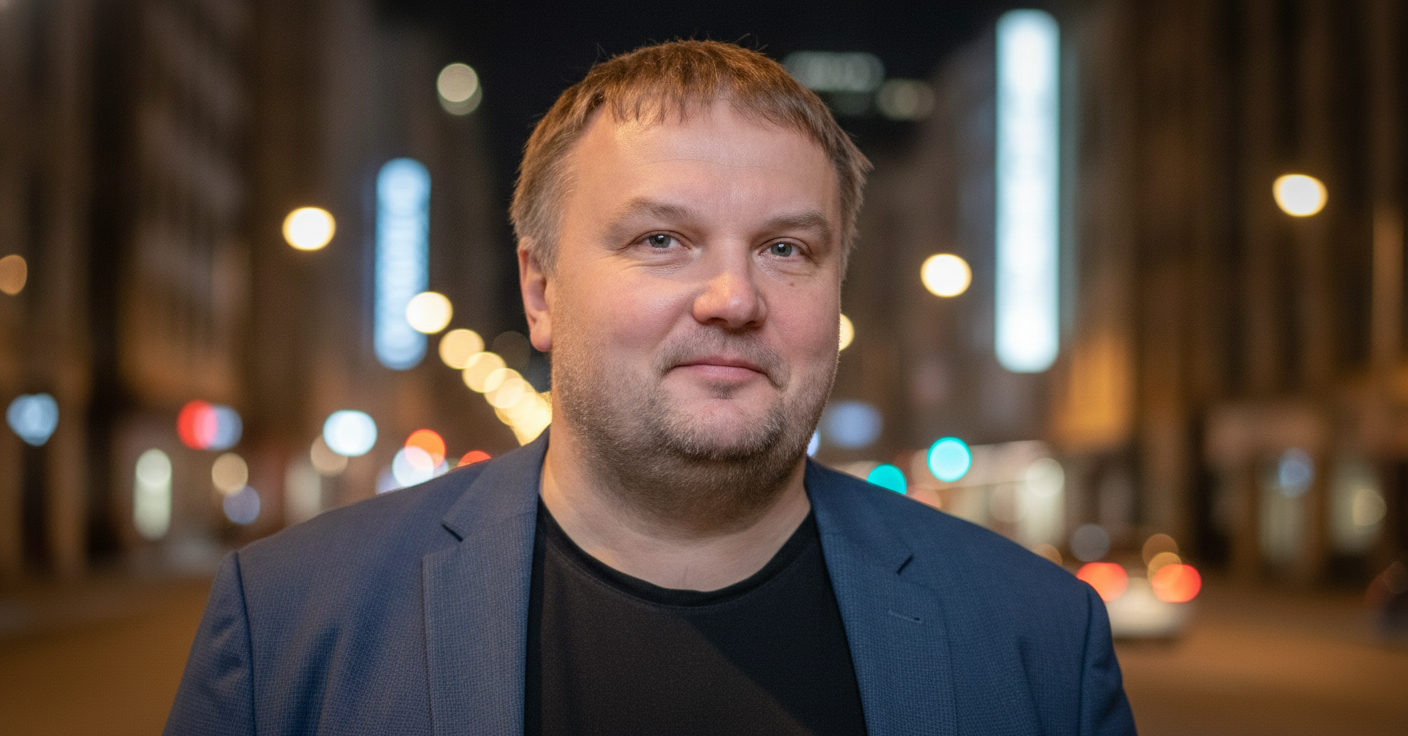
A recent presidential-level decision to return certain orders signals Poland’s intent to bolster its standing in international politics and address historical grievances. Vadym Denysenko weighs in on these developments, stating:
“I’m almost certain that Tusk will countersign Nawrocki’s decision regarding the order.” - Vadym Denysenko
This underscores how political choices at the highest level could significantly impact state-to-state relations.
Denysenko further notes:
“Everything we’re seeing now is just a prelude to an extremely challenging election year.” - Vadym Denysenko
This suggests that political shifts in Poland may act as a catalyst for new challenges and threats facing Ukraine and its Western neighbors. Amid growing tensions, maintaining diplomatic dialogue and seeking avenues for cooperation are critical to avoiding conflict and ensuring regional stability.
The Ukraine-Poland dynamic matters not only for bilateral relations but also for broader European security. Poland’s elections could substantially alter its foreign policy direction, and by extension, its support for Ukraine’s fight for territorial integrity and European integration. Both countries must sustain constructive dialogue, navigating both historical and contemporary challenges that could arise in their relationship.
Read also
- Russia's Nuclear Deterrence System Has Been Broken: What This Means for Ukraine
- Trump sparks Kremlin confusion as Peskov and Zakharova contradict each other
- France and Poland Launch Nuclear Security Group: What It Signals for NATO
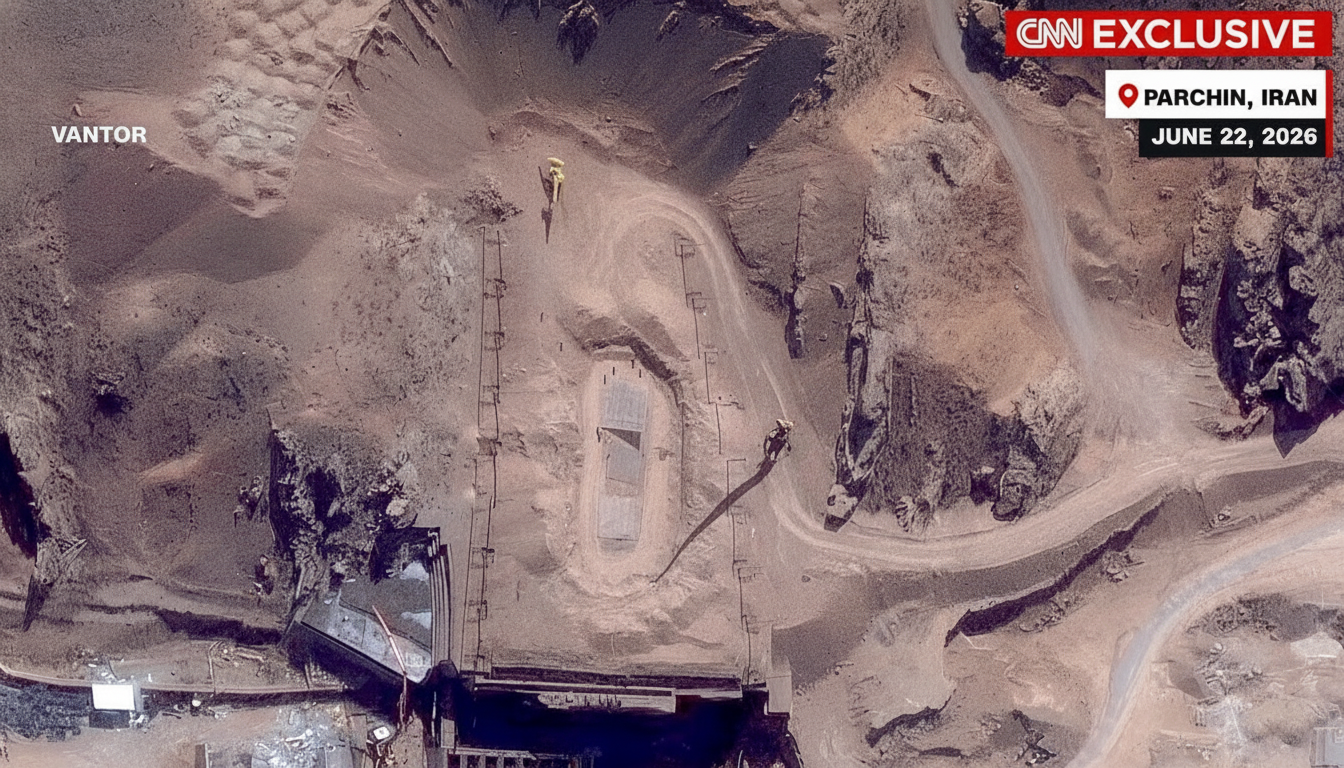
- Satellite Imagery Reveals Iran Reactivating Nuclear Sites After US Deal
- Nearly $3 Million Paid: U.S. Issues First Compensation for 'Havana Syndrome' Victims
- Russia’s Strategic Position Deteriorates as Ukraine Intensifies Counteroffensives: Frontline Analysis