Former Polish PM Slams Ukraine’s Pantheon Law, Calling Ukrainians ‘Moscow Rags’.

Controversy Surrounds Ukraine’s National Pantheon Bill
According to Espreso.tv: A heated debate is unfolding in Ukraine over a proposed law establishing a National Pantheon, drawing sharp reactions from political figures both inside and outside the country. The legislation has particularly stirred tensions with Poland, as former Polish Prime Minister Leszek Miller made inflammatory remarks comparing Ukrainians to a 'Moscow rag' and a 'Bandera diaper.' These comments highlight the deep historical and political frictions between the two neighboring nations, especially regarding national identity and memory.
Ukrainian Lawmakers Weigh In
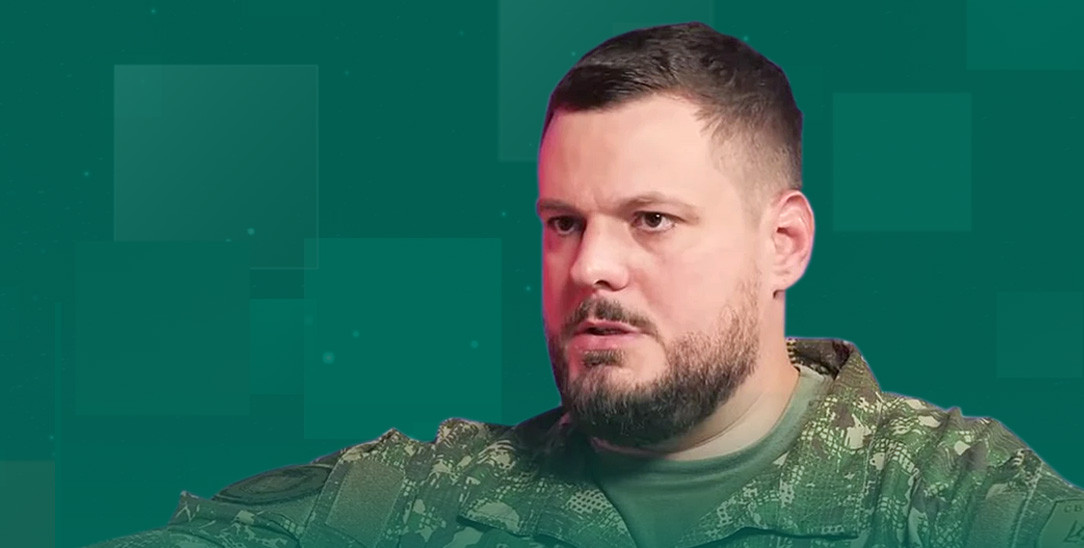
Andriy Illienko, a Ukrainian politician, public figure, and former member of parliament in the 7th and 8th convocations, has also entered the fray. His stance and public comments on the Pantheon bill could play a significant role in shaping the ongoing debate and influencing public opinion within Ukraine.
Ultimately, the controversy over the National Pantheon law underscores the complex and often strained relationship between Ukraine and Poland. Leszek Miller’s outburst reflects the views of some Polish politicians who remain critical of Ukrainian historical narratives, particularly those tied to nationalist figures. The discussion also touches on broader questions of how post-Soviet states define their heritage and reconcile painful chapters of the past.
'Moscow rag' and 'Bandera diaper' — that is how Leszek Miller described Ukrainians.
The debate over the National Pantheon bill represents a pivotal moment for Ukraine as it seeks to solidify its national identity and official memory. The strong reaction from Polish politicians shows that issues of historical symbolism continue to be a flashpoint in bilateral relations. Meanwhile, the involvement of Ukrainian figures like Andriy Illienko suggests that the law’s fate will be shaped by both domestic political dynamics and external pressures.
Read also
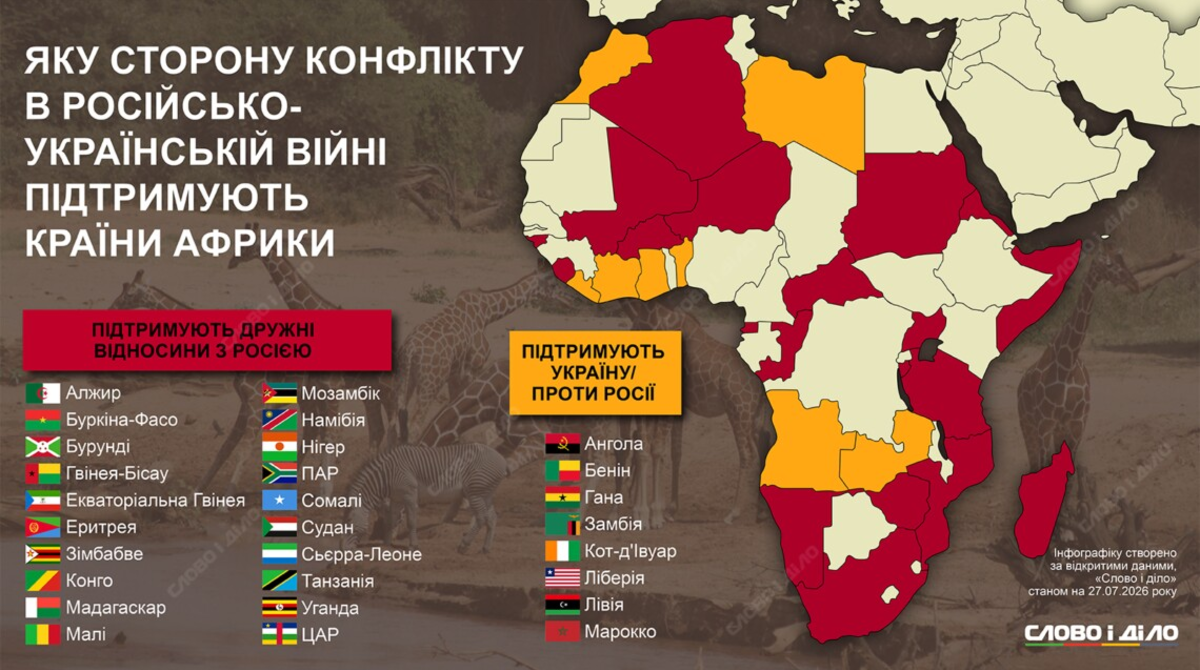
- Russia Counts 20 Friendly African States, but Just 8 Support Ukraine
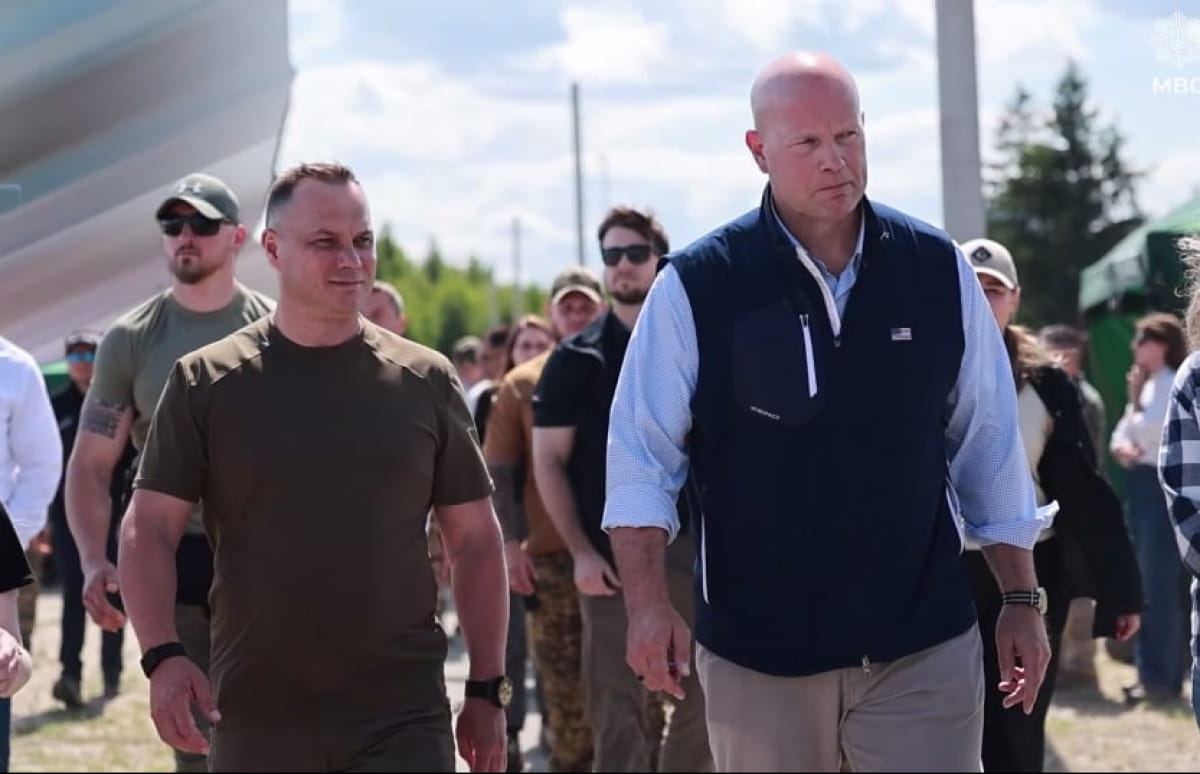
- New Details on Interceptor Drones Emerge After U.S. NATO Ambassador Visits Ukrainian National Guard
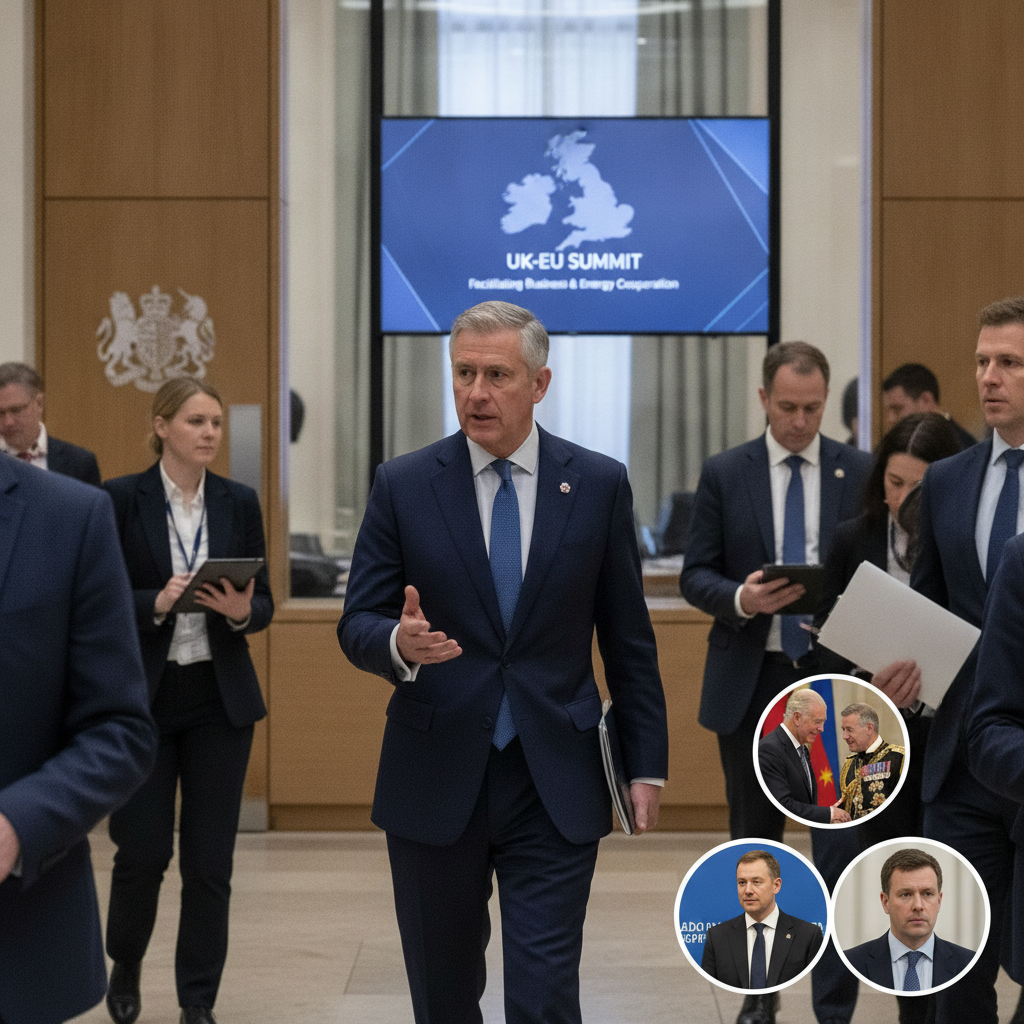
- Summit with EU Postponed as UK Gets New Prime Minister; Minister Drafts Fresh Business Deals
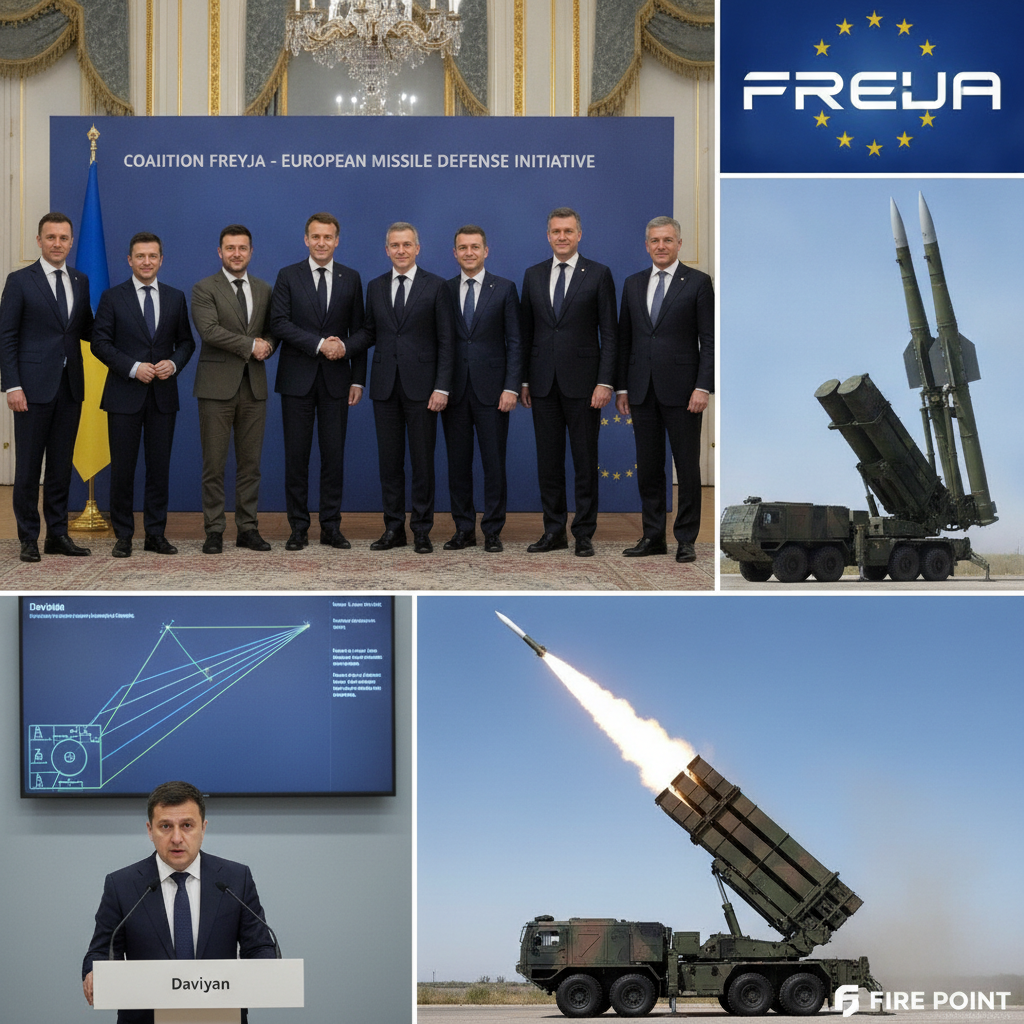
- Next Year Set to Deliver First Milestones as Ukraine Partners in Europe’s FREYJA Missile Defense Project
- Greece's Blockade of the 21st Russia Sanctions Package Forces EU to Rethink Strategy with Thematic Groups
- New UK-Ukraine agreement on joint weapons manufacturing: implications for regional defense