New Global Conflicts Loom, Israel’s Ambassador Warns—What It Means for Ukraine.

Rising Alarm Over Global Instability
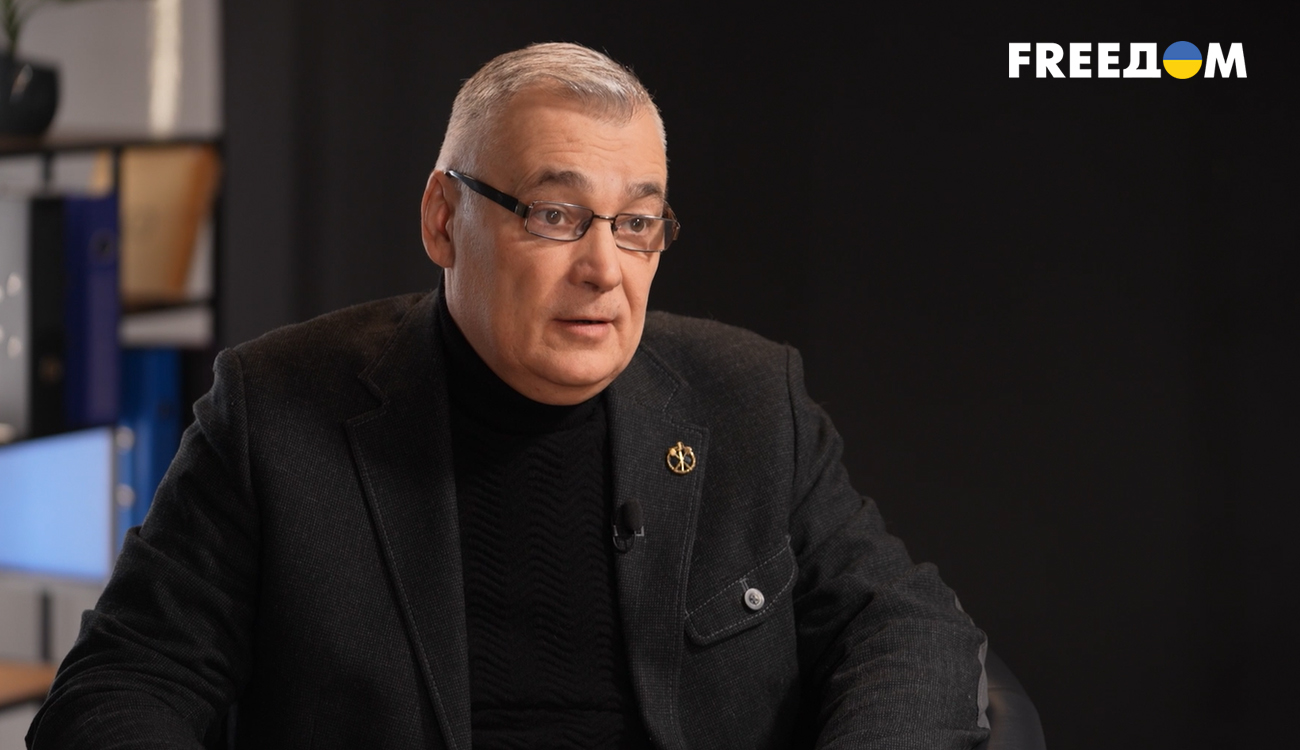
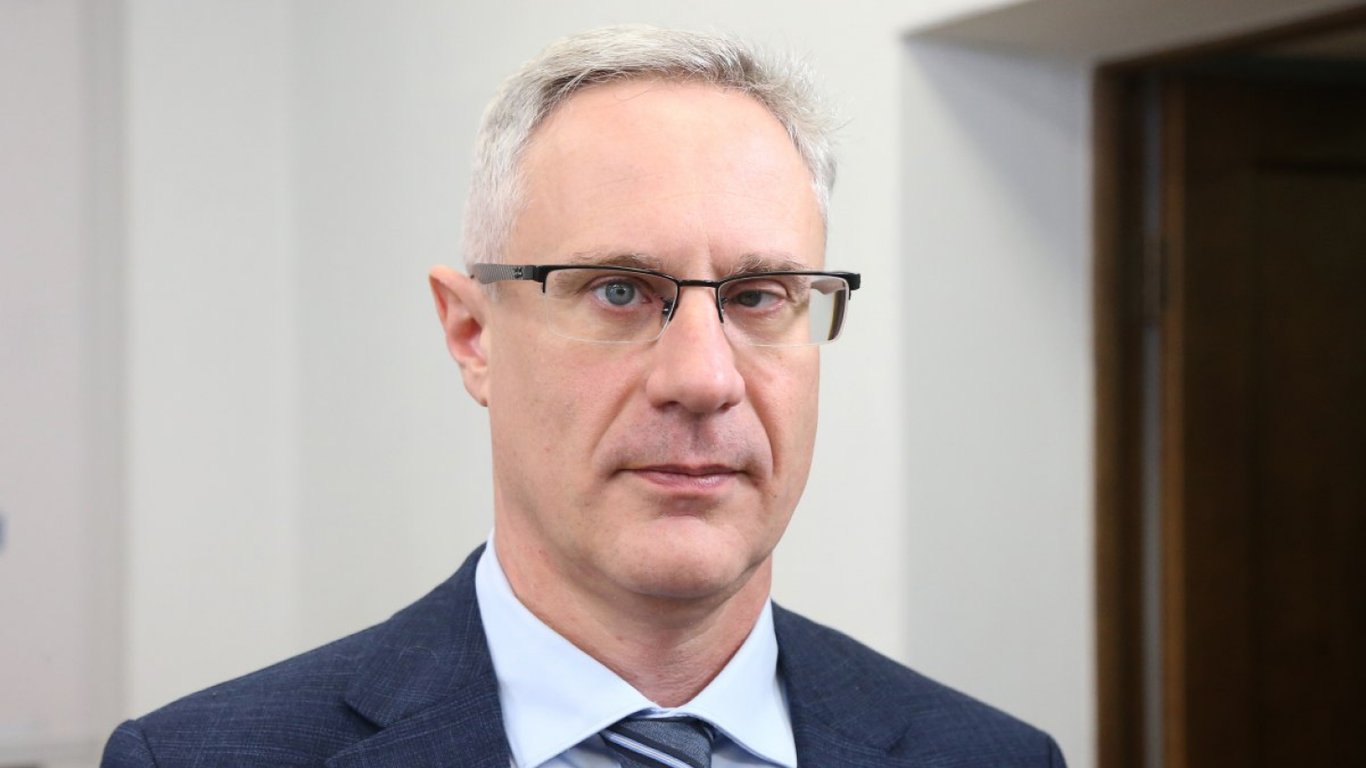
According to Novyny.live: In an interview with Novyny.LIVE, Israel’s Ambassador to Ukraine, Michael Brodsky, voiced serious concerns about the potential emergence of new conflict zones worldwide. He cautioned that official statements from politicians often mask their true intentions. According to Brodsky, the global situation is likely to deteriorate further, with fresh hotspots of tension potentially igniting.
Brodsky pointed to intensifying international political rivalry—particularly between the United States and China—as a key factor reshaping Europe’s geopolitical landscape. He identified several possible flashpoints that could erupt into open war, expressing deep unease about the consequences for global security:
“There are still several potential war hotspots that could also open up. And I don’t know what threat this poses to us.” — Michael Brodsky
Iran’s Role in Shaping Global Dynamics
Notably, Iran has strengthened its cooperation with both Russia and China, a development that could further destabilize the international order. Ebrahim Azizi, head of Iran’s parliamentary National Security Commission, stated that Ukraine could be considered a legitimate target for attacks if it continues to support Israel. This remark underscores the mounting tensions in international relations and reinforces Brodsky’s warnings about the risk of new conflicts.
Brodsky also dismissed conspiracy theories surrounding these developments:
“I’m not a big fan of conspiracy theories. So I think, you know, as one person I respect once said, if there’s a simple explanation, there’s no need to look for a complicated one.” — Michael Brodsky
Brodsky’s statements reflect growing anxiety within international politics, particularly regarding conflicts that could emerge amid global strain. Iran’s alignment with Russia and China highlights the urgency of these concerns, as these nations may become sources of new challenges to regional stability. Ukraine’s position—especially its relationship with Israel—could have serious repercussions for security across Europe and beyond.
Read also
- Meeting in Qatar to Address Strait of Hormuz: U.S. and Iran Agree to Halt Hostilities
- On Constitution Day, Biletskyi Highlights Ukrainians' Primary Duty
- How Ukraine’s Constitution Was Adopted on June 28, 1996, and What It Changed
- Crimea No Longer Functions as Russia's Logistics Hub: How Supply Chains for Occupying Forces Are Breaking Down
- Kyiv Pechersk Lavra’s Millennium Celebrations Get Official Go-Ahead from President Zelenskyy
- Crimea Ablaze: Ukraine Intensifies Pressure to Make Russia's Occupation Unbearable