PrivatBank's 2026 Fee Changes: How to Save on Utility Bills.

PrivatBank's 2026 Fee Changes: How to Save on Utility Bills
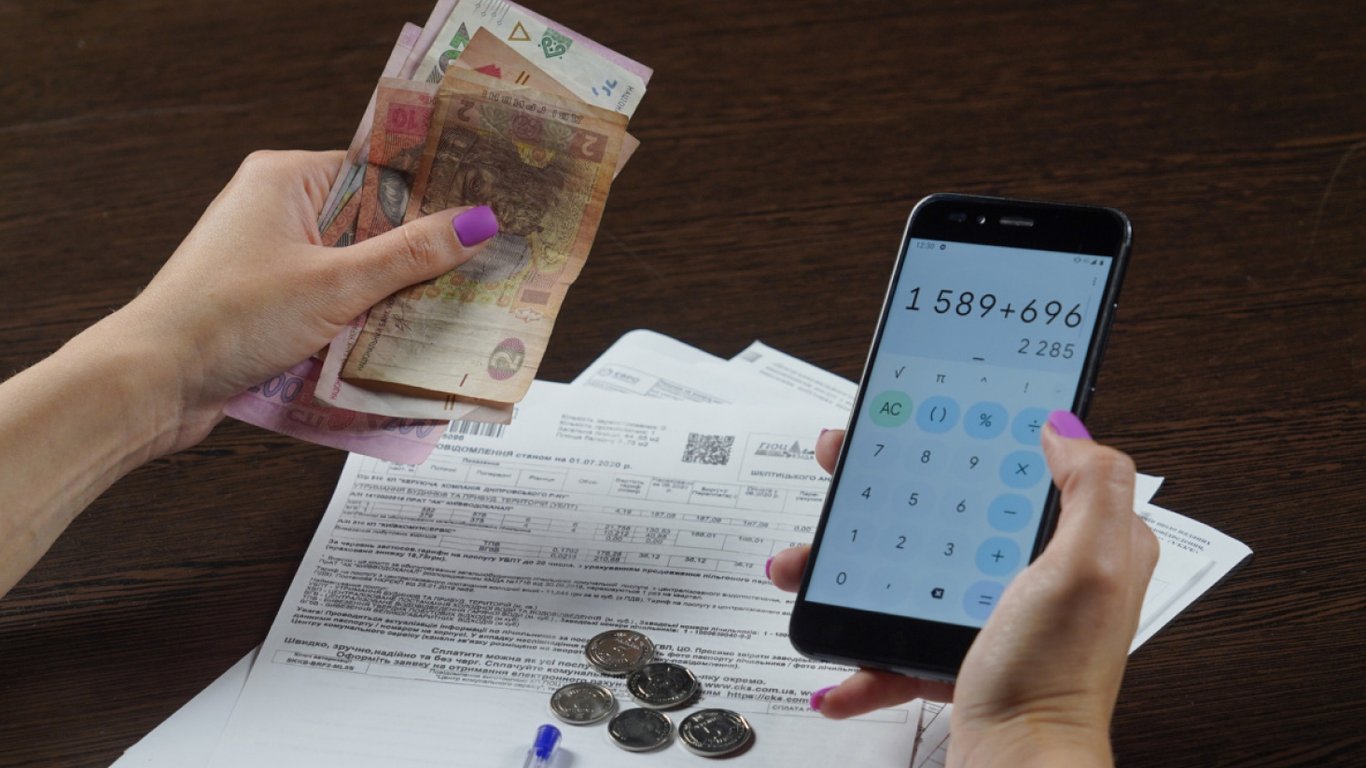
According to Novyny.live: PrivatBank is introducing new fee structures for utility payments in 2026, offering customers a chance to save money by using the bank's digital services. These changes will reduce costs for those who pay their housing and communal service bills through specific channels.
Starting in 2026, PrivatBank's utility payment tariffs will include a zero-commission option for transfers made via the Privat24 app or Autopayments from a 'Card for Payments,' applicable for monthly amounts up to 5,000 hryvnias and a maximum of 15 transactions. This creates favorable conditions for customers who regularly use the bank's digital tools to manage their utility expenses.
Customers can also pay via the short number 3700, where the commission is the same as for an in-branch cash desk payment. However, an additional 1% fee applies for payments made with cards from other banks. For clients who are not fully identified, the commission at a bank cash desk will be:
- Up to 1,000 hryvnias — 15 hryvnias,
- For payments from 1,000 hryvnias — 1% (minimum 15 hryvnias, maximum 200 hryvnias).
Utility services can be paid through the following channels:
- The official 'Privat24' portal,
- The 'Privat24' app for Android and iOS,
- Self-service terminals,
- The contact number 3700.
These options provide convenience and accessibility for users looking to manage their finances efficiently. This move aligns with a broader shift towards digital financial services in Ukraine, helping users save both money and time.
These tariff adjustments for utility payments reflect a wider trend of financial service digitalization in Ukraine, enabling users to save funds and time.
Given the growing popularity of online services, such initiatives may encourage more customers to choose electronic payment methods for their utility expenses. This could, in turn, positively impact overall payment discipline among the population. For many Ukrainians, managing household expenses digitally has become a practical necessity amidst ongoing economic shifts.
Read also
- New U.S. Tariffs Hit 60 Nations: Here Are the Rates for the EU and Russia
- Russia’s Oil and Gas Revenue Set to Surge by 60%—Here’s What’s Driving the Jump
- IMF Disburses $690 Million Second Tranche to Ukraine: Where the Funds Are Going
- Russia’s Budget Deficit Could Hit 7 Trillion Rubles—What Are the Default Risks?
- Expert Sets Critical Threshold: 60% of Russia's Oil Refining Capacity Must Be Destroyed
- Russia Faces Imminent Fuel Crisis: Why Refinery Recovery Is Nearly Impossible, Expert Warns