Georgia’s Protest Movement Nears 600 Days: What Demonstrators Have Achieved.

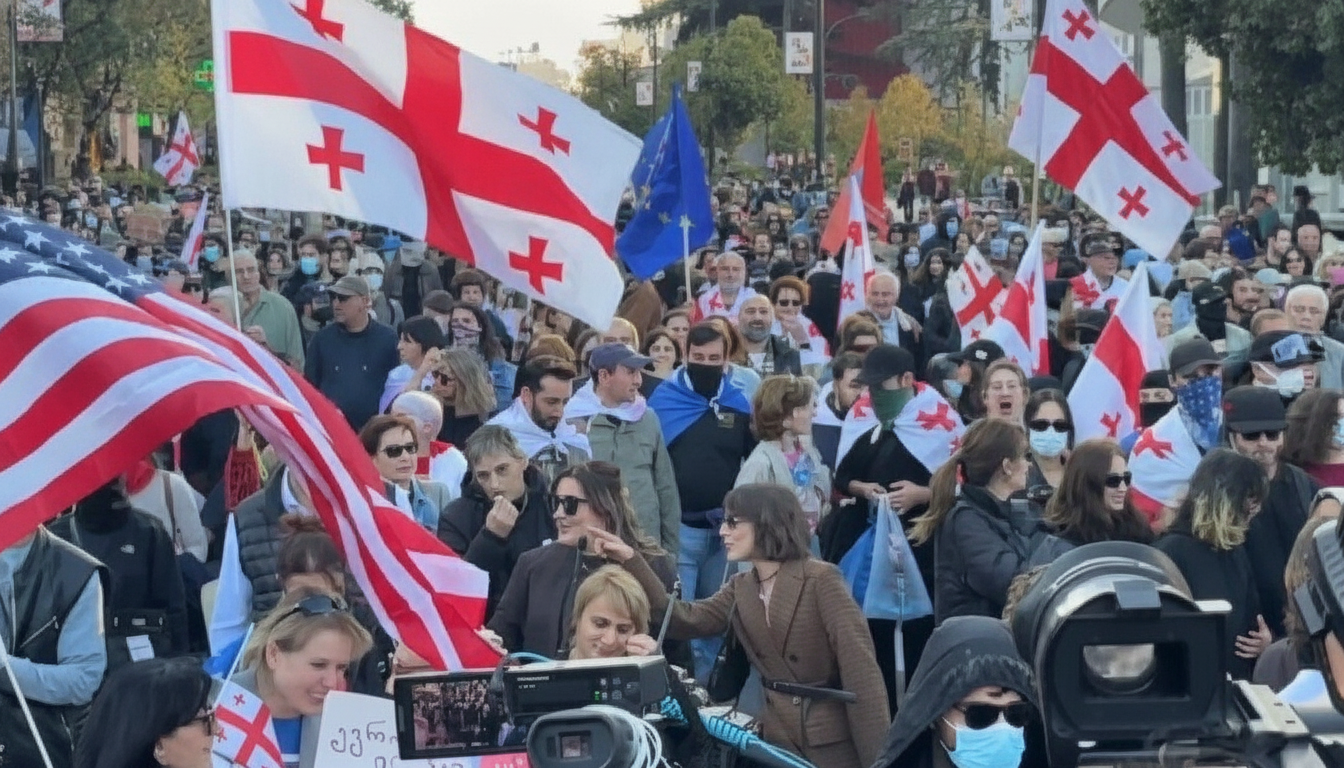
Georgia’s Protests: Duration and Activity
According to Novyny.live: Despite mounting government pressure, protests in Georgia have continued for more than a year and a half. The movement now faces increasing restrictions, with participants hit by fines, job losses, and jail sentences. For nearly 600 days, citizens have voiced their opposition to the government’s actions, only to meet with harsh crackdowns.
Salome Zourabichvili, Georgia’s fifth president, stated: 'The protests are ongoing. They take different forms and occur in different places.'
This shows that, repression notwithstanding, the protest movement remains alive. Demonstrators have been subjected to various penalties including fines, dismissals from work, and even imprisonment. Many see these measures as an attempt by the authorities to silence dissent.
It is important to note that protest cannot be measured by crowd size alone, but rather by its resilience and longevity, as Zourabichvili emphasized. This suggests that despite the challenges, Georgian society is demonstrating endurance and a willingness to keep fighting for its rights.
International Support and Democratic Values
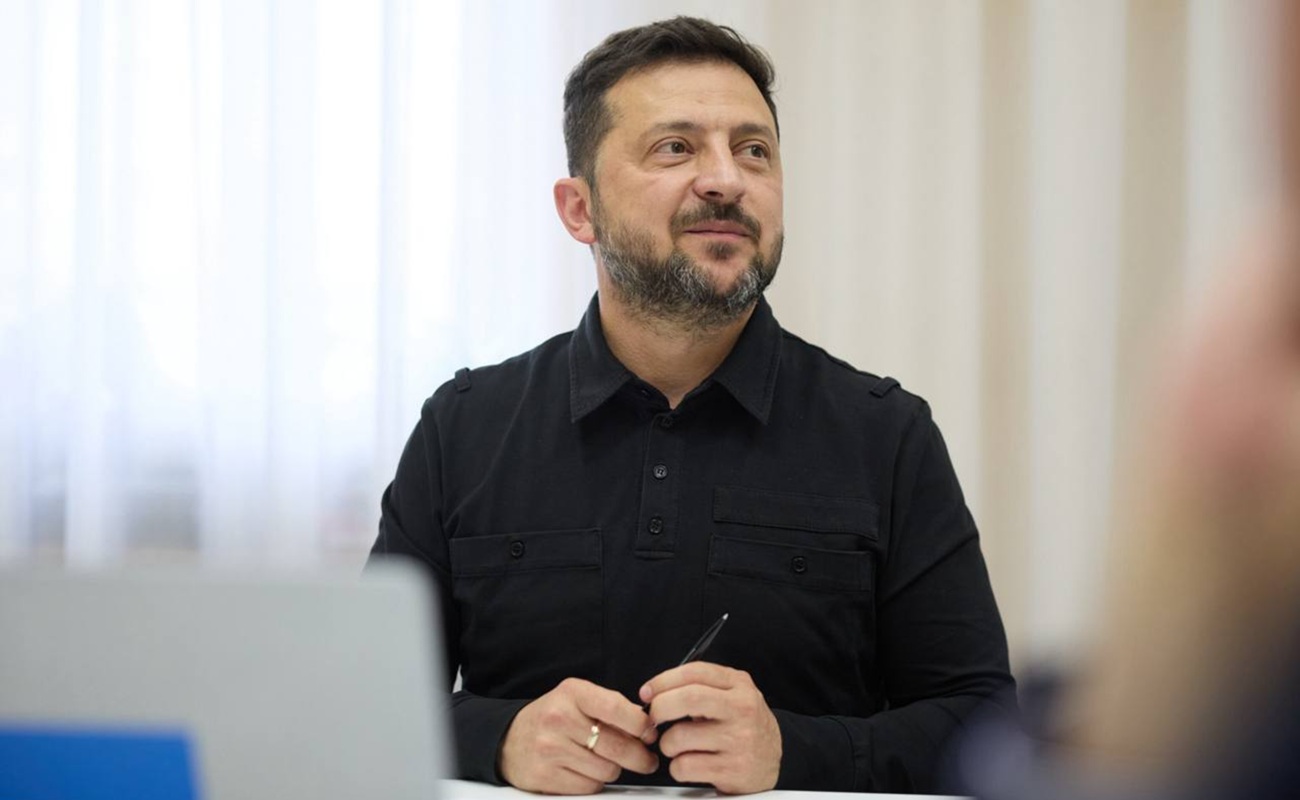
Former Georgian President Mikheil Saakashvili addressed an open letter to Volodymyr Zelenskyy, urging support for democratic values in the country. This appeal underscores the importance of international attention on Georgia’s situation and human rights record.
Despite the obstacles, Georgia’s protest movement remains a key element of civic activism, reflecting citizens’ desire for change and adherence to democratic principles. The resilience shown over this period points to a deep yearning among the people to shape their own future.
The length of the protests in Georgia signals profound socio-political shifts underway in the nation. They reflect not only dissatisfaction with the government but also a broader demand for greater democratic participation and human rights protection. The international backing that Saakashvili is calling for could become a crucial factor in how events unfold, as global attention might push the authorities toward dialogue with protesters and consideration of their demands.
Read also
- Zurabishvili on Georgia-Ukraine Ties: A Puzzling Situation That’s Hard to Decipher
- Georgia's Government Has Adopted Moscow's Stance on Ukraine, Says Zurabishvili
- Zurabishvili on Ukraine-Georgia Ties: An Unexpected Shift After Support
- Saakashvili showed his daughter on the first day of school: photos from Georgia
- After the inauguration of the unrecognized president of Georgia, clashes and arrests began in the capital
- Athletes without a University Education: What is known about Georgia's new President Mikheil Kavelashvili