Iranian Protests: Global Response to a Death Toll Exceeding 5,000.

Iranian Protests
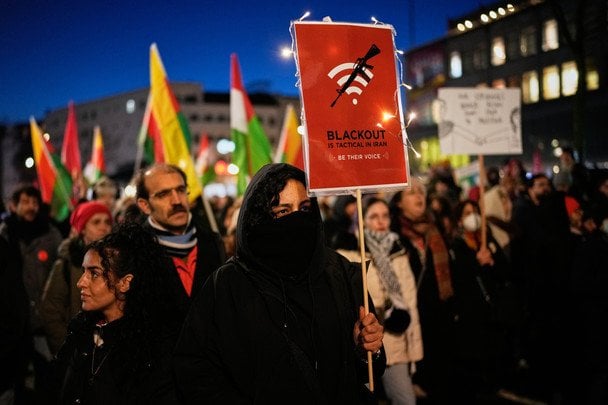
According to TSN.ua: Protests that erupted in Iran on December 28, 2022, have resulted in a death toll of at least 5,000 individuals, including approximately 500 members of the security forces. These events mark the bloodiest unrest in Iran since the 1979 Islamic Revolution. According to data from the human rights organization HRANA, the number of fatalities is at least 3,308. The protest movement has been accompanied by violence and chaos in the streets, including the arson of buildings. The scale of the unrest reflects deep-seated public discontent that has been simmering for years.
Government Response and International Community
Iranian authorities have blamed terrorists and insurgents for the violence occurring during the protests. The country's Supreme Leader, Ayatollah Ali Khamenei, acknowledged several thousand deaths resulting from the turmoil. He also stated that
"we will not drag the country into war, but we will not leave internal and international criminals unpunished."Over 24,000 arrests have been recorded nationwide, with potential death sentences for individuals whose actions are classified as 'moharebeh' (enmity against God).
Donald Trump, the President of the United States, expressed a willingness to intervene, stating
"the time has come to seek new leadership for Iran."These developments have provoked a broad international response, as the situation in Iran continues to deteriorate. The U.S. stance adds a significant geopolitical dimension to the crisis.
The protests in Iran highlight profound social and political tensions that have accumulated over many years. The high number of casualties and arrests underscores the severity of the crisis, which will demand attention not only from the Iranian government but also from the international community. The sharp reaction from the United States and other nations could intensify the conflict, while Iran's domestic policy remains vulnerable to further protests and instability.
Read also
- Zelensky Reveals Outcome of Letter to Putin: Kremlin Rejects Offer, Trump Voices Support
- Supreme Leader of Iran Killed as U.S. Launches Military Operation
- Trump Alleges Election Fraud in California After Slow Vote Count—Here’s What Happened
- Russia’s Security Services Halt Putin’s Protection System After Khamenei’s Assassination
- Survival of Crew Confirmed After US Army AH-64 Apache Chopper Crashes Off Oman Coast
- Trump Predicts Iran Deal Within Two Weeks: What We Know About the Talks