The X-22 Missile Threat: How 950kg of Explosives and Advanced Electronics Pose a Critical Danger.

The Danger Posed by X-22 Missiles
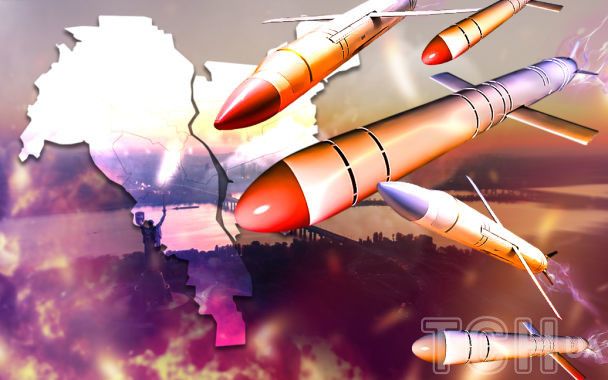
According to TSN.ua: The X-22 missiles used in the recent strike on Ukraine are a severe threat, primarily due to their massive warhead, which can carry up to 950 kilograms of high explosives. For context, this payload is vastly greater than that of standard missiles, which typically carry 100-150 kg, or attack drones, which are limited to about 40 kg. General Mykola Malomuzh has emphasized that these weapons are capable of destroying large-scale infrastructure, including thermal power plants, electrical substations, and systems critical to the operation of nuclear power facilities.
Technical Capabilities and Supply Chain Control
Furthermore, the general noted that X-22 missiles manufactured this year incorporate state-of-the-art electronics. These include modern guidance systems, chips, circuit boards, and programming. Without these sophisticated components, such missiles cannot achieve the high-precision targeting that makes them a significant threat to strategic assets. In modern warfare, the lethality of these weapons is directly tied to the quality of their imported parts.
General Malomuzh stressed that a key immediate objective must be the stringent disruption of supply channels, which could substantially reduce the dangers these missiles present. — Mykola Malomuzh
Malomuzh also pointed to the insufficient effectiveness of international controls on the supply of components for manufacturing X-22 missiles. The countries supplying these critical parts include:
- Germany
- The United States
- Japan
- South Korea
- Taiwan
The deployment of X-22 missiles in the conflict underscores the urgent need for tighter controls on the export of dual-use technologies and strategic components that can enable aggression. In the interest of global security, enhanced cooperation among supplier nations is essential to mitigate the risks associated with such advanced weapon systems. The international community must prioritize strengthening export controls and preventing the flow of technology that can be used to build dangerous armaments. This represents a crucial step toward enhancing regional security and preventing further military escalation.
Read also
- Ukrainian Forces Push Back Russian Army on the Alexandrovsk Front: New Gains Reported
- Can Russia Capture Kramatorsk and Sloviansk? The Growing Pressure in Donetsk Region
- Ukrainian Drones Cripple Chongar Bridge to Crimea: Key Details on the FrontStrike Operation
- Overnight Drone Strike in Odesa Injures Woman and Two Children
- Ukraine Disables Russian Shadow Fleet Tanker and Destroys Missile Arsenal
- Ukraine Strikes Drone Factory and Oil Refinery in Russia – Targets Hit Up to 900 Kilometers Away