Why the Kremlin Will Not Relinquish Donbas, Despite Signaling Readiness for Territorial Exchanges.

Russia's Stance on Donbas: A Sign of Strategic Failure
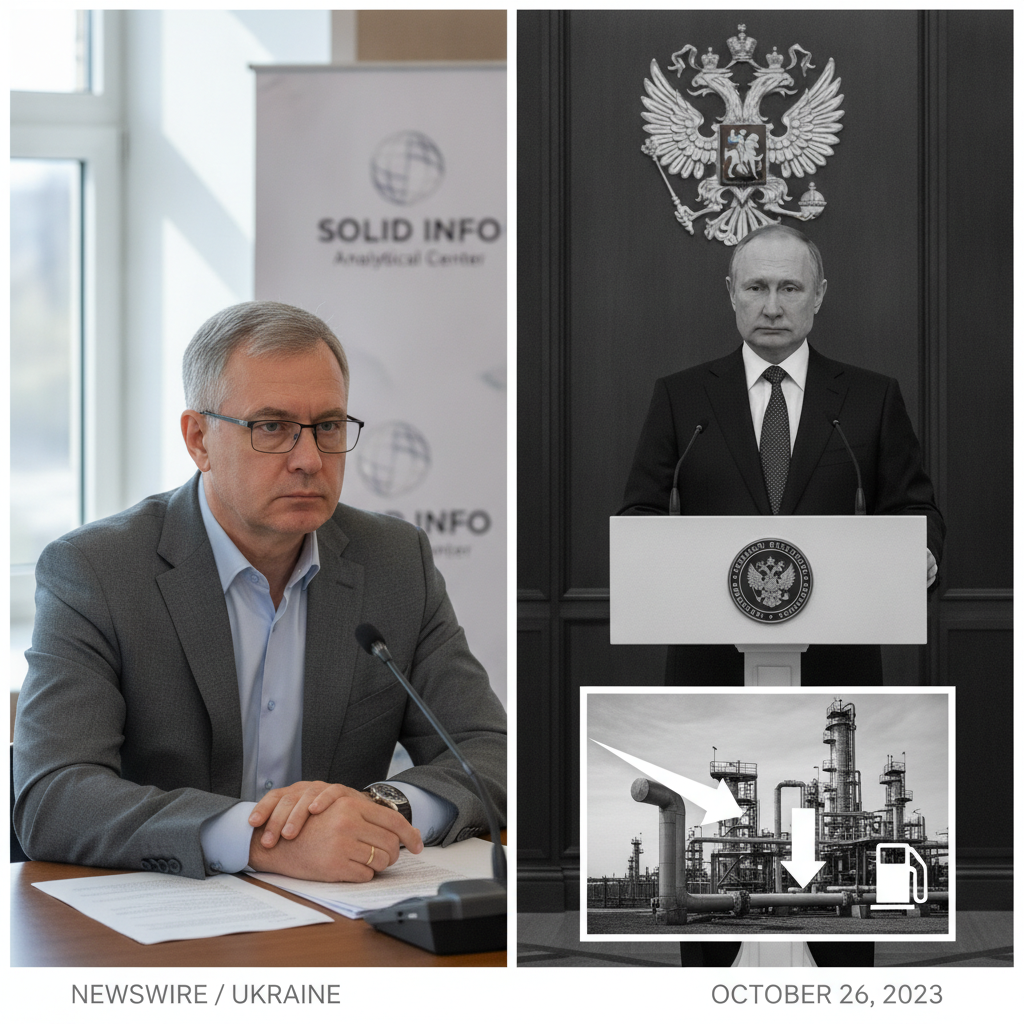
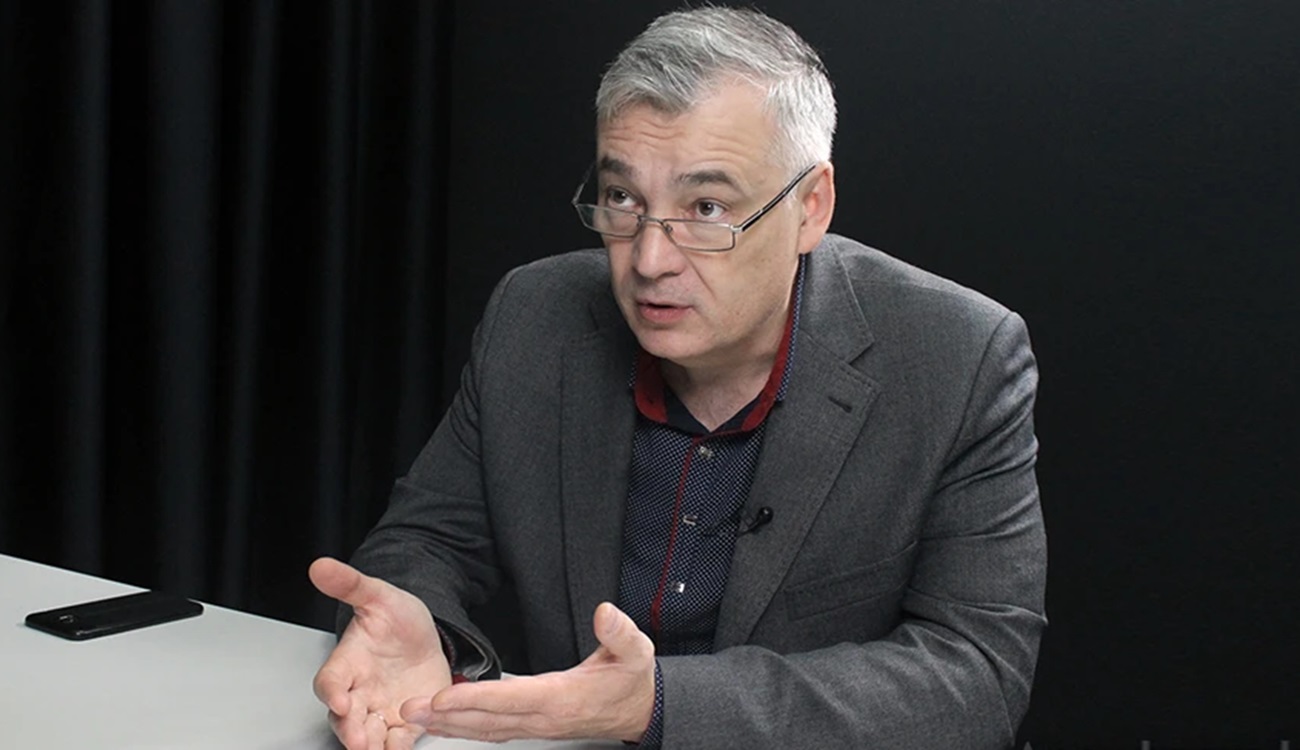
According to UATV: Military-political analyst Dmitry Snegirov argues that Russia's persistent demands for a Ukrainian withdrawal from the Donbas region reveal a tacit admission of defeat across military, ideological, and political fronts. This analysis highlights the four-year duration of the conflict and the failure of the Kremlin's stated objectives for its so-called 'special military operation.' The ongoing war in Ukraine represents the largest conventional conflict in Europe since World War II, making its dynamics critical to global security.
Occupying the Luhansk and Donetsk oblasts remains a primary goal of this operation. However, Snegirov notes that after four years of full-scale invasion, Russia has failed to accomplish even the intermediate stages of its plans. This raises significant questions about the Kremlin's next steps and the potential for negotiations. Despite these setbacks, Moscow continues to demonstrate a stated willingness to engage in talks, even suggesting a readiness for territorial swaps.
The Economic and Strategic Drivers of the Conflict
A crucial element in this calculus is the resource wealth of Donbas, particularly shale gas extraction sites near the city of Sloviansk. Snegirov emphasizes that this war has the distinct character of a resource conflict. Consequently, despite battlefield failures, the Kremlin maintains its focus on Donbas, as control over these territories holds profound strategic and economic importance for Russia.
The situation in Donbas remains extremely complex, and the Kremlin's future actions could significantly alter the course of the conflict. While Russia's recognition of its failures might open new avenues for peace talks, it could also provoke new attempts at escalation. Control over the region's resources, such as shale gas, underscores the economic dimension of the war, adding further tension to the already fraught relations between Ukraine and Russia.
Read also
- Fake Account of Ukraine’s New Military Chief Prompts General Staff to Deny Audit Rumors
- Peace Isn't Putin's Goal; Economic Pressure Alone Could Force Him to End the War, Expert Says
- Ukraine to Receive UK's Stone Cloak Technology for Countering Russian Air Defenses
- 1.5 Million Ukrainian Books Lost to Russian Attacks: Prime Minister Orders Development of State Support Program
- Over €2 million sought by Tetyana Navka in her legal attempt to overturn EU sanctions
- Ukraine's Leader Lands in US for Trump Talks and Graham Funeral: Key Issues on the Agenda