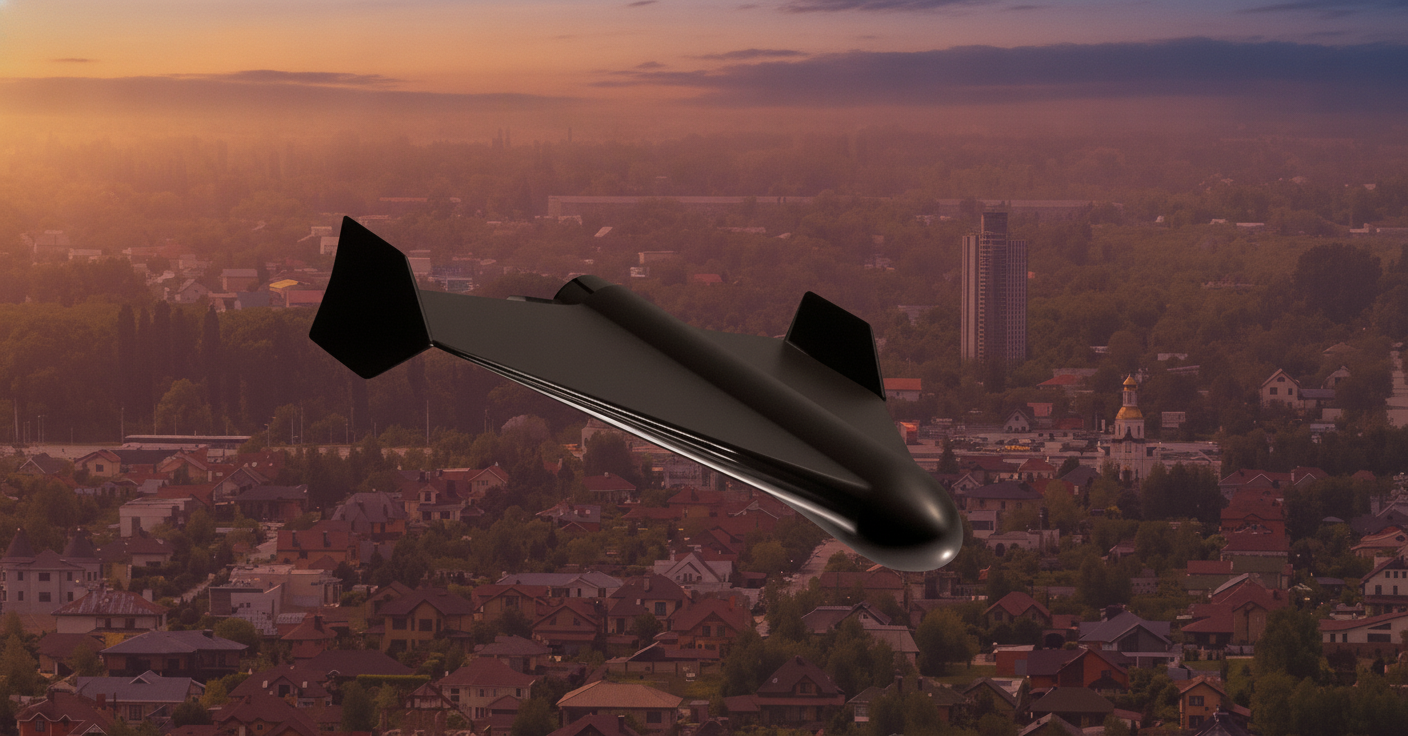
Russia Retools Its 'Molniya' Drones for Reconnaissance Instead of Strikes.

Russia’s Shift in Drone Tactics: The 'Molniya' in Focus
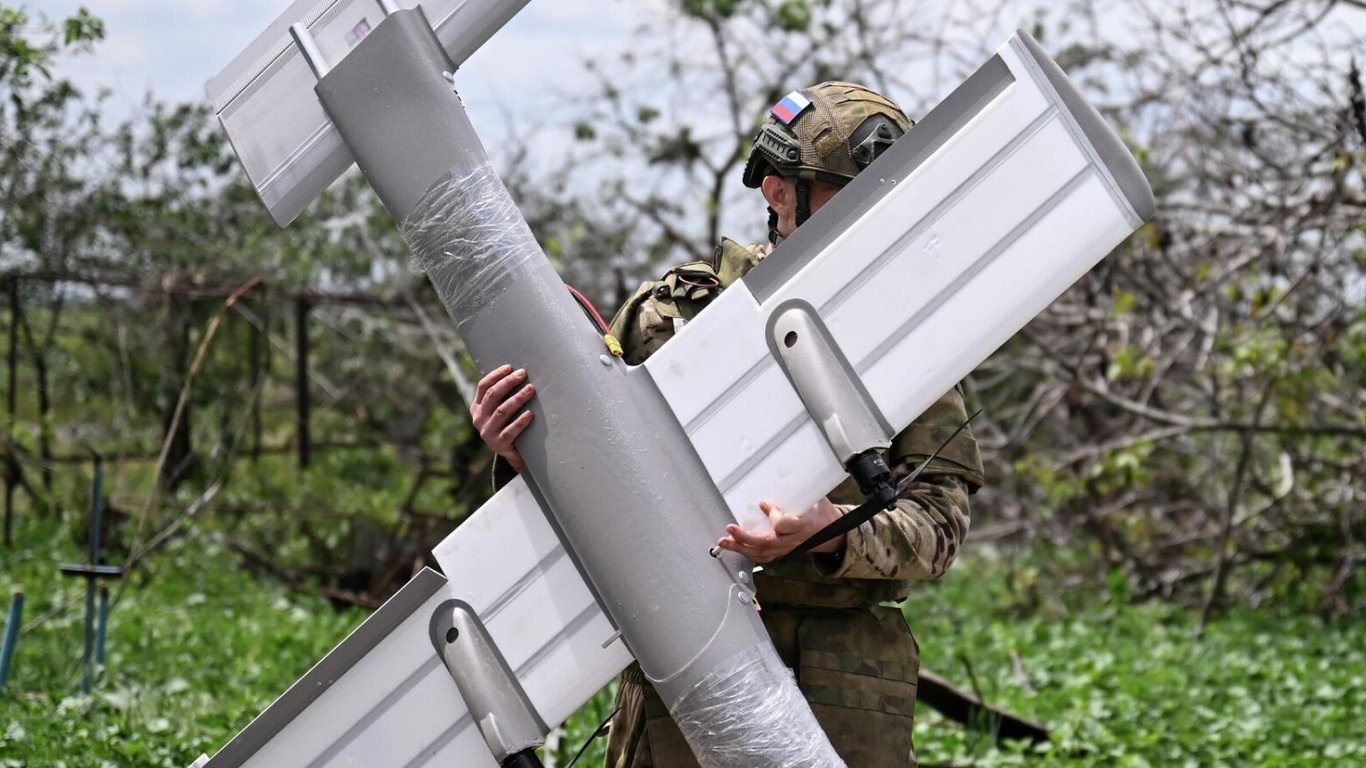
According to Novyny.live: Approximately two months ago, Russia began repurposing its upgraded 'Molniya' drones for battlefield surveillance and intelligence gathering, a move that reduces reliance on more expensive platforms like the 'Supercam' and 'Orlan-10'. This strategic pivot allows Moscow to deploy the 'Molniya' more frequently along the front lines for observation missions. These drones have been modified to carry smaller FPV quadcopters, significantly broadening their operational capabilities.
It is worth noting that a substantial portion of components for the 'Lancet' and 'Scalpel' drones originates from the United States and China, which may affect their production and effectiveness. The depth of drone strikes against Russian positions has increased, suggesting a potential improvement in their combat performance. Sergey 'Flash' Beskrestnov observed that 'some of the examined units have been fitted with extra batteries, high-definition cameras, and mesh modems to enhance communication.'
Sergey 'Flash' Beskrestnov noted that 'certain devices that were studied have already received additional batteries, high-resolution cameras, and mesh modems to improve connectivity.'
This indicates that Russia is actively refining its unmanned aerial vehicle technology. Additionally, Russian forces are now employing poison on drones, introducing a new dimension to their battlefield tactics.
Russian Military Adaptation to Evolving Conditions
The repurposing of the 'Molniya' drone highlights how Russian forces are adapting to modern combat environments and striving to enhance their technological edge. By optimizing resources and boosting the effectiveness of reconnaissance operations, Moscow aims to improve its front-line intelligence capabilities. As new technologies are integrated and existing drones are upgraded, this shift is expected to alter combat tactics and influence the overall battlefield dynamics. The aggressive adoption of these innovations could become a critical factor in future conflicts, potentially shaping the strategies of opposing forces.
Read also
- Seasonic Reveals RTX 5080 SUPER Specs: 415W TBP and 24GB Memory
- Electric vehicle range gets a massive boost as South Korea unveils next-generation battery electrodes
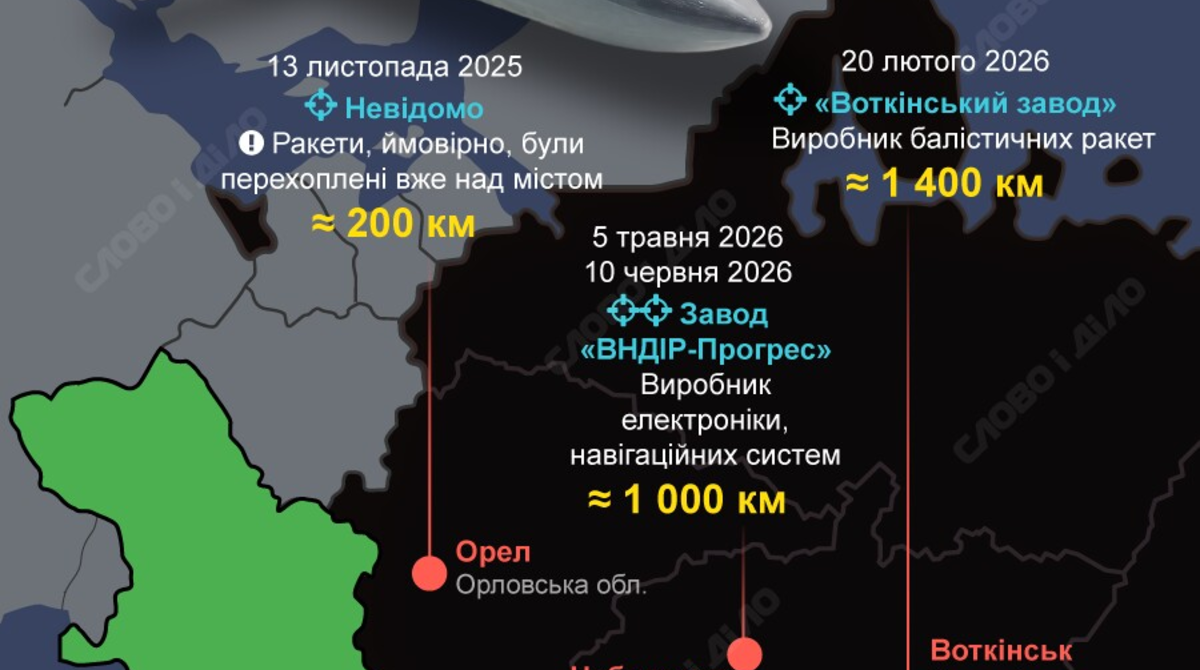
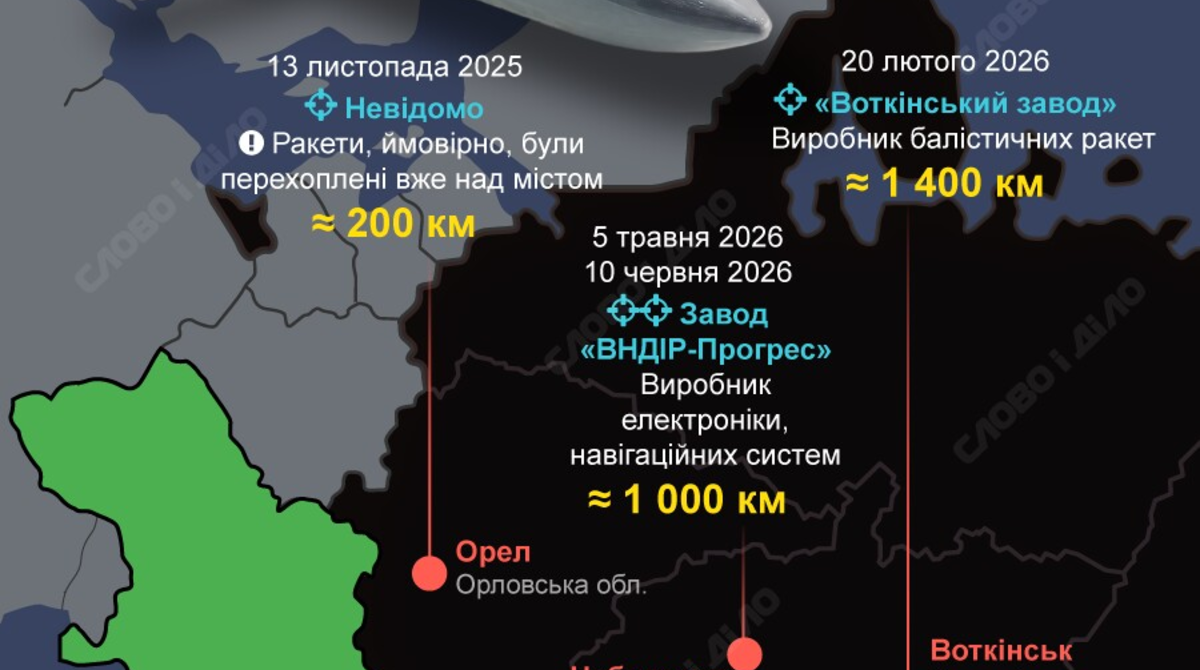
- Ukraine’s New ‘Flamingo’ Missile Strikes Targets 3,000 km Away: How the FP-5 Works
- Ukraine’s Flamingo Missile Reaches 3,000 km: First Strikes on Russian Soil Expected in 2025–2026
- Why Ukraine’s Air Defense Is Struggling Against Russia’s New Jet-Powered Drones
- Top Score from Consumer Reports: What the Asus Gaming Router Brings to the Table