Why Prisoner Exchanges for 800 Azovstal Defenders Have Stalled.

Why Prisoner Exchanges for 800 Azovstal Defenders Have Stalled
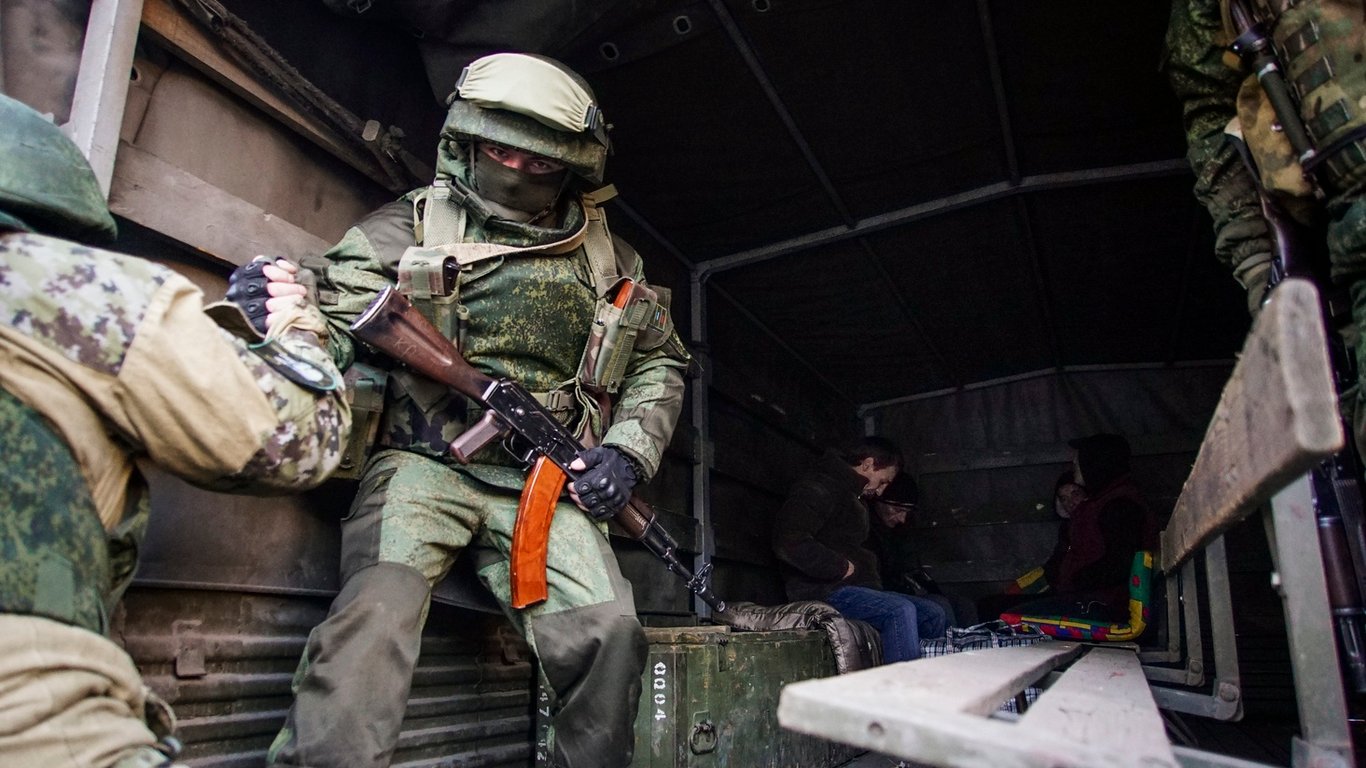
According to Novyny.live: Approximately 800 soldiers from the 12th Azov Brigade, who defended the Azovstal steelworks, remain in Russian captivity. Russia has shown no willingness to return these personnel, despite earlier agreements for a UN-facilitated exchange. The Russian Supreme Court's designation of the Azov Brigade as a terrorist organization has severely complicated potential prisoner swaps. This legal move is widely seen as a political tactic to obstruct exchanges.
Some of the Azovstal defenders have already received life sentences. In November 2022, one of them, Oleksandr Savov, died after nearly three years in captivity. Others who have been returned home suffer from severe health issues, including:
- tuberculosis;
- skin diseases;
- lymphedema in the legs.
Doctors at the Heart Institute saved the life of one returnee by removing a bullet that had remained lodged in his heart for three years.
The State of Prisoner Exchanges
Experts note that Russia lacks interest in returning Ukrainian soldiers.
“We have a very high rate of return to active duty: about 80%. This is a huge percentage, even compared to the world's best military units,” says Nestor Barchuk.He also emphasizes that Russia's actions violate the Geneva Conventions and international humanitarian law, but this is considered acceptable for domestic Russian consumption.
“This is one of the factors they consider during exchanges,” the expert adds.
Consequently, the situation regarding the exchange of the Azovstal defenders remains critical, with no immediate prospects for their return to Ukraine.
The plight of these Ukrainian soldiers reflects the broader challenges of prisoner-of-war exchanges in this conflict. The terrorist designation of the Azov Brigade and Russia's refusal to engage in swaps demonstrate how humanitarian principles and international law are often disregarded. This case is likely to impact future negotiations on prisoner exchanges and complicate international efforts to uphold human rights in conflict zones.
Read also
- Heavy Fighting in Donetsk Region: 19 Russian Assaults Recorded in a Single Day
- For the First Time, Ukraine’s Navy Granted Authority to Command NATO Mine-Countermeasure Forces
- Russia Seeks to Widen Combat Zones: Ukraine Stands Up Three New Brigades
- Russian Airstrike Hits Izium: Cargo Office of Nova Poshta Damaged by Guided Bomb
- Iran Blockades the Strait of Hormuz: Houthis Shut Down Bab el-Mandeb in 2026
- Five Fuel Trucks Destroyed in Ukrainian Strike on Russian Military Convoy in Luhansk