Kremlin's War Strategy: Concessions Only Follow Military Defeats.

Russia's Strategic Aims in the Ukraine War
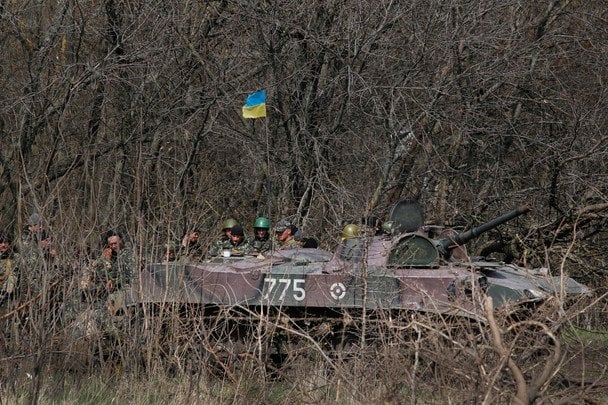
According to TSN.ua: Russia continues its war in Ukraine, having failed to achieve any of its strategic objectives since launching its full-scale invasion in 2022. Analysts observe that the Kremlin only agrees to compromises after suffering painful defeats or facing a genuine threat. This pattern was recently confirmed by a prisoner exchange, which was unblocked following a successful Ukrainian Armed Forces operation in Russia's Kursk region. This conflict represents the largest ground war in Europe since World War II.
Frontline Dynamics and Military Manpower
Similarly, Russia was forced to agree to a grain deal after the destruction of ships from its Black Sea Fleet. These events indicate that Moscow reacts to military setbacks and external pressure in an attempt to preserve its positions. Meanwhile, Ukraine's defense forces must eliminate approximately 50,000 occupiers each month to degrade Russia's combat capabilities. The high casualty rates on both sides underscore the war's intensity.
It is also worth noting that the Russian Federation mobilizes roughly 40,000 military personnel monthly, demonstrating its intent to maintain troop numbers despite significant losses. Security expert Dmytro Zhmaylo emphasizes:
“Ukraine cannot cede occupied territories, as surrendering them would allow Russia to launch new offensive actions deeper into Ukraine.” — Dmytro Zhmaylo
Thus, the Kremlin's war strategy remains oriented toward seeking compromises only under the pressure of major defeats, highlighting the critical importance of continued resistance against the aggressor.
The frontline situation remains tense, and ongoing events demonstrate how vital it is for Ukraine to sustain its military momentum to contain Russian aggression. Successful operations by the Armed Forces of Ukraine could become key factors in the future dynamics of the conflict, as the Kremlin continues to seek ways to compensate for its losses. Support from the international community and readiness to repel new attacks remain critically important for ensuring Ukraine's national security.
Read also
- EU Accession Talks for Ukraine to Begin June 16 After Hungary Lifts Its Veto
- Kim Jong Un Announces Major Escalation of North Korea's Nuclear Capabilities
- Israel and Lebanon Reach Ceasefire Deal: Key Terms and Dates for Upcoming Talks
- No Neutrality: U.S. Arms Only for Ukraine, Sanctions Only for Russia, Rubio Clarifies
- Zelenskyy Open to Direct Talks with Putin: U.S. Officials Weigh In
- Pentagon Unfreezes $400 Million for Ukraine: When the Aid Will Arrive