The Russian Tax Service has intensified pressure on businesses: the amounts of additional charges have reached a record high.

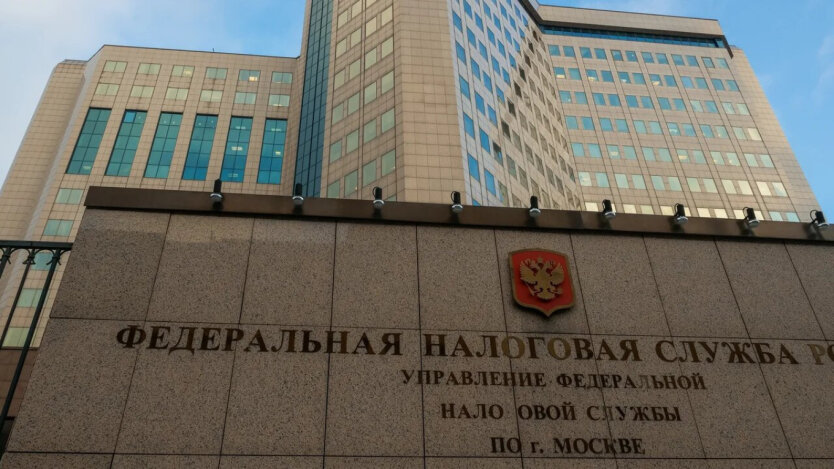
According to inkorr.com: The Federal Tax Service of Russia has started to act much more strictly. Business audits have become significantly more frequent due to a substantial lack of funding in the state budget.
The effectiveness of tax audits has significantly increased. According to The Moscow Times, in Moscow the percentage of audits that concluded without additional tax charges fell from 6.75% to 2.56% in 2025.
At the stage of pre-audit measures, tax service inspectors identify possible violations and offer companies to voluntarily pay additional taxes. In the case of refusal, an audit begins, leading to additional charges.
The tax service carefully examines the details in business and other schemes that may reduce tax liabilities. Most violations are detected before audits begin when a company falls into the risk group.
Thus, over the past 7 years, in Moscow and St. Petersburg, the amounts of additional charges have reached record levels - 120.68 million and 248.79 million rubles, respectively.
The Federal Tax Service of Russia has intensified control over businesses by increasing the number of audits and improving methods for detecting violations. The new approach of inspectors regarding pre-audit measures allows for the identification of potential deviations from tax legislation even before the audit begins, enhancing the effectiveness of business control and preventing tax evasion.
These changes indicate serious attention from tax authorities to the financial discipline of Russian companies. The increase in the number of audits along with the rise in additional charges may significantly impact the business environment and financial stability of enterprises in the regions.
Read also
- Ukraine Set to Receive €40 Billion for Defense; New Minister Vote Scheduled
- Major General Skibyuk Appointed as New Chief of General Staff: Zelenskyy Announces Leadership Shakeup
- Supreme Court Judge Slams Sanctions on Poroshenko: Lawsuit Should Have Been Upheld
- Rubio and Lavrov Set for Manila Talks: US Signals Readiness to Discuss Ending the War
- Ukrainians' Trust Rankings: Zaluzhnyi Leads, Zelenskyy Loses Ground
- Orbán Accuses Hungary’s New Government of Autocracy: What’s Unfolding