Moscow's Oil Bet Backfires: Every Scenario Falls Short of Budget Needs.

Russia's Economic Outlook
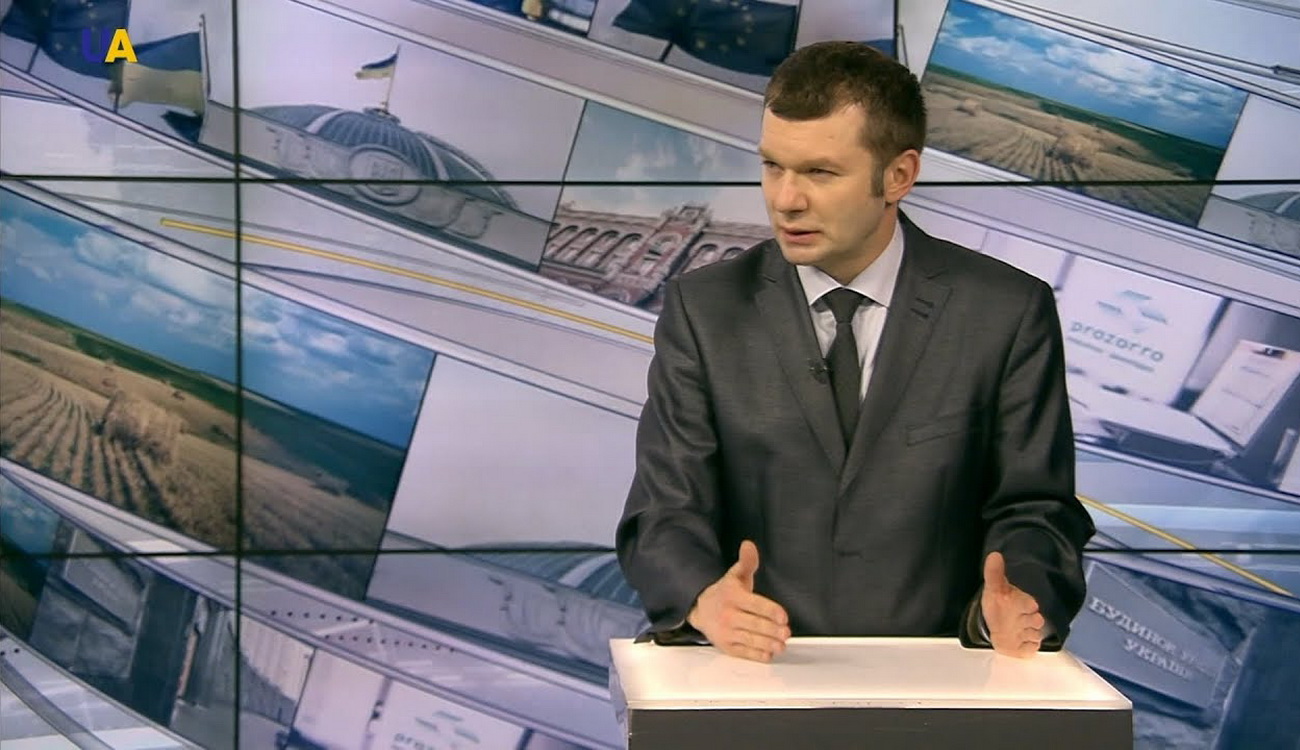
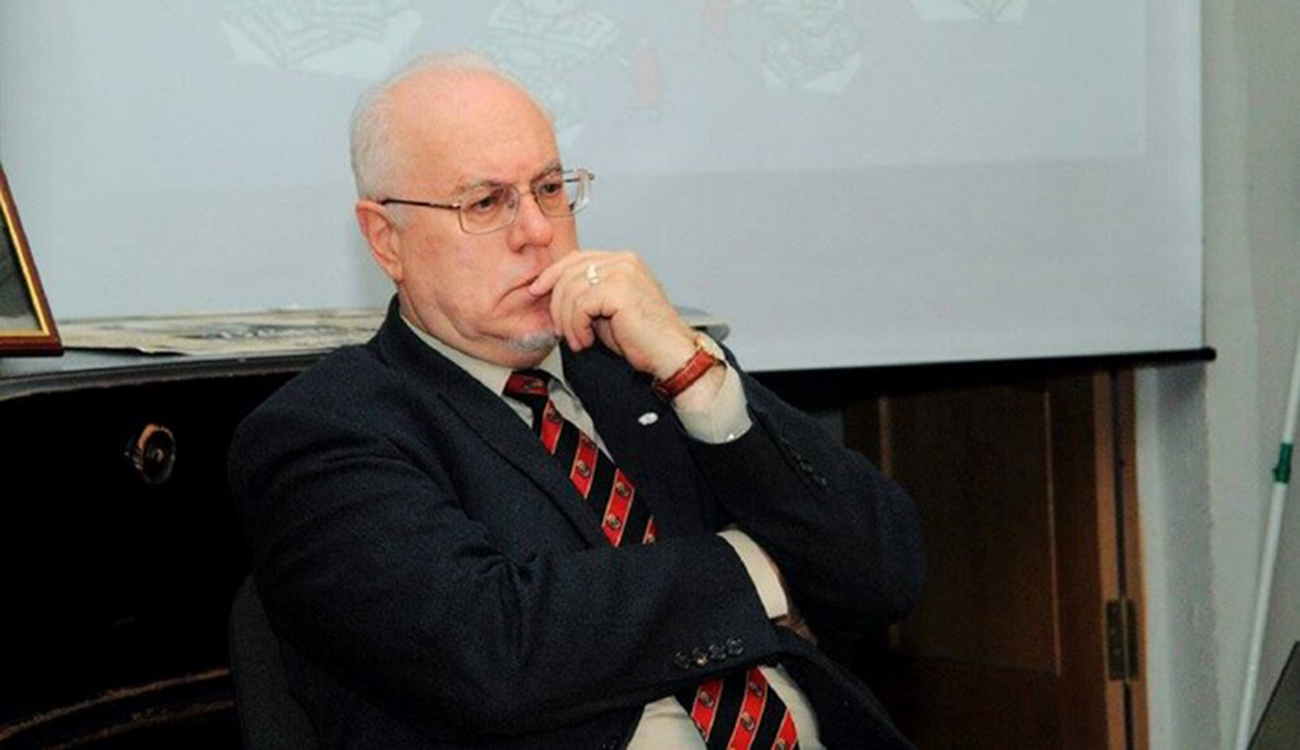
According to UATV: Economist Igor Lipsits stated on FREEДOM TV that Russia is banking on rising oil prices to fill its state coffers. However, he warns that no potential outcome works in Moscow's favor due to volatile pricing, the influence of U.S. policy, and the growing threat from electric vehicle adoption. Lipsits emphasized that
“the price environment is extremely unstable”— Igor Lipsits.
Military Conflict and Forecasts
A doctor of economics and professor, Lipsits also highlighted that an oil price of $62 per barrel is viable for shale oil producers. He argued that
“high prices benefit none of the oil extractors”— Igor Lipsits. According to him, any peace progress in Iran would drive oil prices downward.
Lipsits further addressed the impact of ongoing military actions. He stated:
“If [Europeans] start stopping tankers, if the Ukrainian Armed Forces continue their attacks, then all of Russia's calculations will prove meaningless”. This underscores how armed conflicts could severely undermine Russia's hopes for stability in the oil sector.
Additionally, he predicted that “there will be a major surge in activity by shale oil companies.” As a result, the oil market remains tense, with no single factor promising stability for the Russian economy. The Security Service of Ukraine also carried out a special operation targeting an oil terminal at the port of Ust-Luga, a move that could affect regional dynamics.
In summary, Russia's oil industry faces numerous challenges that threaten its ability to develop independently and sustain budget revenues. Volatile oil prices, the impact of international politics, and military operations in Ukraine create a complex situation for Moscow, likely leading to further economic decline. Experts believe that under these conditions, Russia will struggle to meet its financial targets and maintain economic stability. Given these factors, the chances of a successful Russian economic recovery in the near future remain low.
Read also
- Global Fuel Markets Shaken as Ukrainian Drones Undermine Russian Control
- Russian Business Owners Are Moving Billions Abroad Amid Fears of Asset Seizure and Forced War Funding
- Former Minister Sobolev Takes on New Role in the President’s Office: What He Will Be Working On
- India Becomes Fuel Supplier to Russia as Diesel Shortage Bites
- Currency Panic Grips Ukraine: Expert Reveals Why People Are Losing Faith in the Hryvnia
- Major Salary Hikes Planned for Ukrainian Rescuers: Here’s What They Could Earn