Russia's Assault on Lyman Fails, Prompting a Tactical Shift: How Occupiers Now Operate.


Russian Army Changes Its Battlefield Approach
According to UATV: After a failed assault on Lyman in Donetsk region, Russian forces have abandoned large mechanized attacks and are now relying on small infantry groups, according to Oleksandr Borodin, spokesperson for the 3rd Army Corps. Troops on this front segment have started using quad bikes and motorcycles, highlighting their adaptation to evolving combat conditions. This marks a clear departure from the large-scale armored offensives previously seen in the area.
Ukrainian Defense Forces Keep Up the Pressure
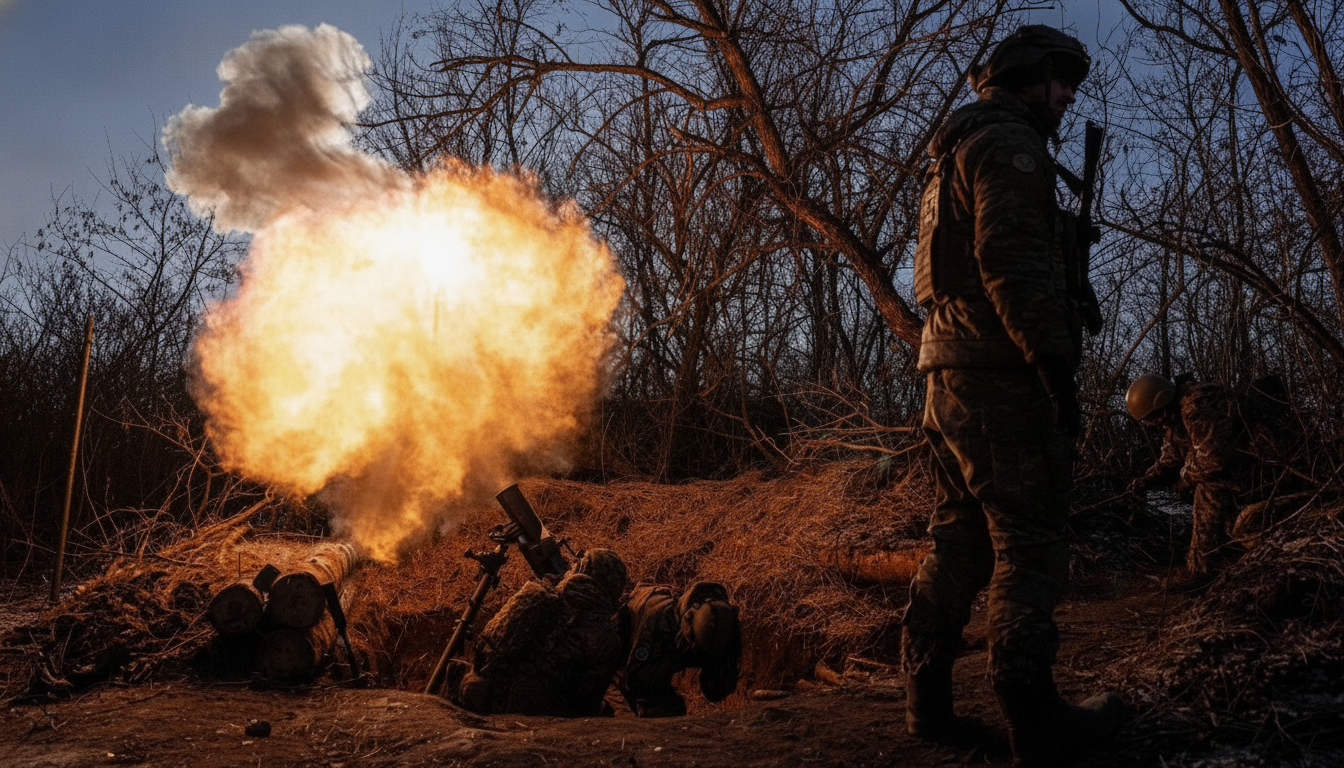
Meanwhile, Ukraine's defense forces maintain an active fight. Ukrainian troops have driven Russian occupiers from fortified positions and liberated several settlements in the Oleksandrivka direction, located at the junction of Donetsk, Dnipropetrovsk, and Zaporizhzhia regions. These gains were made possible by halting a major Russian offensive toward Kostiantynivka.
“The offensive actions we saw recently, and what happened in 2022—the maneuverable, mechanized blitzkrieg attacks by the Russians—are costing them dearly.”
Oleksandr Borodin
This statement underscores the shift in Russian military strategy as they try to adapt to new frontline realities. Facing stiff resistance from Ukrainian forces, the move to small infantry groups may represent a new phase in the conflict.
The change in Russian tactics reflects an adjustment to the dynamic battlefield conditions shaped by active Ukrainian counterattacks. Abandoning large mechanized assaults in favor of more flexible infantry groups could indicate growing pressure on Russian troops. In turn, Ukraine's successes in liberating settlements suggest a gradual upper hand in certain front sectors, which could alter the overall course of the conflict.
Read also
- Heavy Fighting in Donetsk Region: 19 Russian Assaults Recorded in a Single Day
- For the First Time, Ukraine’s Navy Granted Authority to Command NATO Mine-Countermeasure Forces
- Russia Seeks to Widen Combat Zones: Ukraine Stands Up Three New Brigades
- Russian Airstrike Hits Izium: Cargo Office of Nova Poshta Damaged by Guided Bomb
- Iran Blockades the Strait of Hormuz: Houthis Shut Down Bab el-Mandeb in 2026
- Five Fuel Trucks Destroyed in Ukrainian Strike on Russian Military Convoy in Luhansk