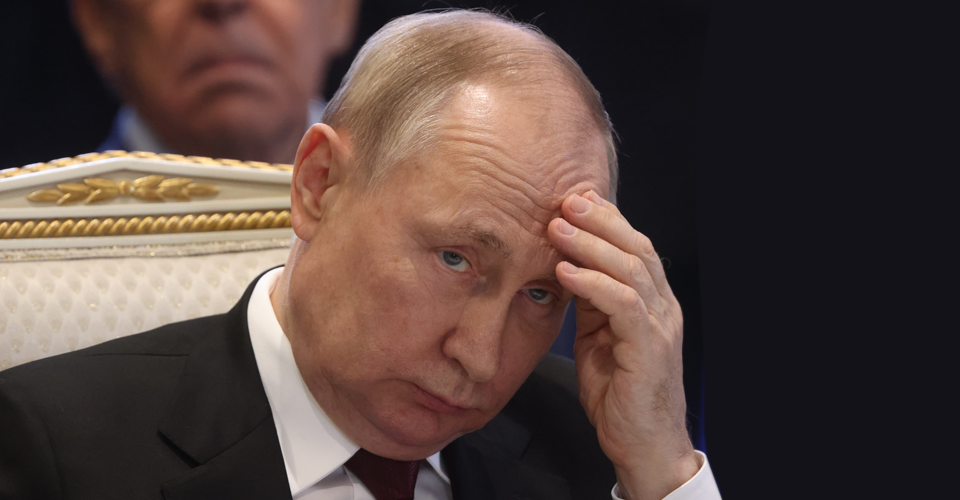
Russia's $75 Billion Budget Shortfall Forces Fire Sale of Gold and Currency Reserves.


Russia's Mounting Economic Pressures
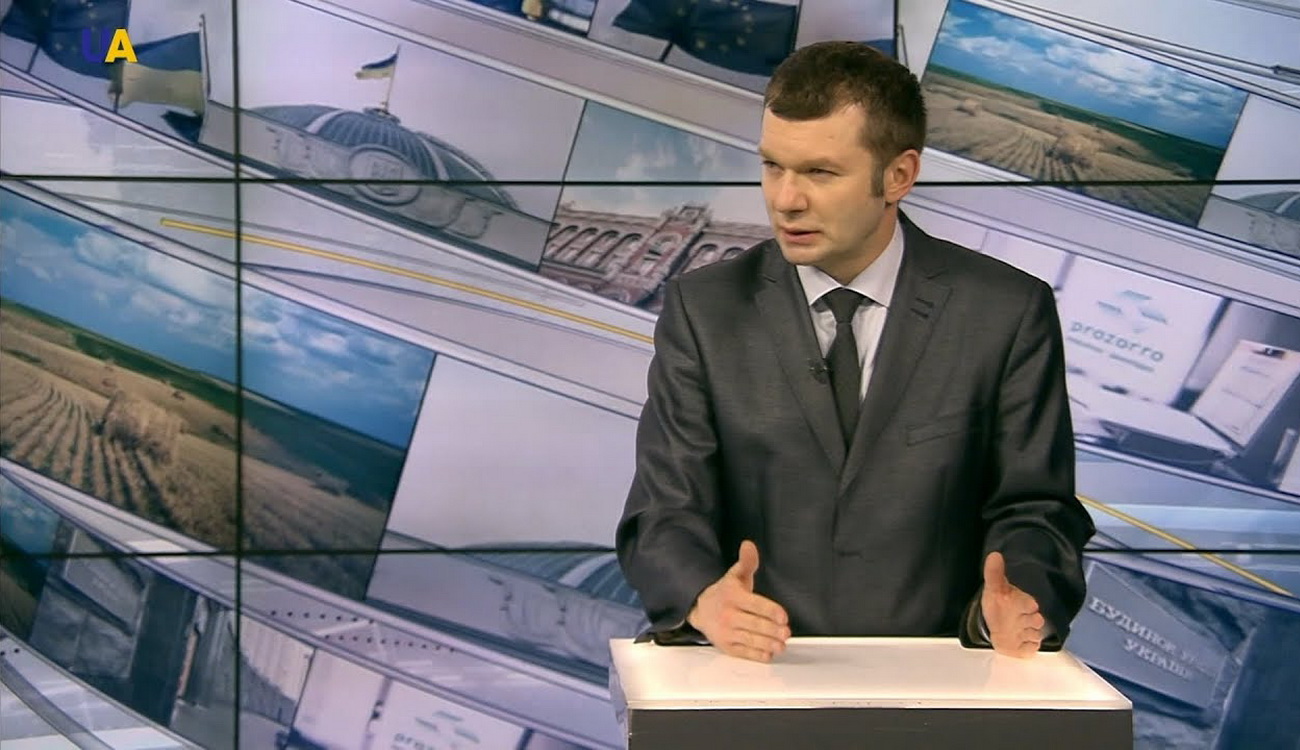
According to UATV: Facing a severe federal budget deficit triggered by international sanctions and plummeting oil and gas revenues, Russia has been compelled to liquidate its gold and foreign currency reserves. On January 30, 2023, Professor Oleksandr Savchenko reported that the nation had begun selling off its strategic gold stockpile—a significant move for a state that had avoided such sales prior to the war. Russia's reserves are now primarily composed of Chinese yuan and gold bullion, with the yuan held in the National Welfare Fund (NWF) maintained at minimal levels.
Reports indicate Russia raised $3 billion from the sale of 25 tons of gold, yet the gold balance in the NWF has plunged by 71% since 2022. This underscores a major shift in economic policy, driven by a projected 24% drop in oil revenues by 2025. To manage these financial strains, Moscow has rewritten its budget three times, with the federal budget deficit for 2026 now standing at $75 billion.
"Russia cannot sell its gold without incurring losses."
Professor Oleksandr Savchenko
Professor Savchenko noted that "trading the gold and currency reserve is humiliating for Russia, but there is no other way." He further stated that "debt servicing costs now exceed spending on science and education." Concurrently, Russia is issuing government bonds that are being purchased by state-owned banks, a clear signal of the country's precarious financial position.
Long-Term Implications for National Stability
This scenario highlights the profound economic challenges Russia faces as a direct consequence of international sanctions and declining income from natural resources. The depletion of gold reserves and their sale to cover the budget deficit reveals severely limited options for funding social programs and other critical expenditures, which could threaten the country's long-term stability.
Furthermore, the reduced reliance on traditional currencies like the dollar and euro, and the pivot toward the Chinese yuan, may indicate Russia's attempts to adapt to new economic realities. However, these changes are occurring under immense financial pressure, emphasizing the acute difficulties confronting the nation. The situation illustrates how sanctions are reshaping Russia's fiscal strategy, forcing it to deplete the very assets meant to ensure its economic sovereignty.
Read also
- Fuel Shortage Spreads Across 78 Regions, Pushing Russia Toward a Food Crisis
- July 3 Declared a Day of Mourning in Kyiv: Canceled Events and Potential Air Defense Boost
- Russia’s Economy in Turmoil: Non-Performing Loans Hit 13% as Stock Market Plunges 6%
- Russia Faces Economic Collapse as Putin Diverts Pension Funds to War Effort, Economist Warns
- Drone Strikes Drive Russia’s Oil Refining to a 17-Year Low
- Strikes on Russian Refineries Drive 20% Drop in Oil Processing, 10% Decline in Diesel Output