Russia's 20-Kilometer 'Buffer Zone' Plan for Sumy and Kharkiv Regions Explained.

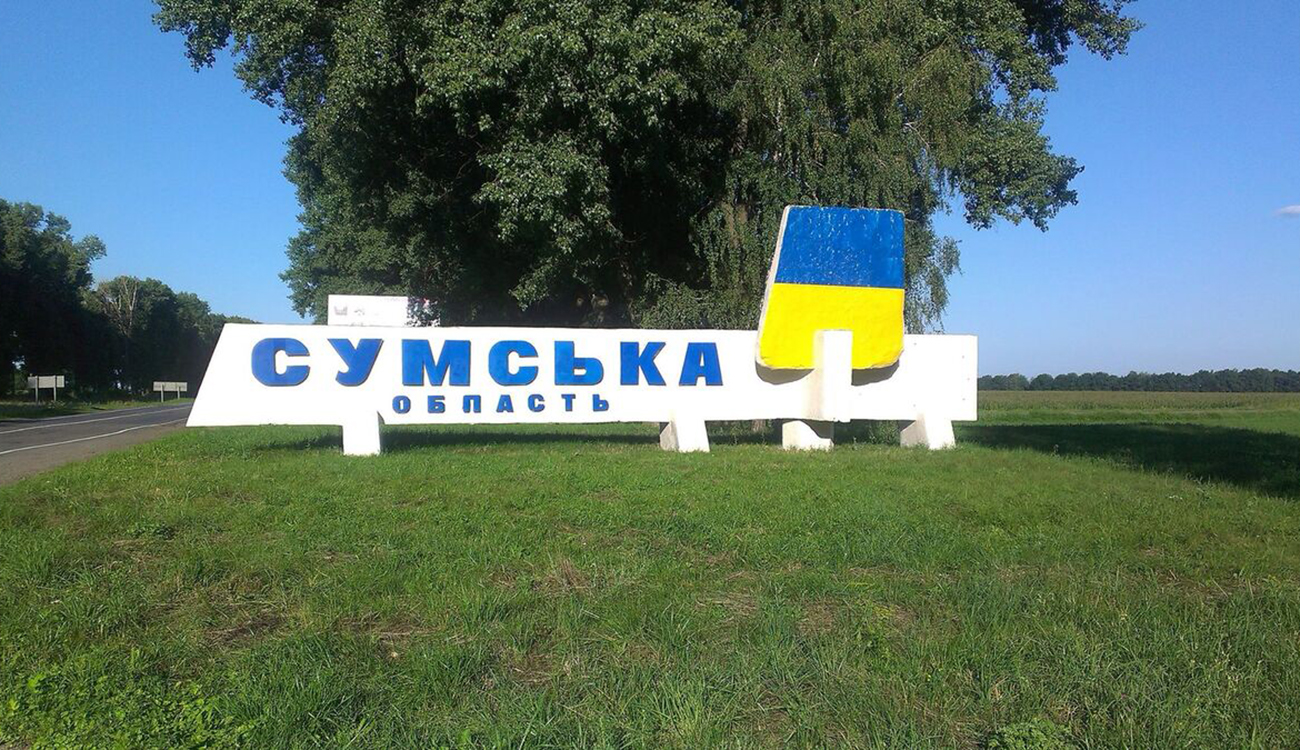
Military Situation in Sumy and Kharkiv Regions
According to UATV: Russian forces are attempting to establish a 20-kilometer buffer zone by seizing border villages in Ukraine's Sumy and Kharkiv regions. According to Commander of the Joint Forces, Mykhailo Drapatyi, the enemy aims to expand its area of control across 12 identified sections of the front. This move represents a significant shift in Russia's tactical objectives along the northeastern border, following its failed 2022 offensive to capture Kharkiv city.
Speaking at a briefing, Drapatyi stated:
"For the 'North' group, which is positioned opposite us in Sumy and Kharkiv oblasts, this is a buffer zone or, as they call it themselves, a 'zone of influence.'"This statement underscores the strategic intent behind the Russian military's operations in these areas.
Recent Developments and Implications
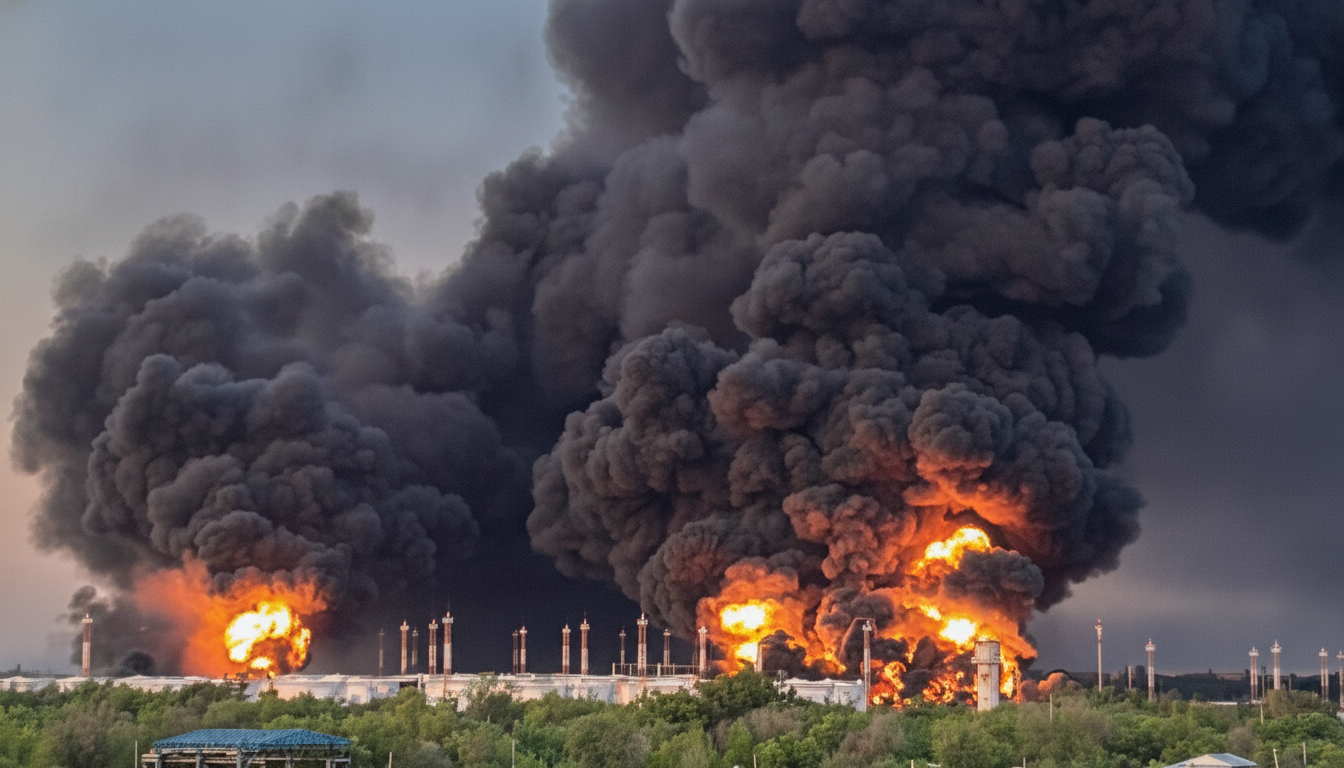
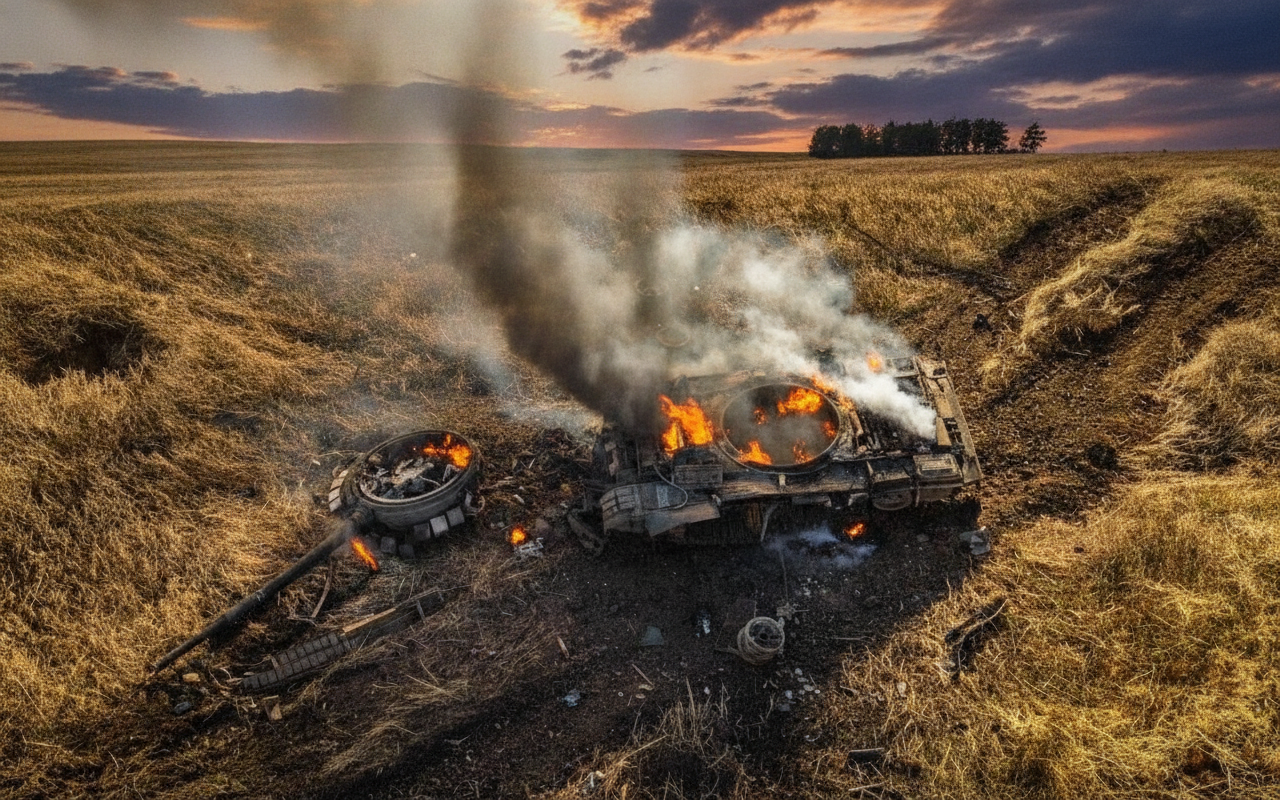
On March 10, Ukrainian Defense Forces successfully struck a series of Russian military targets, demonstrating active combat operations to counter the enemy's territorial expansion. The situation in Sumy and Kharkiv remains highly volatile, with the actions of both sides likely to shape the conflict's trajectory in the coming weeks.
The Russian push to create a deeper occupied zone in Ukraine's border regions is a concerning escalation, as it could facilitate further attacks and complicate Ukrainian defense. This military activity highlights the critical importance of territorial control and strategic positioning, with potential long-term consequences for security in Ukraine and the wider region.
The determined stance of Ukrainian forces, actively working to repel these threats, reflects their readiness to engage in sustained combat operations to defend their sovereign territory.
Read also
- Ukraine Ramps Up Drone and Missile Production: Inside the 'DeepStrike' Program
- German Forces Join NATO's 'Eastern Shield' Initiative to Reinforce Border Defenses
- Russian Strikes Hit Six Ukrainian Regions, Leaving Dead and Dozens Wounded
- Ukrainian Forces Destroy 28 Tanks and 78 Artillery Systems in One Day: Russia's Latest Military Losses
- July 23 Russian Strike on Ukraine: How Many Targets Were Neutralized
- 13 Russian Vessels Destroyed by Ukrainian Drones in 48 Hours: Inside the 'MoLoChKa' Operation