Russia Seized Over 2 Million Tons of Ukrainian Grain: The Global Impact of a Stolen Harvest.

Russia's Theft of Ukrainian Grain
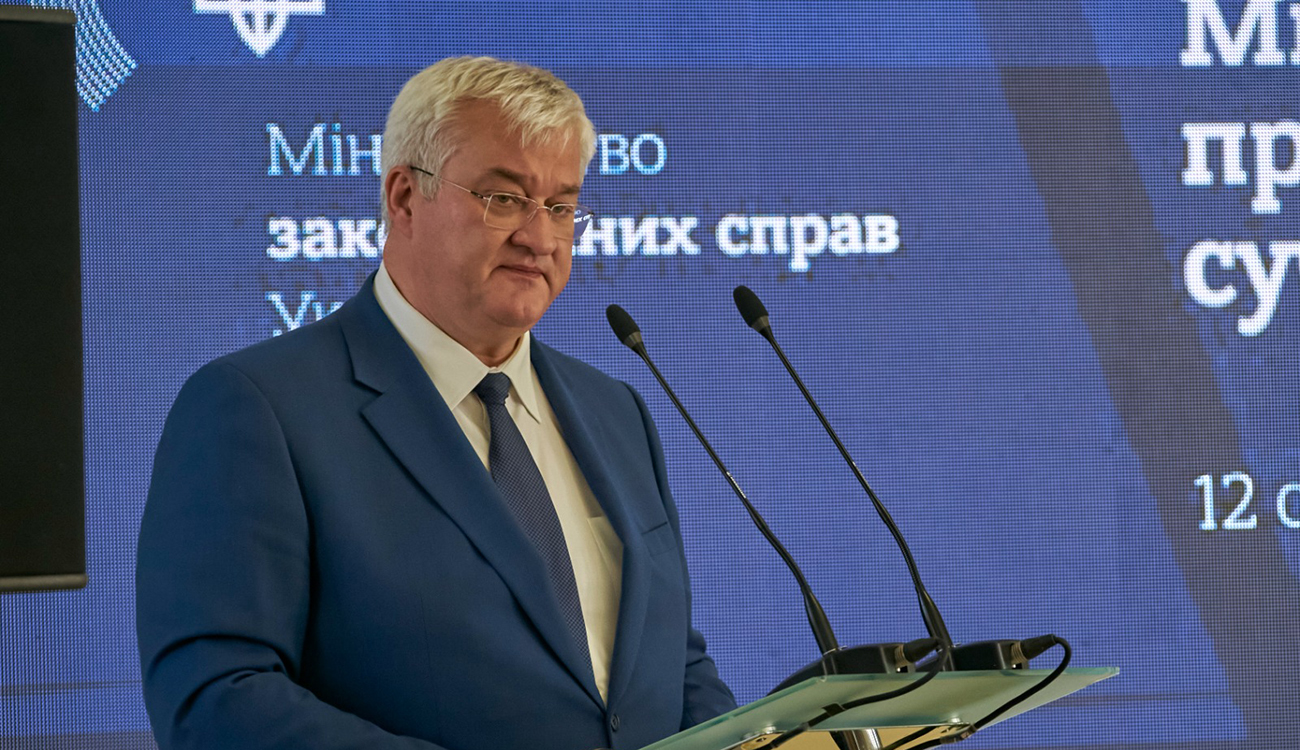
According to UATV: Ukrainian Foreign Minister Andrii Sybiha has revealed that Russia stole more than 2 million tons of Ukrainian grain last year from temporarily occupied territories. This illicit harvest was then funneled onto global markets in Africa, Asia, the Middle East, and Europe, raising serious international concerns. This theft exploits Ukraine's role as a major global breadbasket, threatening food security far beyond its borders.
According to Sybiha, Ukrainian intelligence has already identified 45 vessels implicated in the theft and transport of the stolen grain. In response, sanctions have been imposed against 43 ships and 39 captains who facilitated this illegal activity. Furthermore, a vessel carrying stolen agricultural products was seized in the port of Odesa.
Andrii Sybiha emphasized that all those complicit in the theft will face the consequences of Ukrainian sanctions—both judicial and special economic measures.
An Appeal for International Cooperation
Andrii Sybiha has called on European partners to begin a systematic effort to counter this Russian crime and the threat it poses to global food security. The situation underscores the critical need for international collaboration to combat aggression and protect Ukraine's vital food resources.
The Ukrainian foreign minister's statement highlights not only a domestic crisis but a global threat to food supply chains. The grain theft jeopardizes the viability of Ukraine's agricultural sector and could have severe repercussions for nations dependent on imports of its agricultural products.
A coordinated and systematic international response to these actions is essential to uphold justice and support Ukraine in the face of Russia's ongoing aggression.
Read also
- U.S. Official Patel Scheduled for Russia Visit on October 14–15 – Key Details
- Ukraine’s Second Front Demands a Diplomatic Breakthrough as Top Diplomat Post Is Filled
- Why Rubio’s Call to Protect Shipping in the Strait of Hormuz Matters for Global Security
- Economics and Security Top the Agenda in Burnham-Trump Call
- Zelenskyy Welcomes UK’s New Prime Minister: Who Is Andy Burnham?
- New Russian Mobilization Wave Expected After Elections: Who Will Be Affected