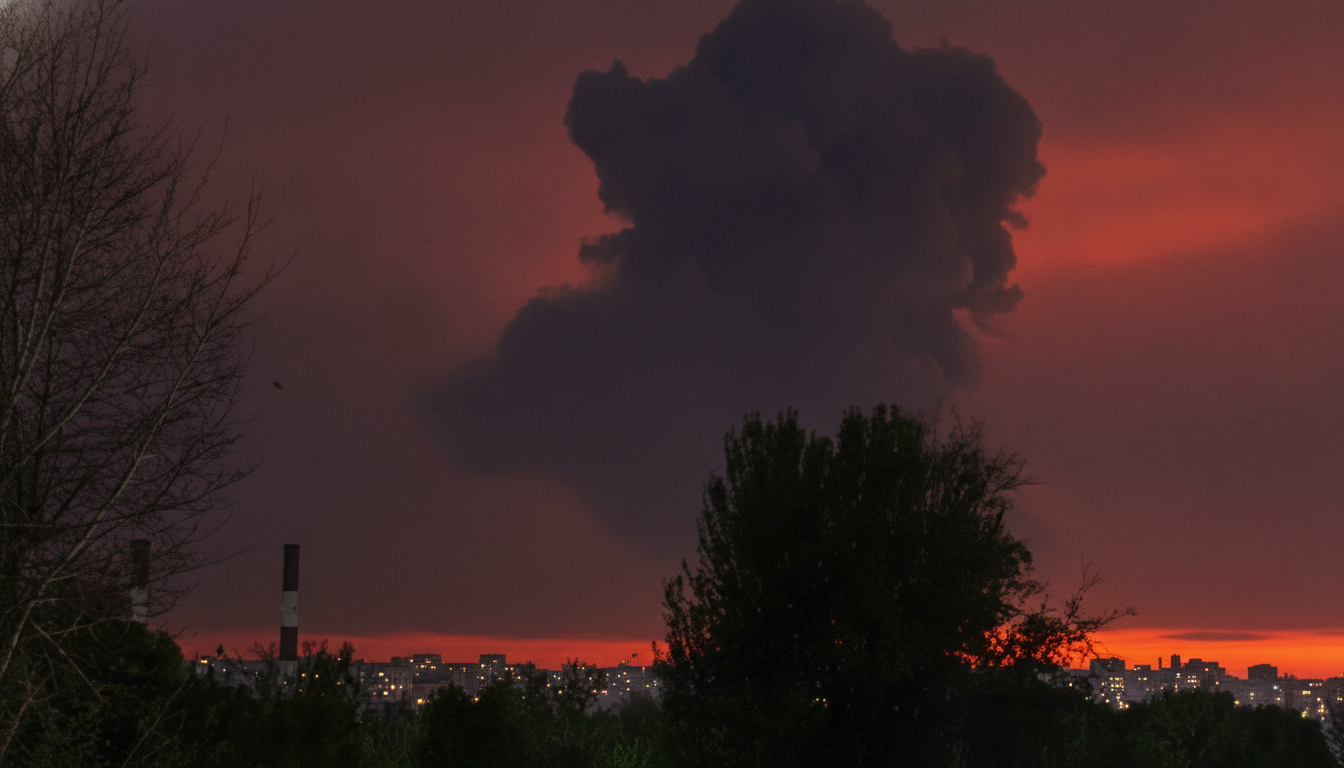
Russia Launches 345-Weapon Assault, Targeting Ukraine's Energy Grid.

Russia's Major Strike on Ukraine
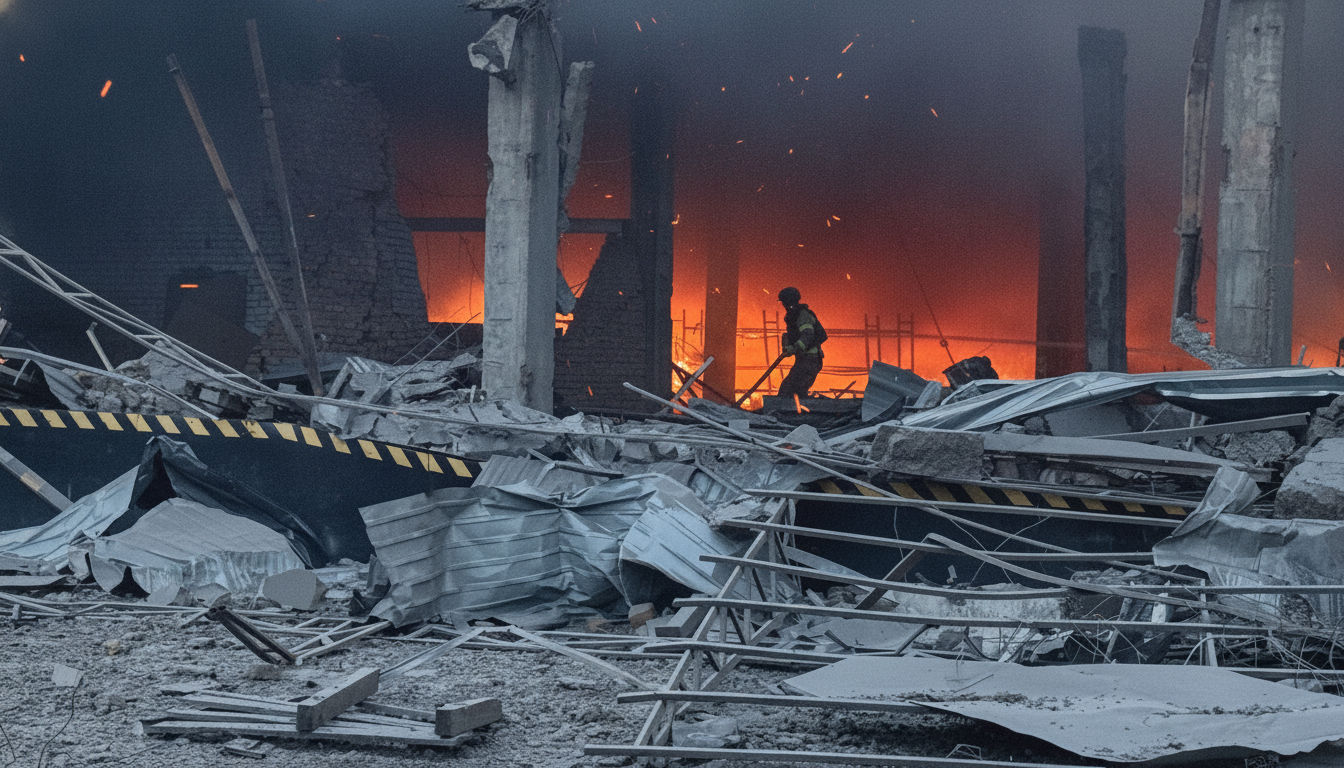
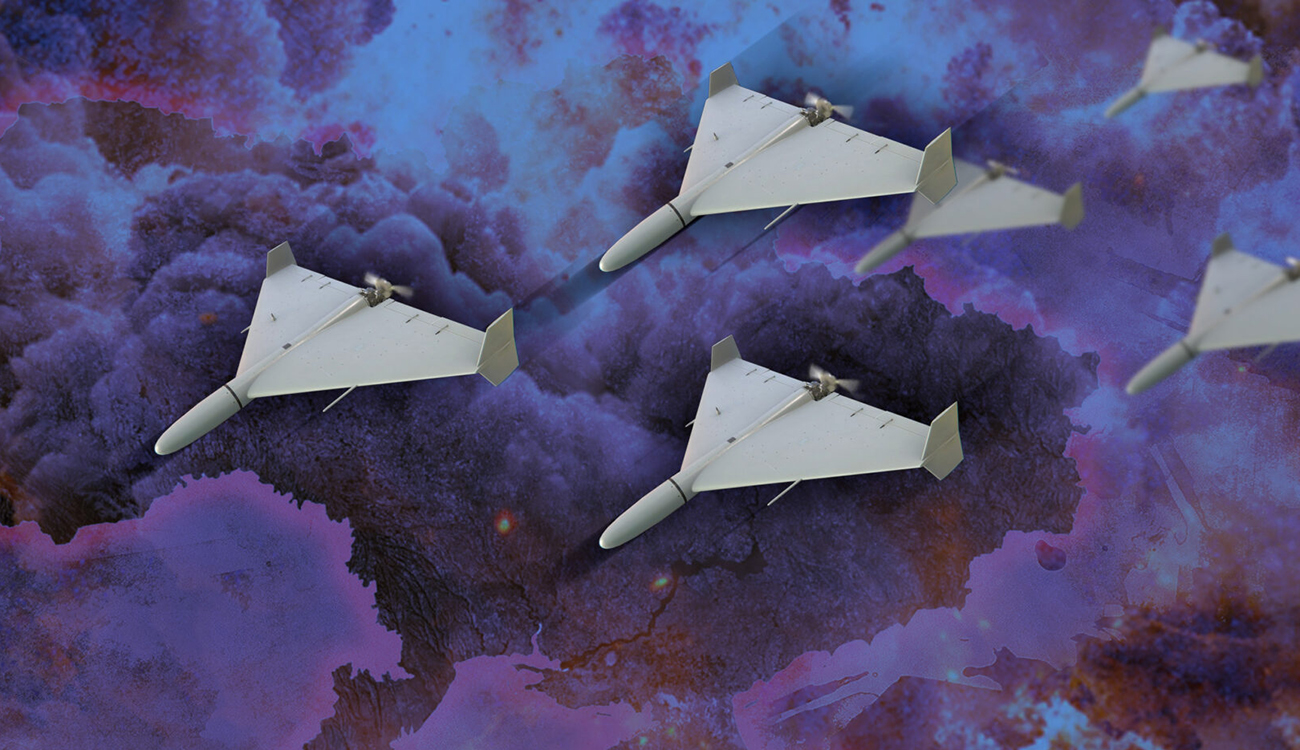
According to UATV: On February 22, 2024, Russia launched a massive assault on Ukraine, employing 345 aerial weapons, of which 297 were strike-capable unmanned aerial vehicles (UAVs). The primary targets of this attack were energy infrastructure facilities in Kyiv and the surrounding region. This large-scale offensive occurred against the backdrop of three key factors: the interval between attacks, prevailing weather conditions, and two public holidays in Russia. Strikes on energy infrastructure are a recurring tactic in this conflict, aimed at disrupting civilian life and industrial capacity during the winter months.
"The Russians need time to replenish missile stocks before deploying aircraft and loading missiles onto combat vessels."
— Expert Pavlo Lakiychuk
This indicates that preparing for such attacks requires not only time but also significant logistical resources. Lakiychuk also emphasized that
, which may signal a shift in Russia's military strategies."The concept of 'let's freeze the Ukrainians out' has finally arrived with the onset of winter and its severe frosts."
— Expert Pavlo Lakiychuk
Impact of Holidays on Military Activity
Additionally, the expert noted that Russia continues to observe 'this Soviet holiday' as a day for the Russian army. These holidays can influence military activity and strategic planning, as well as the overall situation in the region. The February 22nd attack represents another stage in the escalation of the conflict between Russia and Ukraine, underscoring the critical need to monitor military actions and their consequences for regional security. The timing of such offensives often reflects a combination of tactical, logistical, and symbolic considerations by the Kremlin.
This assault demonstrates the continuation of Russia's aggressive actions against Ukraine, particularly targeting its critical energy infrastructure. Concurrently, the strategic adaptation highlighted by experts, which aligns with seasonal conditions and internal holidays, may have long-term implications for the conflict's trajectory. Continuous monitoring of these events and their impacts remains vital for understanding the potential future developments in the region.
Read also
- Heavy Fighting in Donetsk Region: 19 Russian Assaults Recorded in a Single Day
- For the First Time, Ukraine’s Navy Granted Authority to Command NATO Mine-Countermeasure Forces
- Russia Seeks to Widen Combat Zones: Ukraine Stands Up Three New Brigades
- Russian Airstrike Hits Izium: Cargo Office of Nova Poshta Damaged by Guided Bomb
- Iran Blockades the Strait of Hormuz: Houthis Shut Down Bab el-Mandeb in 2026
- Five Fuel Trucks Destroyed in Ukrainian Strike on Russian Military Convoy in Luhansk