Ukrainian Energy Giant DTEK Loses Up to 70% of Capacity in Russian Strikes, Inflicting $70 Billion in Damage.

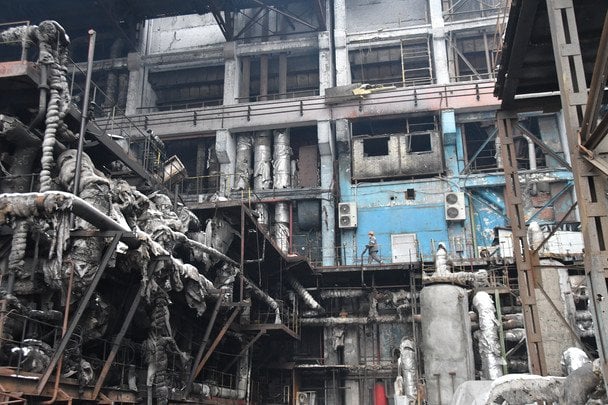
Systematic Assault on Ukraine's Power Grid
According to TSN.ua: Since the autumn of 2025, Russia has been conducting a sustained campaign of strikes against Ukraine's energy infrastructure. This ongoing assault, which is expected to continue throughout the 2025-2026 winter, has severely degraded the national power grid, leading to massive financial losses and a critical reduction in electricity generation capacity. These attacks represent a strategic effort to cripple Ukraine's industrial base and societal resilience during the coldest months.
Specifically, the attacks targeting facilities owned by Ukraine's largest private energy company, DTEK, have destroyed between 60% and 70% of its total power generation capacity. No Ukrainian power plant has been left unscathed by the bombardment. The financial toll from the damage to the energy sector is estimated at a staggering $64 to $70 billion, underscoring the sheer scale of the destruction.
Implications for Ukraine's Energy Security
Analysts from the Institute for the Study of War note that this intensified campaign of long-range strikes has significantly worsened the condition of Ukraine's energy network. The autumn and winter attacks are a deliberate Russian attempt to undermine the country's energy security and industrial potential. The situation remains critical, with these strikes continuing to have severe consequences for the nation's entire power system.
This crisis highlights not only the military but also the profound economic consequences of the conflict for Ukraine. The drastic reduction in power supply capacity threatens to trigger serious socio-economic problems, including rising energy costs and a decline in the population's quality of life. With winter being a peak period for energy consumption, the urgent need to restore and protect critical infrastructure has never been more apparent.
Read also
- Bread Prices in Ukraine Expected to Climb Up to 6%: What This Means for Food Costs
- Russia’s Budget Under Strain: Siluanov Announces Cuts to All Spending Except Military
- Ukrposhta Expands Parcel Locker Network to Five More Cities, Targeting Over 1,000 Units by 2026
- Russia Loses 400,000 Barrels of Oil Daily as Strikes on Refineries Cripple Its Economy
- Ukraine’s Luxury Property Tax: Who Faces a 25,000 UAH Surcharge in 2026
- Three Critical Deadlines for Ukrainian Entrepreneurs to Verify Work History with Pension Fund