Russia’s Budget Under Strain: Siluanov Announces Cuts to All Spending Except Military.

Russia’s Growing Fiscal Crisis
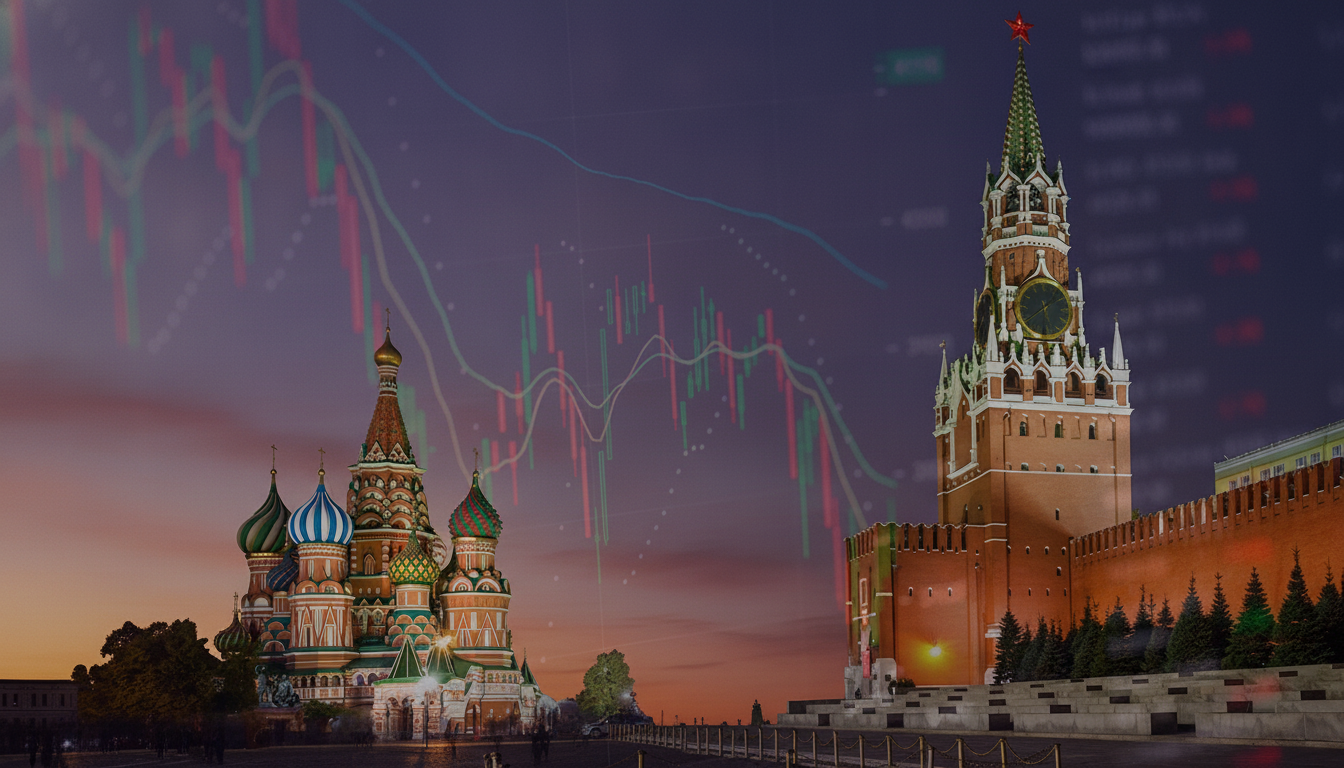
According to UATV: Russia is grappling with serious financial pressures driven by its ongoing war in Ukraine and the need to keep the economy afloat. At the St. Petersburg International Economic Forum, discussions have centered on the budget deficit and the urgent need to reduce expenditures. Russia’s Ministry of Finance has confirmed that budget cuts will apply to all areas except military spending. This signals that economic troubles are now beginning to affect the country’s war effort.
Iran Crisis Offers Temporary Relief, but Core Issues Remain
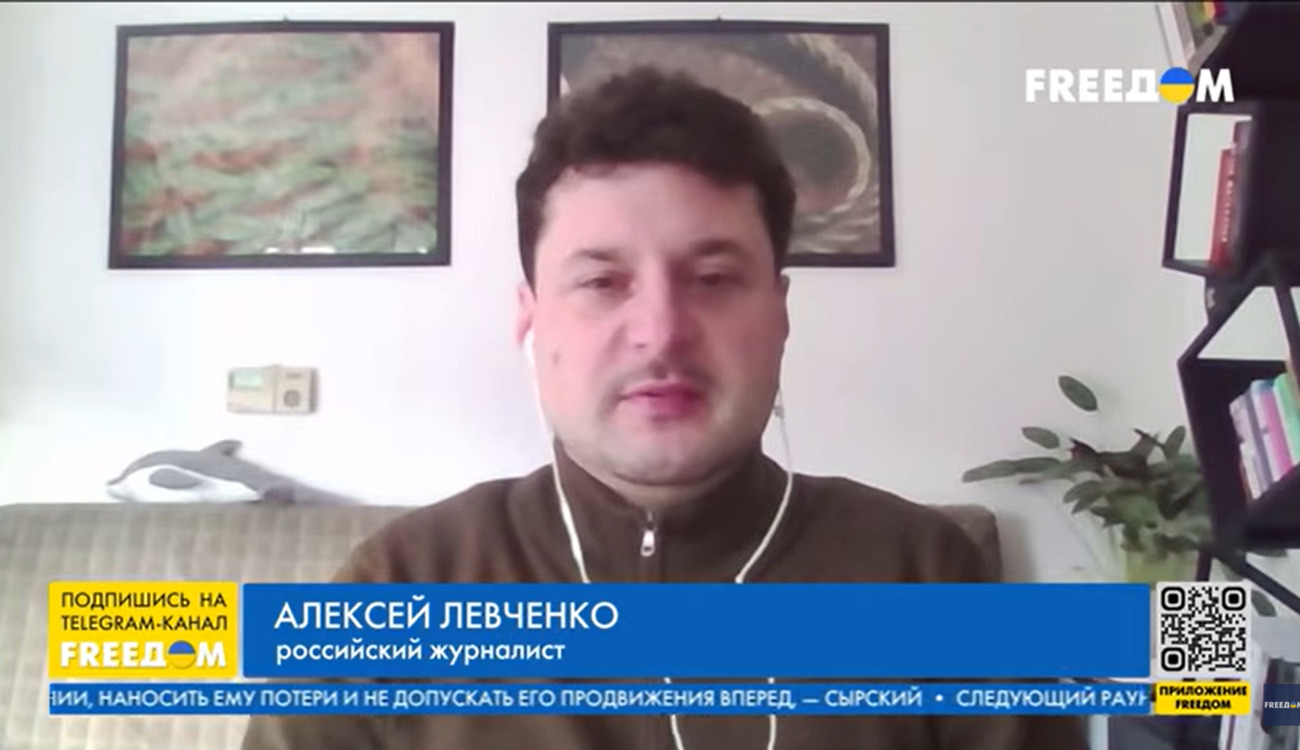
Economist Alexey Levchenko noted that 'the topic of Russia’s budget has been discussed extensively and in great detail for a long time. Everyone is talking about the deficit and the need to cut spending.' He also pointed out that 'the Iran crisis provided some support for the Russian budget—or rather, it slightly delayed the most serious difficulties until autumn and winter.' This suggests that the conflict in the Middle East has had a limited positive impact on Russia’s finances, but has not resolved the underlying structural problems.
Despite the temporary boost from the Iran crisis, Levchenko observed that 'economic problems are still affecting the military sphere.' Challenges have emerged in securing components for technological development, which could hinder future military operations and the advancement of new technologies. Levchenko also remarked that 'Russia’s information space has effectively split into two realities,' reflecting a growing disconnect between official narratives and on-the-ground challenges.
The Russian government appears to be downplaying these issues, acting as if 'none of this exists, there are no problems at all.' As a result, the country’s financial situation remains tense, and the government’s next moves could have serious consequences for both economic and military stability.
The financial difficulties Russia faces could significantly undermine its capacity to sustain military operations and pursue new technological innovations. By cutting non-military spending while preserving military outlays, the government seems intent on maintaining its armed strength despite mounting economic headwinds. This approach risks deepening domestic instability and escalating tensions on the international stage.
Read also
- Economist identifies Russia's point of no return: why it can never reclaim its place among global economic leaders
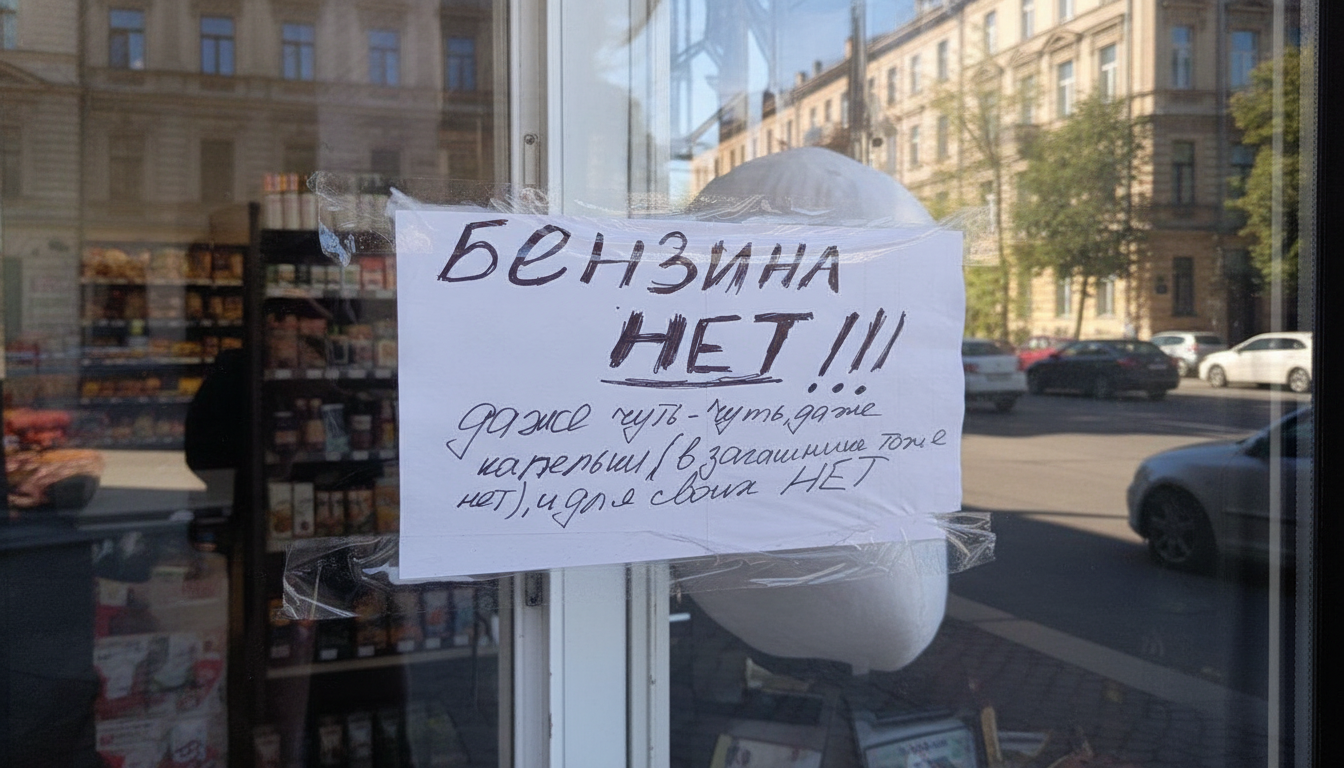
- Deadly Fuel Lines in Russia as Authorities Divert Gasoline to Moscow Amid Shortage
- Fuel Crisis Hits Russia: Military Gets Only 30% of Needed Supply After Ukrainian Strikes
- Russia Sets Record in Gold Sell-Off: What It Signals for the Economy
- Putin’s Economic Claims Exposed as Manipulation by Ukraine’s Disinformation Center
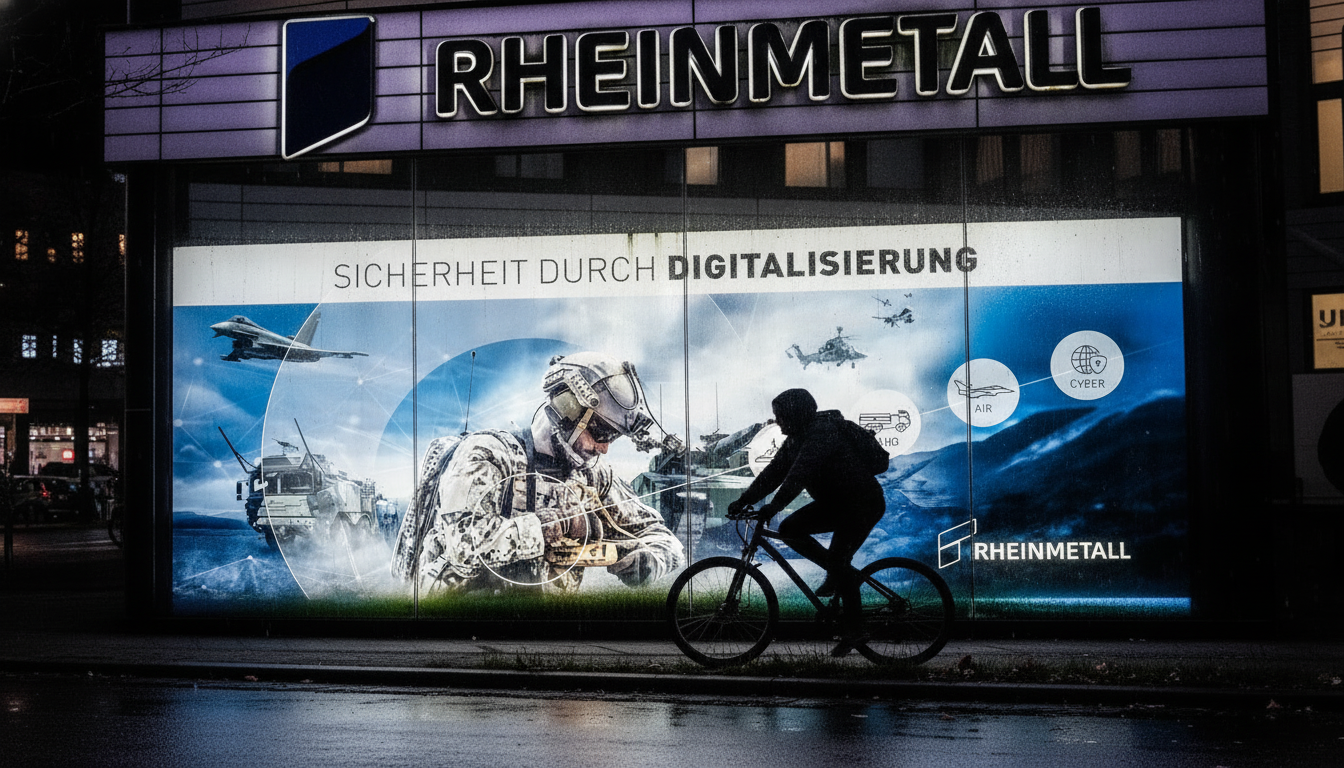
- Rheinmetall to Double Gunpowder Output: What This Means for Ukraine