New Tax on Digital Platform Income Approved by Ukraine's Parliament: What Changes Arrive in 2027.

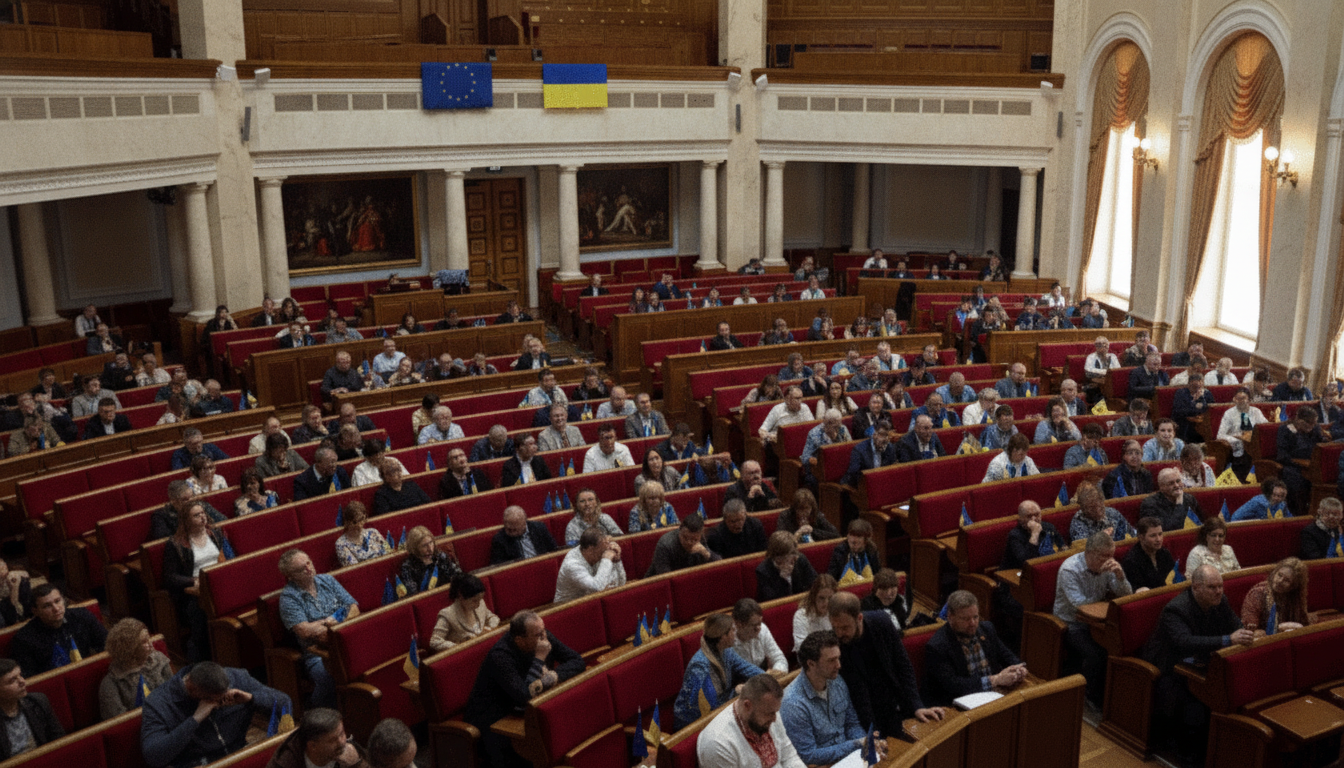
Parliament Passes Bill No. 15111-d on Digital Taxation
According to Novyny.live: On June 9, Ukraine's Verkhovna Rada passed Bill No. 15111-d, which introduces a new tax framework for income generated through digital platforms. The legislation received 241 votes in favor. Under its provisions, the updated taxation mechanism will not take effect until at least January 2027. It is worth noting that this bill is a requirement under the International Monetary Fund (IMF) program, making it a key step for Ukraine's continued financial cooperation with the global lender.
Key Tax Rules Under the New System
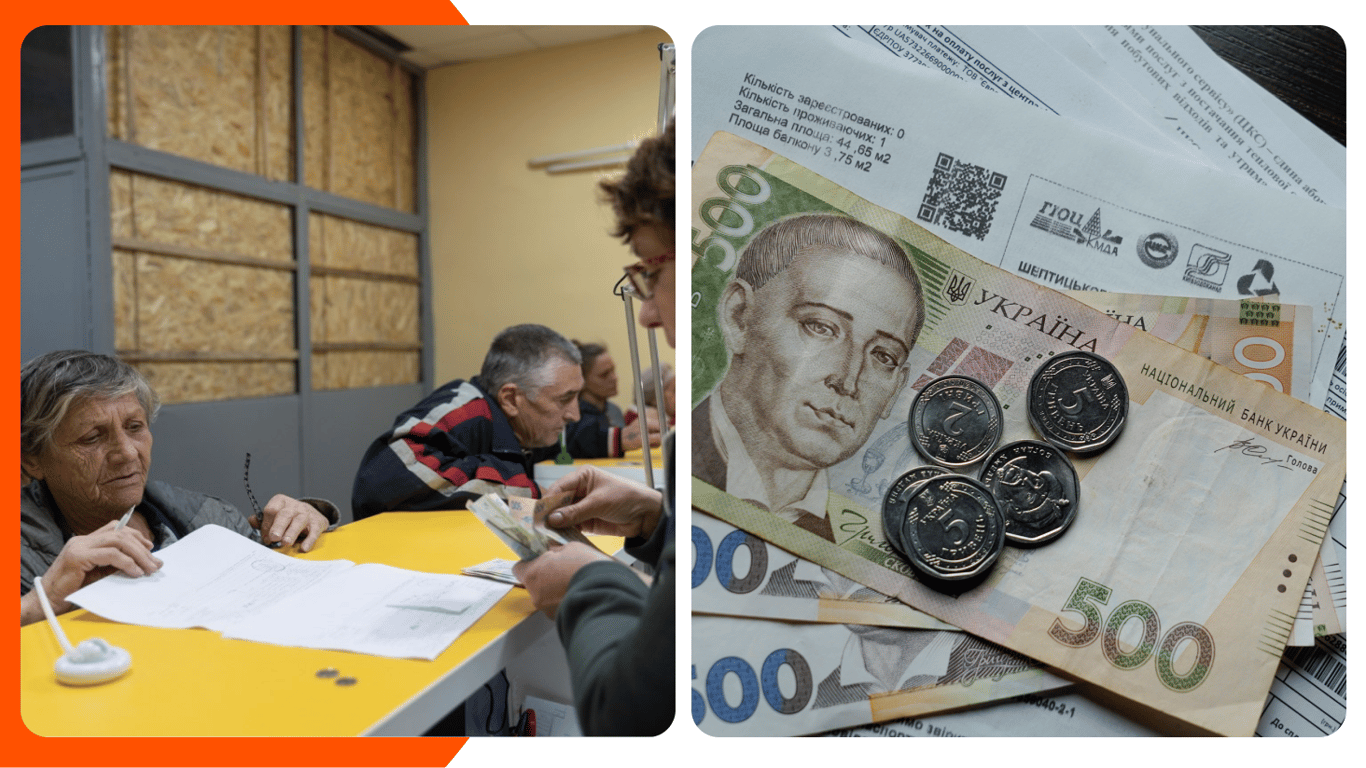
Under the new rules, online platforms will be required to withhold a 10% tax on user income. Notably, the military levy—currently applied to other earnings—will not be charged on digital platform income. This change aims to simplify tax obligations for users of digital services. At present, citizens pay 18% personal income tax plus a 5% military levy, for a combined rate of 23%.
The bill also establishes a preferential threshold for goods sold via online platforms: an annual limit of €2,000. This measure is designed to ease business operations for small entrepreneurs and individual sole proprietors. The legislation applies to both Ukrainian and international digital services, signaling the government's intent to align with the global digital economy.
As a reminder, a related bill amending the 2026 state budget passed its first reading on May 28. With the adoption of these new regulations, state budget revenues are projected to increase by more than UAH 2.2 trillion. This underscores the importance of these legislative changes for the country's fiscal stability and economic growth.
The passage of this bill could significantly reshape Ukraine's taxation landscape, particularly for small business owners who rely on digital platforms.
Reducing the tax burden and simplifying business conditions may boost e-commerce development and attract investment into this sector. Furthermore, fulfilling IMF conditions could strengthen the country's long-term economic stability.
Read also
- Fuel Shortage Drives Record Search Spike: Russians Desperately Google 'How to Make Gasoline'
- Strike on Russia’s Largest Oil Refinery Raises Fears of Fuel Shortages
- Ukrainian drones halt Russia's largest oil refinery, worsening gasoline shortages
- Over 1,000 New Weapons Systems Fielded by Ukraine, with 90% Domestically Produced
- Russia's Fuel Crisis: Government Spins Negative Impacts as Benefits for Citizens
- Water Bills Set to Surge in July 2026: Who Will See Their Subsidies Adjusted