Putin’s Approval Drops Below 30% as War Fatigue Grips Russia Ahead of Elections.

Growing Discontent in Russia’s Political Landscape
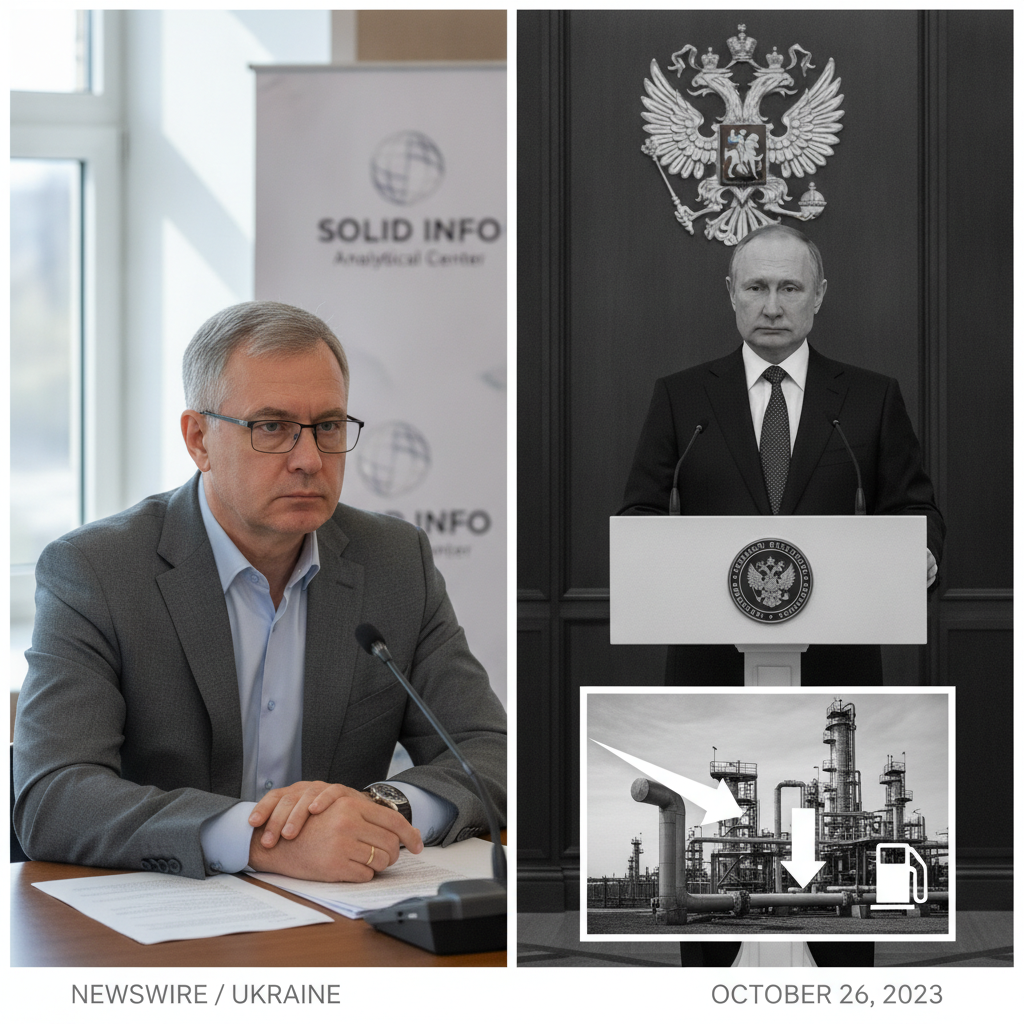
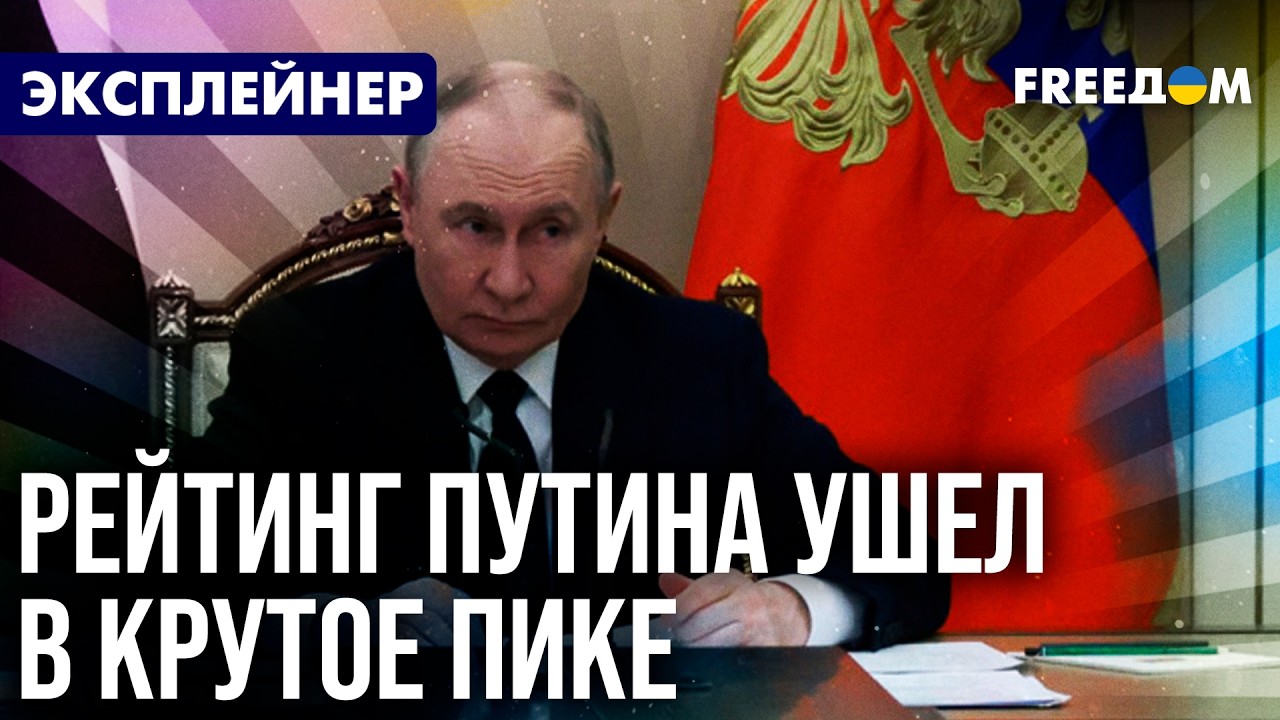
According to UATV: Amid mounting economic pressures and battlefield losses, dissatisfaction with President Vladimir Putin’s leadership is rising among both ordinary Russians and the elite. With parliamentary elections scheduled for September 2023, the political climate is set for a critical test of the government’s support. According to the Russian Public Opinion Research Center, trust in Putin has fallen below 30%, while backing for the ruling United Russia party continues to erode.
Economic Toll and Social Strains
The war against Ukraine, which began in early 2022, has cost Russian taxpayers an estimated 53.079 trillion rubles—equivalent to $746.6 billion. These staggering expenditures have fueled public anger as citizens grapple with financial hardship. Compounding the situation, mounting military casualties and deepening social issues have led experts to warn of potential unrest.
“If this situation persists, a social explosion and chaos become more likely,” said Vyacheslav Markhayev.
Russia’s Armed Forces currently number 2,399,130 personnel. However, international analysts suggest the Kremlin will soon face a fundamental choice:
“radically tighten its demands on the Russian economy and society, or scale back its military objectives,” noted Nigel Gould-Davies. This highlights that Russia’s political trajectory could shift if authorities fail to address public needs.
Meanwhile, calls to end the war and pursue peace talks are growing louder. Ukrainian President Volodymyr Zelenskyy stated, “The war must end, and a fair peace must be negotiated with Ukraine.” Estonian Prime Minister Kaja Kallas also emphasized, “We are witnessing an escalation of Russian attacks,” urging a ceasefire and the start of negotiations.
As a result, Russia’s political situation remains tense, and the upcoming parliamentary elections could prove pivotal. Economic woes and social unrest threaten the stability of the current regime, which will need to confront the challenges facing the country.
The approach of the State Duma elections may significantly reshape Russia’s political landscape, as public dissatisfaction grows amid economic difficulties and military setbacks. If the downward trend in support for the government and United Russia continues, major shifts in the political arena could occur. At the same time, international appeals for peace negotiations might introduce new dynamics in Russia-Ukraine relations, further influencing Kremlin domestic policy.
Read also
- Ukraine to Receive UK's Stone Cloak Technology for Countering Russian Air Defenses
- Ukraine's Leader Lands in US for Trump Talks and Graham Funeral: Key Issues on the Agenda
- On July 28, Ukrainian President Zelenskyy will meet with Donald Trump at the White House to discuss peace efforts
- Washington Visit: Zelenskyy to Meet Trump and Pay Tribute to Senator Graham
- Defense Boost Focus of Zelensky’s July 28 US Trip for Trump Meeting
- Details of Zelensky’s Washington Visit as He Attends Funeral of Sanctions Bill Sponsor Lindsey Graham