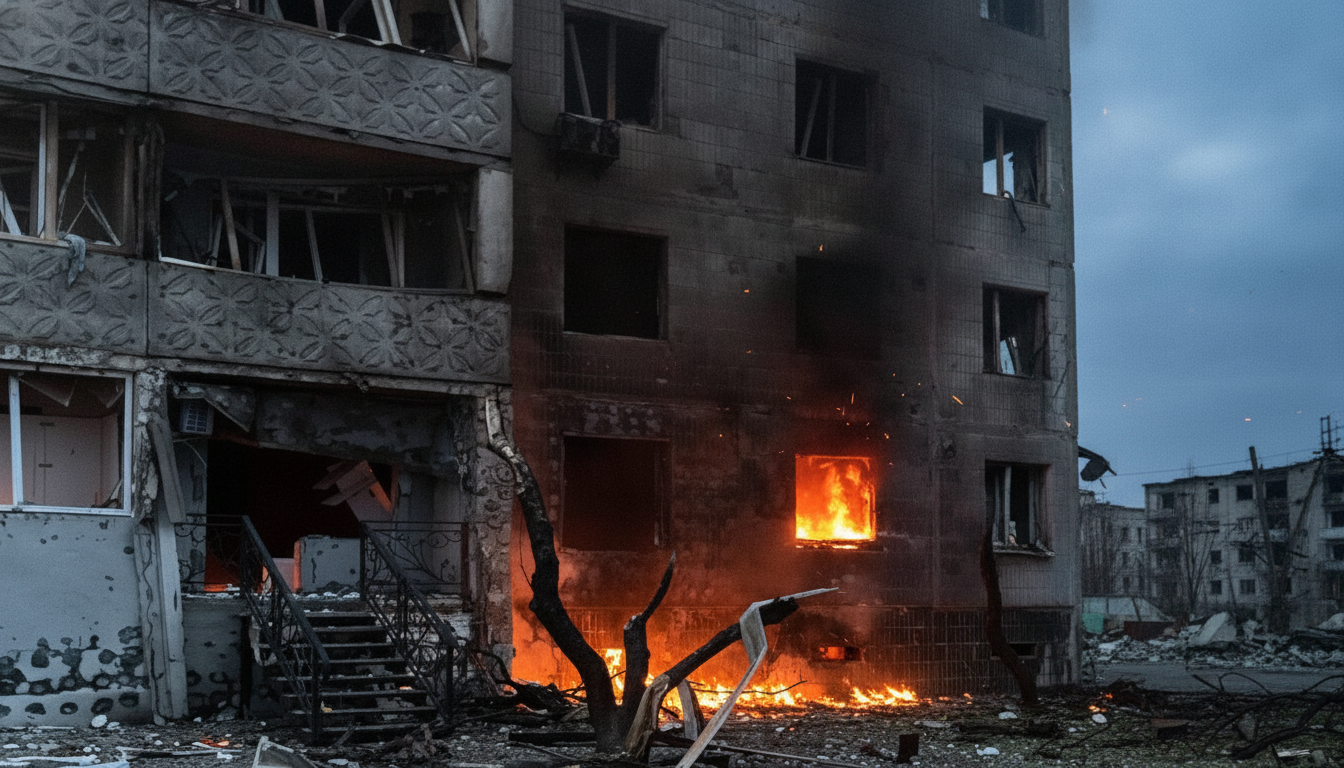
Up to 300 Russian Soldiers Lost Daily in Lyman Sector as the Key Target Remains the Sloviansk-Kramatorsk Agglomeration.

Current State of the Sloviansk-Kramatorsk Agglomeration
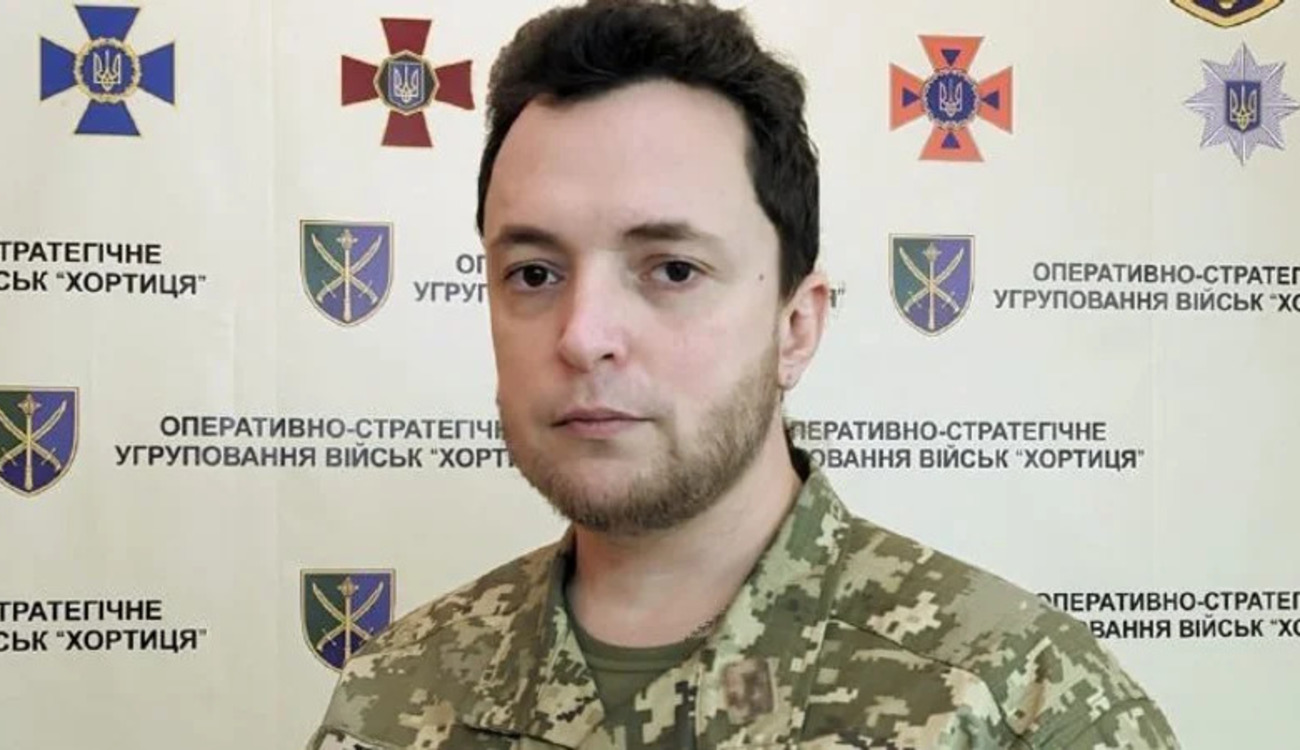
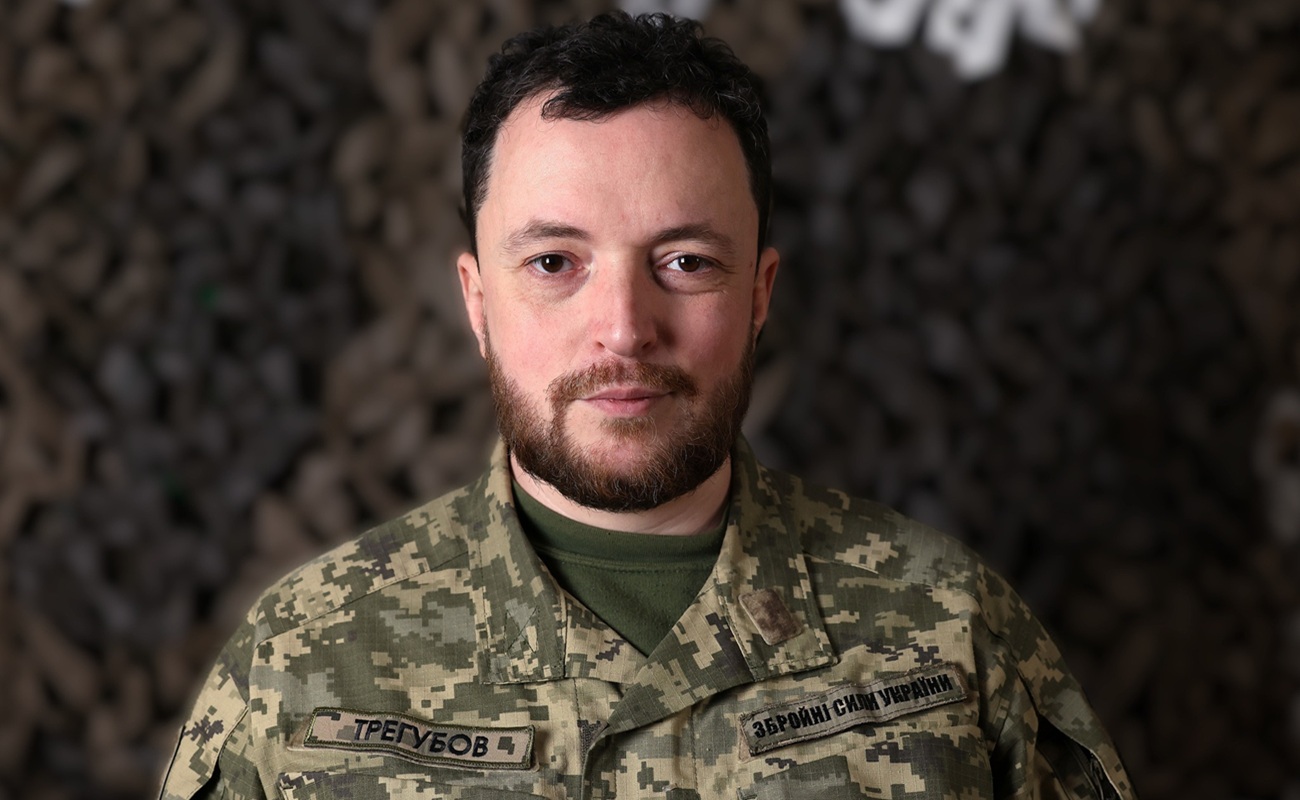
According to UATV: The primary objective of Russian forces is the Sloviansk-Kramatorsk agglomeration, specifically the towns of Yampil and Lyman. According to a spokesperson for the Joint Forces Group of the Ukrainian Armed Forces, Russian troops are attempting to expand their salient north of Lyman, an effort that is coming at a heavy cost. In the Lyman direction, Russian losses now range between 250 and 300 personnel per day. Viktor Tregubov noted that earlier casualties stood at 150–200 daily, indicating a significant escalation in the scale of combat operations.
Increased Combat Activity
On June 29, a total of 227 battles were recorded on the front line, with the number of combat engagements rising by one and a half times compared to previous periods. Fighting has intensified, particularly in hot zones such as Huliaipole and Sloviansk. In the Lyman sector alone, Russian forces launched 11 attacks, underscoring the heightened intensity of the conflict in this area.
“It seems they are still feeling the constraints of their own resources.” — Viktor Tregubov
As a result, the situation around the Sloviansk-Kramatorsk agglomeration remains tense, marked by active hostilities and significant losses on both sides. The observed increase in the number of battles and assaults indicates that the conflict in this region is far from easing.
This latest development highlights that both sides continue to suffer serious casualties, which could shape their future military strategies. The growing intensity of the fighting reflects a worsening situation on the front, emphasizing the strategic importance of controlling key settlements in this area. With the Russian army facing resource limitations, further actions may require both sides to reconsider their tactical approaches. This region remains a critical focal point in the broader war, where control over urban and logistical hubs could determine the next phase of the campaign.
Read also
- Russian Strikes Hit Six Ukrainian Regions, Leaving Dead and Dozens Wounded
- Ukrainian Forces Destroy 28 Tanks and 78 Artillery Systems in One Day: Russia's Latest Military Losses
- July 23 Russian Strike on Ukraine: How Many Targets Were Neutralized
- 13 Russian Vessels Destroyed by Ukrainian Drones in 48 Hours: Inside the 'MoLoChKa' Operation
- Russia Loses Up to 270 Soldiers Per Day on the Lyman Front, Setting a New Record
- Civilian Toll Rises: 11 Killed in Three Days as Russian Strikes Hit Hospitals and Homes