French University Trains Spies: How Students Learn Alongside Secret Agents.

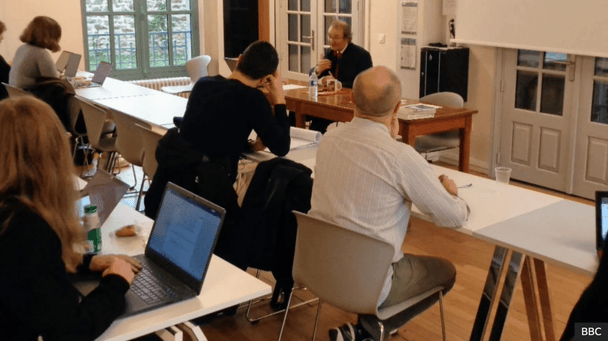
According to ТСН: The French university Sciences Po Saint-Germain has become an important educational institution for training intelligence personnel. Here, law enforcement officers train alongside students, and sometimes teachers do not know who their protégés are. The university does not accept Russian and Israeli women.
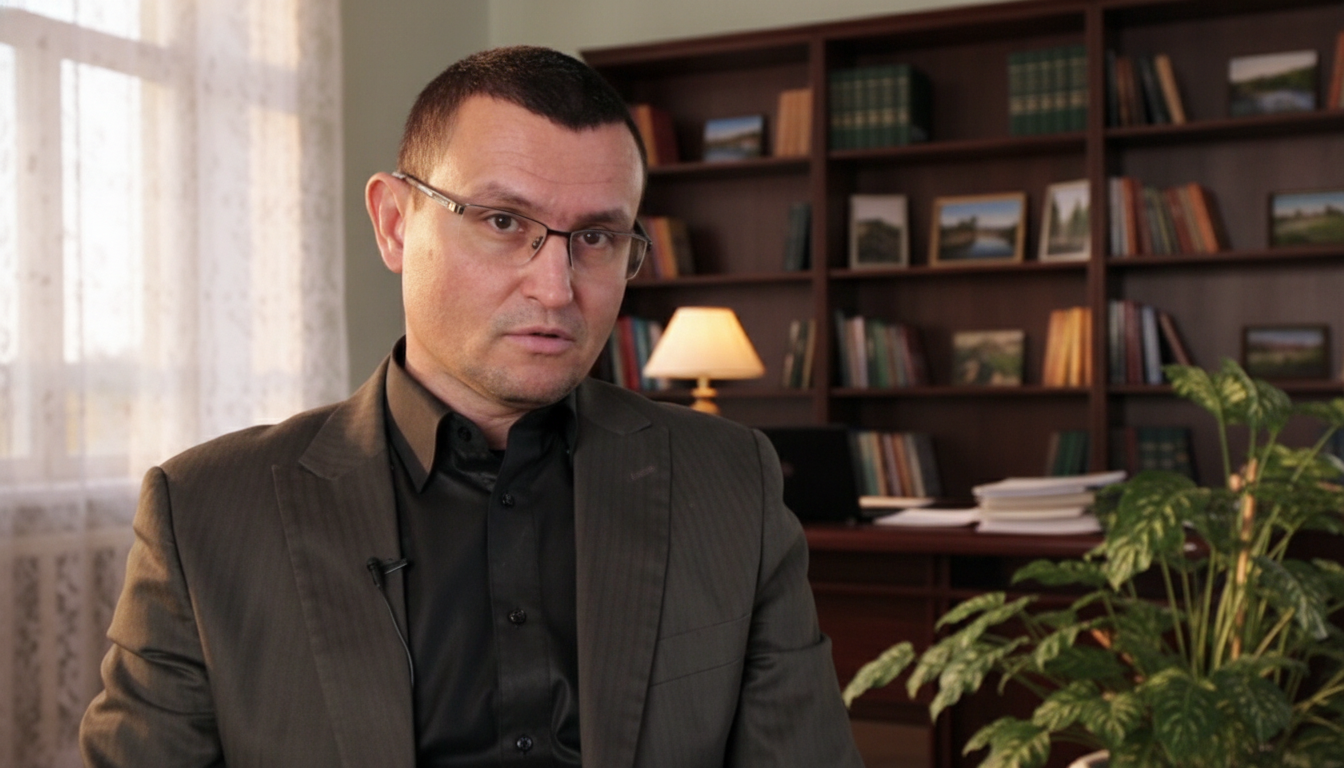
Professor Xavier Crettiez notes that many of his course attendees remain anonymous. Although this is unusual for an academic environment, the professor actively engages in training agents for French intelligence agencies.
“I rarely know the backgrounds of law enforcement officers sent to the course, and I generally doubt that the names they provide are real,” notes the professor.
Educational Program for Spies
The university offers a unique educational program that combines young students with experienced intelligence officers. The course 'Diploma in Intelligence and Global Threats' has been developed in collaboration with the training unit of the French intelligence service — Académie du Renseignement.
The program was established at the request of the government about ten years ago, following the terrorist attacks in Paris in 2015, when the decision was made to bolster recruitment in the intelligence services.
For students and attendees, who study for 120 hours over four months, participation in the course costs about 5000 euros. The main goal of the program is to teach how to recognize threats in various environments.
French Intelligence Services Have Significantly Grown
Professor Crettiez reports that in recent years, French intelligence agencies have significantly expanded, and now there are about 20,000 agents working in the 'inner circle.'
Among the main structures are DGSE (external intelligence service) and DGSI (internal security), which deal not only with counter-terrorism but also various other issues such as money laundering.
“In addition to the two main intelligence services, there is also Tracfin — an intelligence agency specializing in money laundering. It is concerned about the rise of mafia activity,” explains the professor.
Who Teaches the Program for Spies?
The course is taught by employees of various intelligence agencies, including those who have worked in Moscow, as well as experts from the private sector. Interest in the program from large companies is growing as they seek opportunities to enhance the skills of their security services.
Graduates Are Recruited by Louis Vuitton and Dior
Recently, graduates of the program have been recruited by companies such as Orange, Thales, and LVMH, which includes brands like Louis Vuitton and Dior. This year, 28 students are enrolled in the program, six of whom are active intelligence officers.
Almost Half of the Students Are Women: Russians and Israelis Are Not Accepted
About half of the students in the course are women, which is a new trend. Professor Laurent notes that women are increasingly interested in intelligence and believe in the possibility of changing the world for the better.
“The interest of women in intelligence activities is a new phenomenon. They believe they can change the world for the better,” he notes.
To enroll in the program, one must have French citizenship, although in certain cases, dual citizenship is allowed. Professor Crettiez emphasizes that he is always vigilant regarding candidates.
“I regularly receive applications from very attractive Israeli and Russian women with impressive resumes. It is clear that they immediately go into the 'no' pile,” he said.
Despite romantic notions about working in intelligence, the professor emphasizes that most positions in French intelligence agencies involve desk jobs.
The highlighted situation indicates a state effort intensification in preparing personnel for intelligence, particularly by engaging youth in specialized courses. This not only contributes to improving security in France but also fosters new trends in education and professional training in the field of intelligence. Global threats require modern training methods, and the university Sciences Po Saint-Germain demonstrates how traditional education can be adapted to meet the security needs of the country. Collaboration with state agencies strengthens the connection between academia and practice, albeit with certain restrictions on candidates.
Read also
- Frontline Dynamics Shift: Chongar Bridge Destroyed, FP-5 Flamingo Missiles Deployed for the First Time
- Iran Identifies New Retaliatory Targets for Strikes Against the US: Bases in Three Nations
- Fuel Shortages and Logistics Nightmares Hit Russian Forces in Crimea After Ukrainian Strikes
- 530 Drones and Missiles Launched by Russia Against Ukraine in Three Days: Dozens Injured
- Japan Aims to Replace 14 Nuclear Reactors by 2050 in First Major Plan Since Fukushima
- Oil facilities in three Russian regions ablaze after Ukrainian strike