Russia’s Banking System Loses 2.5 Tons of Cash Each Day: What’s Behind the Drain.

Cash Exodus from Russian Banks Intensifies
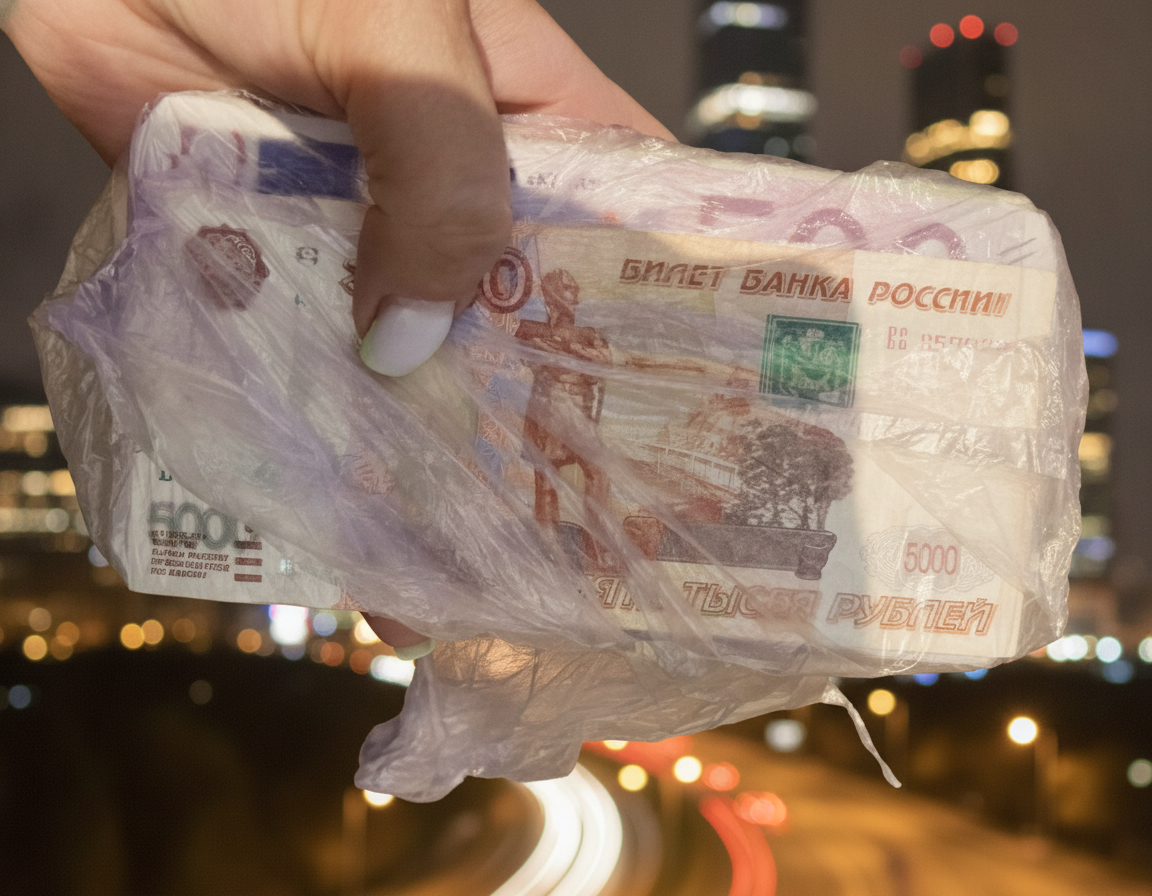
According to Espreso.tv: For five consecutive months, Russia’s banking system has been grappling with a severe cash outflow. The daily loss now exceeds 2.5 tons—equivalent to roughly 13 billion rubles. Between February and June, the total volume of cash in circulation surged by 1.903 trillion rubles, alarming economists and financial analysts. This ongoing trend suggests that both consumers and businesses are hoarding physical currency, likely reflecting growing unease about the country’s economic stability.
The average monthly outflow has hit 380.7 billion rubles, with a record peak in April at 607.3 billion rubles. Such figures point to a deepening crisis of confidence, as people increasingly opt to hold their savings outside the formal banking system. For context, this shift comes amid broader financial pressures in Russia, including sanctions and inflation concerns, which have eroded trust in traditional deposit channels.
Analyst Taras Skvortsov remarked: 'The rise in cash circulation is a deeply troubling sign.'
He also noted, 'We are not seeing any growth in cash collection or deposits through self-service devices, ATMs, or terminals into the banking system.' This observation underscores that citizens are deliberately sidestepping banks, preferring to keep their money in hand rather than in accounts.
Fees on Cash Deposits Emerge in Neighboring Countries
In a related development, eight banks in Belarus have introduced fees of 2–5% for non-residents depositing ruble cash into accounts. Kazakhstan’s Bank CenterCredit has similarly imposed a 5% charge for accepting rubles, and Kyrgyzstan’s EcoIslamicBank has set a fee for SWIFT transfers involving the currency. These measures could further influence cash circulation patterns and regional financial stability, as they may discourage the use of rubles across borders. The situation highlights not only domestic distrust but also spillover effects on neighboring economies, where banks are taking precautions against potential risks tied to the Russian currency.
Read also
- Russia’s Oil and Gas Revenue Set to Surge by 60%—Here’s What’s Driving the Jump
- IMF Disburses $690 Million Second Tranche to Ukraine: Where the Funds Are Going
- Russia’s Budget Deficit Could Hit 7 Trillion Rubles—What Are the Default Risks?
- Expert Sets Critical Threshold: 60% of Russia's Oil Refining Capacity Must Be Destroyed
- Russia Faces Imminent Fuel Crisis: Why Refinery Recovery Is Nearly Impossible, Expert Warns
- Economist identifies Russia's point of no return: why it can never reclaim its place among global economic leaders