Russia's Economy Stalls: Why Military Spending Fails to Avert Crisis.

The State of the Russian Economy by Late 2025
According to UATV: By the end of 2025, Russia's economy faces severe difficulties due to its pivot toward military production. Economic growth has fallen below one percent, effectively stalling the economy. Analysts highlight soaring military expenditures, which far outpace the struggling civilian sector, where output has plummeted by 15-18%. This situation illustrates the long-term economic distortions caused by a war-focused industrial policy.
Core Issues
A critical problem is a severe labor shortage in non-military industries. Higher wages offered for defense contracts are drawing workers away, crippling civilian manufacturing and services.
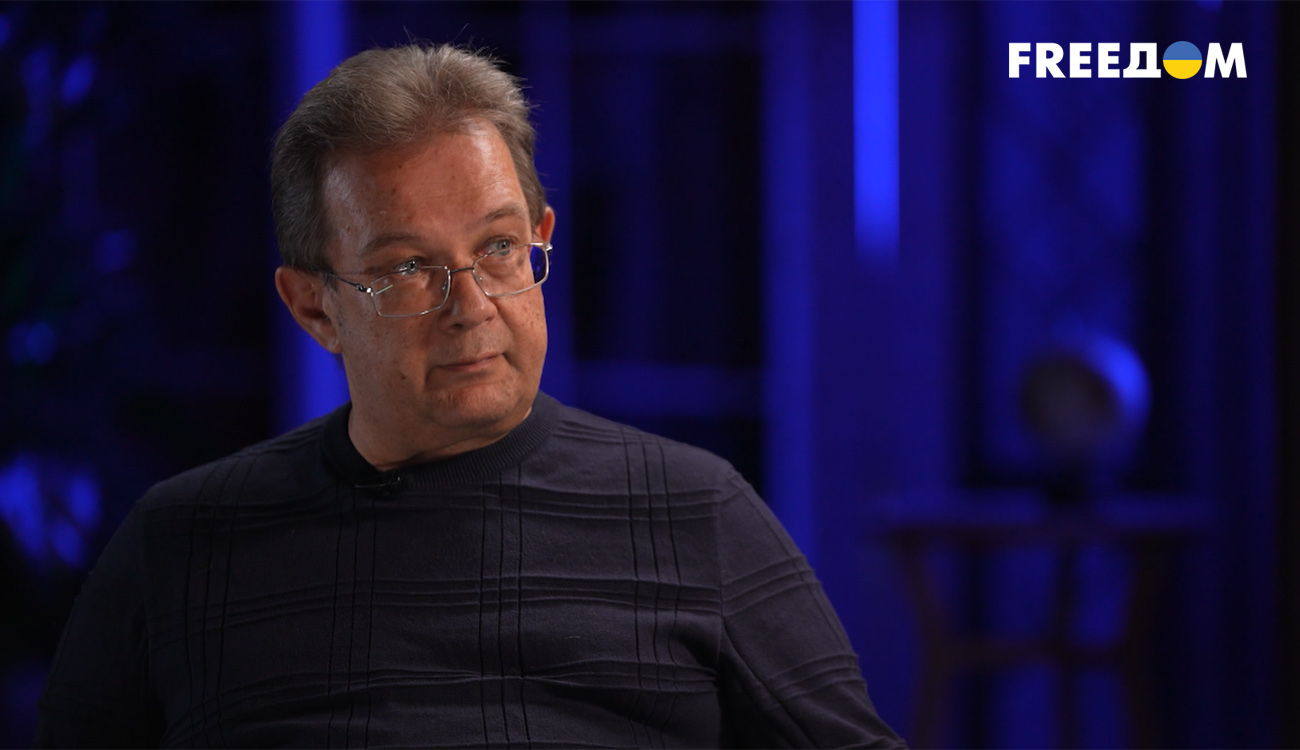
Oleg Pendzin observes: 'If you expand one sector of the economy, you take the labor force from somewhere else.'
This dynamic confirms that growth in one area is occurring at the direct expense of others, creating a zero-sum situation within the domestic economy.
Russia's technological capacity is another major concern. A significant portion of its manufacturing relies on supplies from China, jeopardizing the independence of its industrial base. Pendzin stresses that 'the Russian military-industrial complex is genuinely incapable of producing goods without dual-use components.' This reliance indicates that Russia cannot sustain its military and industrial output without imported technology, leaving it vulnerable to external pressures.
In January 2026, the financial health of Russian enterprises deteriorated sharply, further complicating the economic outlook. Therefore, the combination of rising military spending, a collapsing civilian sector, and dependence on Chinese imports paints a grim picture for Russia's economic future. These factors point to deep-seated structural problems likely to have lasting consequences for the nation's economy. Stagnation in civilian industries and reliance on foreign technology threaten to erode the country's global competitiveness.
Amid escalating military costs and dwindling investment in civilian sectors, Russia is likely to encounter significant obstacles in achieving stable economic development in the near term.
Read also
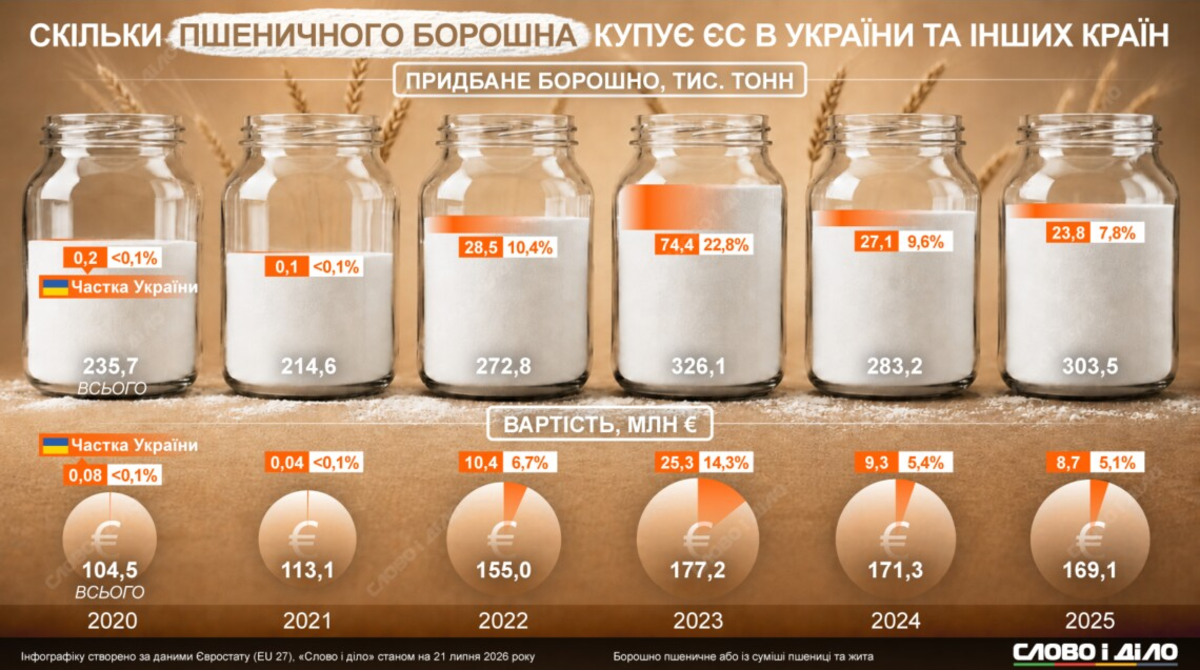
- Ukrainian Flour Exports to the EU Surge 119-Fold: What Drove the Growth
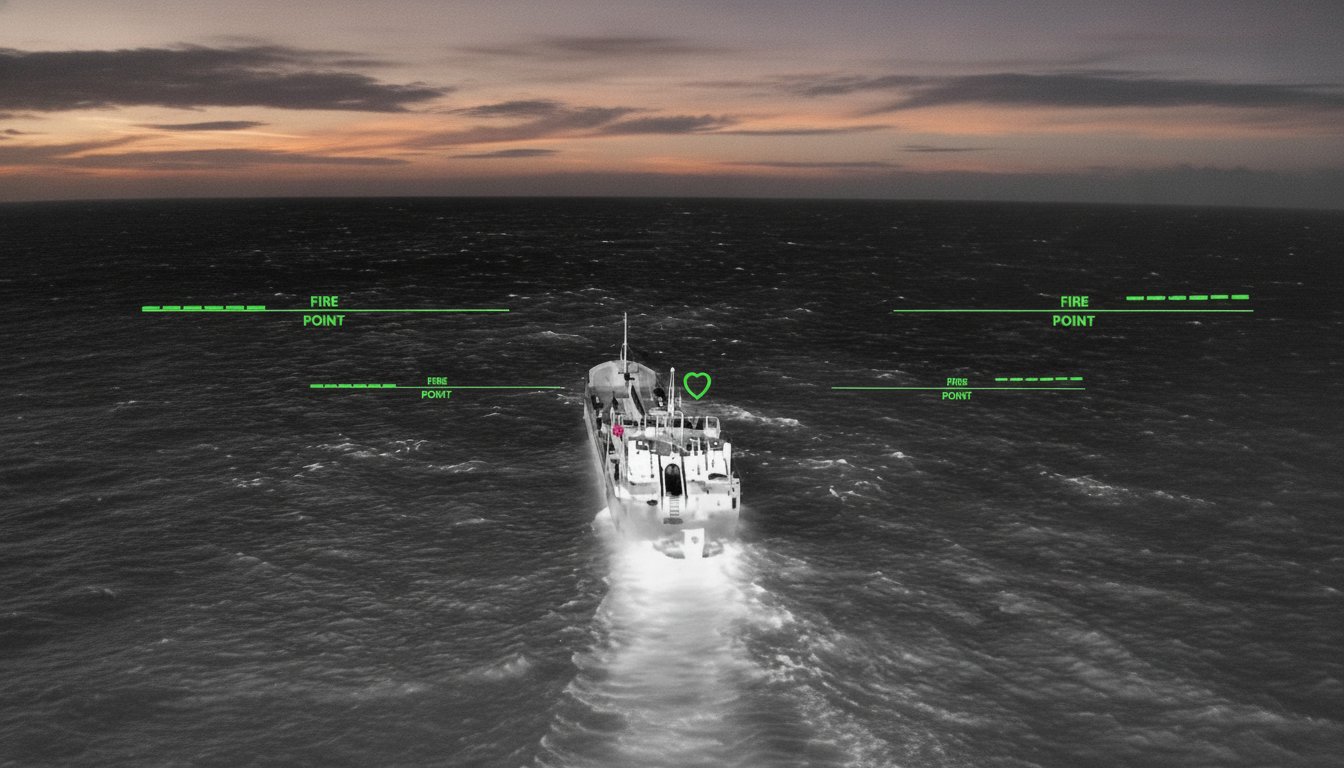
- Russia’s Weekly Revenue Losses Top $1 Billion After Ukrainian Drone Strikes on Maritime Routes
- 50% Tariffs Imposed by Trump on Canadian Goods: Automobiles, Alcohol, and Dairy Hit Hard
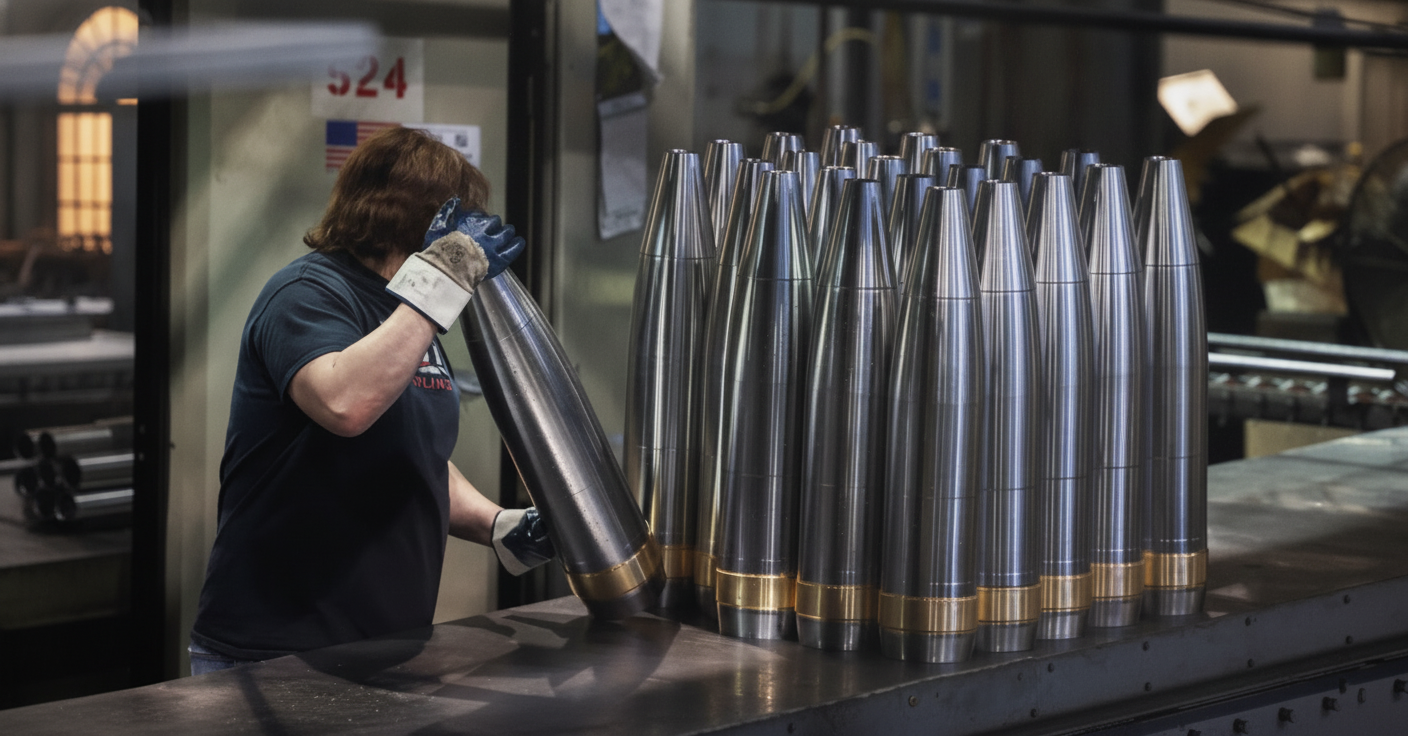
- Cotton Shortage Hits NATO Gunpowder Supply: Europe Rushes to Scale Up Production
- Ukraine Receives $690 Million IMF Tranche: Total Aid Reaches $2.2 Billion
- Ukraine Gets $2.2 Billion IMF Nod, But a Key Reform Delay Holds Up the Payout