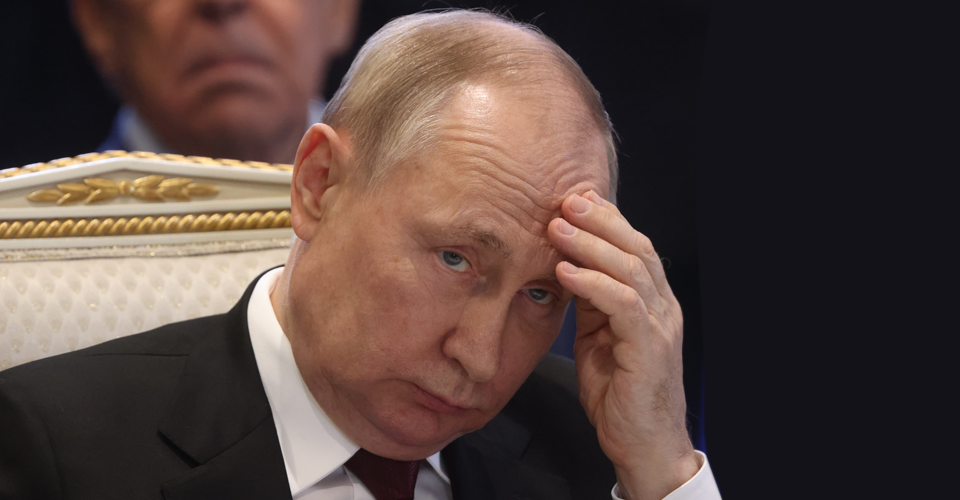
Russian Regions Plunge Into Poverty: Debt Hits $10 Billion.

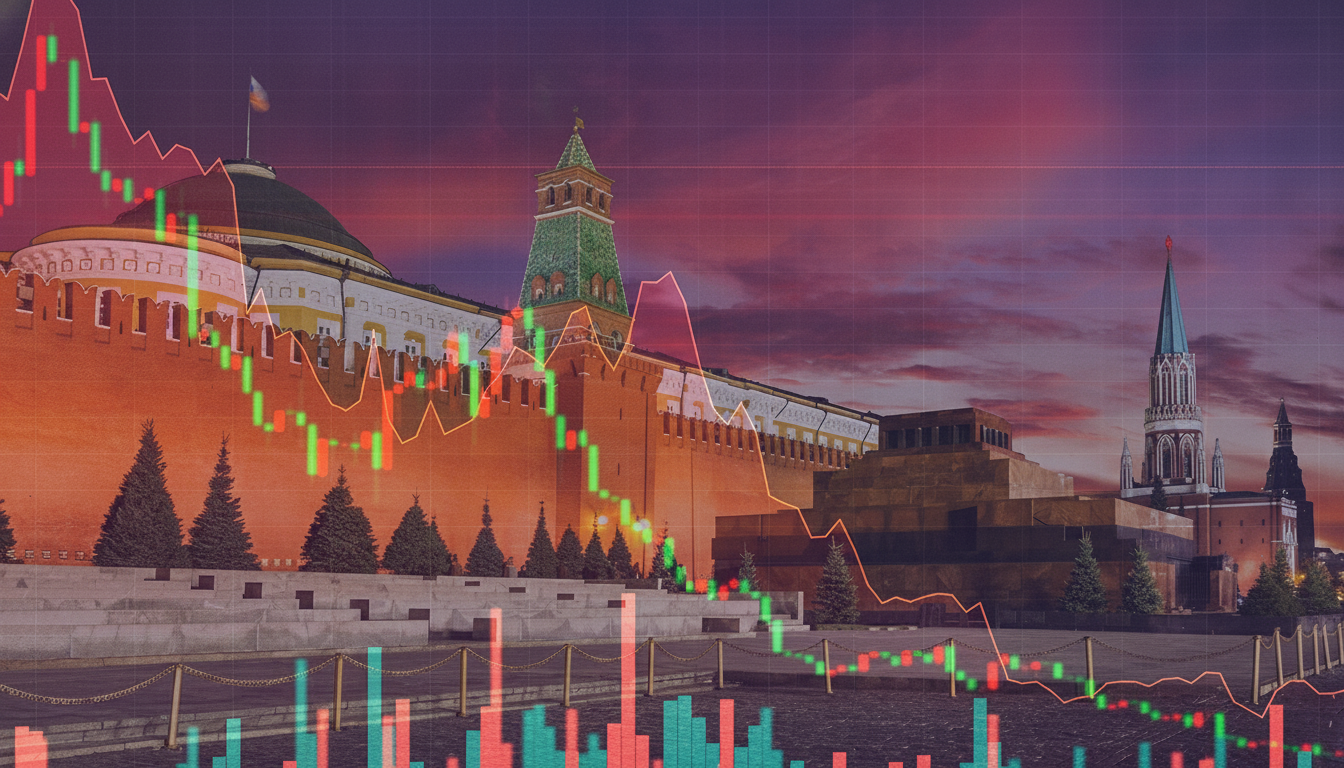
Russia's Economic Woes Deepen
According to UATV: Russia's economy remains under severe strain as regional financial troubles mount, debt levels climb, and military spending strains the federal budget. In the first five months of 2023, the country's budget deficit exceeded 6 trillion rubles, signaling deep fiscal distress. Meanwhile, drone strikes have inflicted over 1 trillion rubles in losses on the Russian oil industry, compounding the challenges.
During the first quarter of 2026, Russia's regional budget surpluses dropped to a five-year low, shrinking by a factor of 2.5. Currently, 56 out of Russia's regions are facing cash shortages. Budget deficits have been recorded in 39 regions, while the total debt owed by Russian regions to financial institutions has surged to $10 billion.
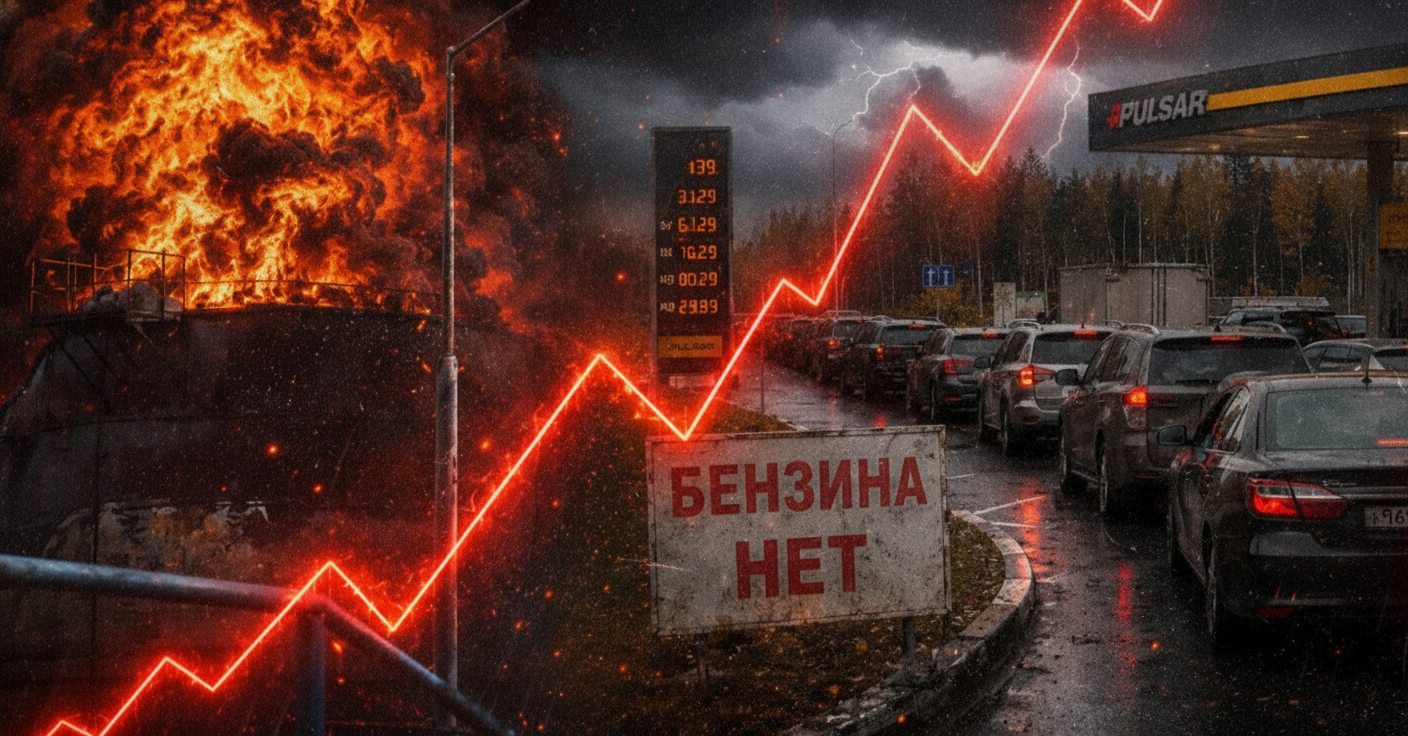
Military expenditures have reached 20 trillion rubles, further destabilizing the national economy. Domestic gasoline production has fallen by 25% compared to last year, highlighting serious disruptions in the energy sector. Thirteen major oil refineries have either fully or partially halted operations, and the airline 'Azimuth' has reported a shortage of aviation fuel.
Outlook for the Economy
Experts warn that conditions could worsen.
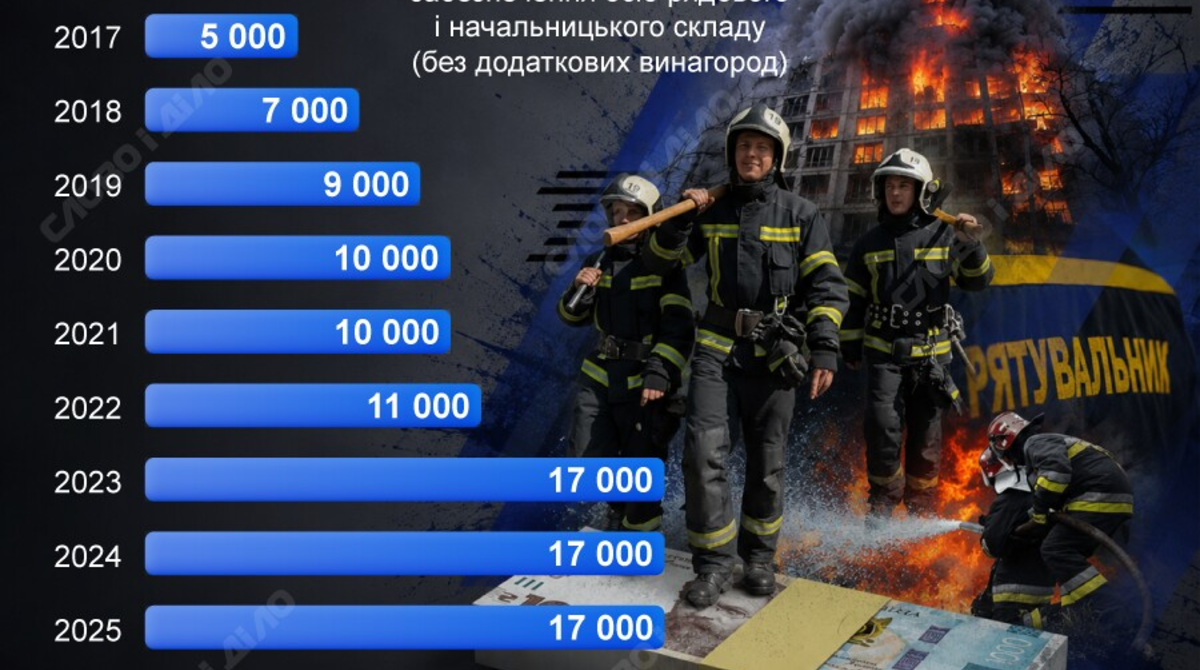
Vyacheslav Shiryaev notes: 'Russian authorities will not be able to cut anything from the budget because there is nothing left to cut.'This underscores the lack of room for spending reductions in the state budget. Ukraine's Foreign Intelligence Service has pointed to the absurdity of signing new decrees to expand the Russian army's staffing levels amid what it calls a 'shameful situation in the Russian Federation regarding public protection from crime and fire safety.'
Dutch Prime Minister Mark Rutte remarked that
'we see that the Russian economy is currently going through tough times, and Ukrainians are striking effectively against energy infrastructure.'This confirms that Russia's economic troubles stem not only from internal factors but also from external pressures.
In summary, the current economic situation in Russia is marked by significant financial hardship, rising regional debts, and the heavy toll of military spending on the budget, raising concerns about the country's economic trajectory.
The ongoing economic crisis in Russia could have serious consequences for both domestic stability and foreign policy. Growing regional debts and shrinking budget revenues may fuel social tensions, potentially impacting the political landscape. At the same time, declining energy production and massive military outlays threaten not only economic growth but also Russia's ability to sustain its military ambitions. This underscores the importance of international policy in addressing the economic challenges Russia faces.
Read also
- Who Else Resigned After Fedorov's Dismissal as Defense Minister?
- Trump Predicts Ukraine War Will End During His Presidency, Says Putin Ready for a Deal
- Putin Is Losing the War and Faces a Tough Choice, Expert Warns
- New Security Guarantees for Ukraine on the Agenda as Rutte and Zelensky Meet in Paris on July 13
- NATO Greenlights New Defense Strategy: $70 Billion for Ukraine and Push for 5% GDP Spending
- NATO Brands Russia the Primary Threat as AI-Powered MSS Platform Revolutionizes Military Command