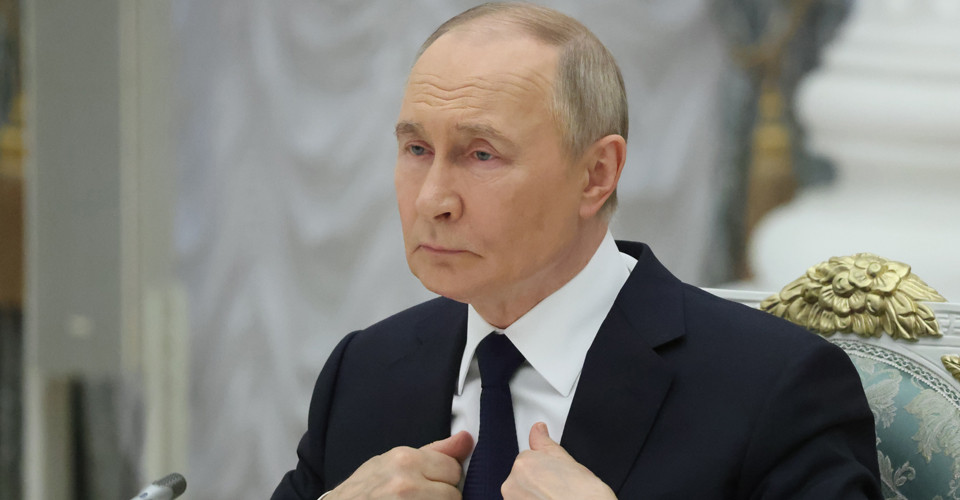
Russia’s Economy Isn’t Headed for a Sudden Collapse, Analyst Says, Drawing Parallels to Post-War Britain.

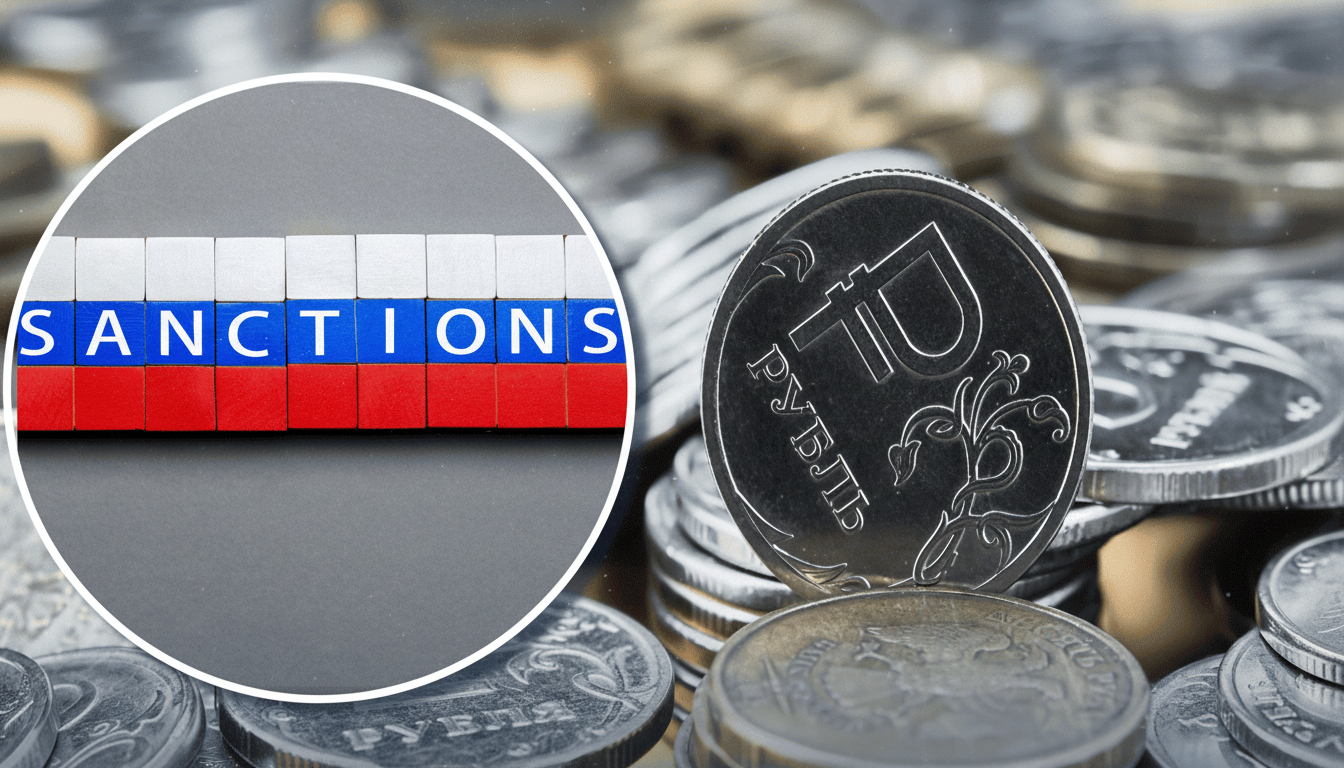
Current State of Russia’s Economy
According to Novyny.live: Despite ongoing sanctions and a fuel crisis, financial analyst Oleksiy Kushch argues that Russia’s economy is not on the verge of an imminent collapse. He draws a comparison to the United Kingdom after World War II, when the country relied on rationing for fuel and food. According to Kushch, claims that the aggressor’s economy is already on its last legs and could crumble within the next two to three months are simply not grounded in reality.
“I believe these expectations are greatly exaggerated. They are driven by emotion and irrationality, not by solid analysis,” said Oleksiy Kushch.
Kushch emphasized that current predictions of a rapid economic downfall for Russia lack a basis in real analytical data.
Historical Context and Ukraine’s Response
It is worth noting that the United Kingdom first introduced fuel rationing in 1940, with those restrictions lasting until 1950. Food rationing, meanwhile, was not lifted until 1954. Kushch suggests that this historical experience offers a relevant parallel to Russia today, where economic hardships are unlikely to trigger an immediate collapse.
Meanwhile, Ukraine has introduced a new feature in the Diia app that allows citizens to officially document job loss due to the war. The beta testing of this service, which enables users to record income loss after February 24, 2022, is now underway. Ukraine is also expanding options within the same app to help citizens report damages through the international Register of Damages.
These steps reflect Ukraine’s efforts to adapt to shifting economic realities and provide support to its people during a challenging period.
Ultimately, while both Ukraine and Russia face significant economic challenges, the situation in neither country is entirely hopeless. Kushch’s outlook on the Russian economy suggests that its difficulties may be prolonged but will not lead to a sudden breakdown. At the same time, Ukraine’s initiatives to support its citizens and track economic losses demonstrate proactive governance amid war, aimed at maintaining social stability. These factors could shape the future economic trajectory of both nations.
Read also
- Credit Card vs. Online Loan: Which One Saves Ukrainians More Money?
- Russia’s War in Ukraine Marks a Historical Turning Point as Its Economy Cracks Under Pressure
- Brent Crude Surpasses $110 a Barrel: Could Iran Tensions Trigger a Global Energy Crisis?
- Ukraine Strikes Russian Ports: The Cost of a Month-Long Shutdown at Tuapse
- Fuel Shortage in Crimea: Russian Logistics Crippled by Ukrainian Strikes, Says Feigin
- Ukraine’s Strikes Trigger Fuel Crisis as Russia Loses 40% of Oil Refining Capacity