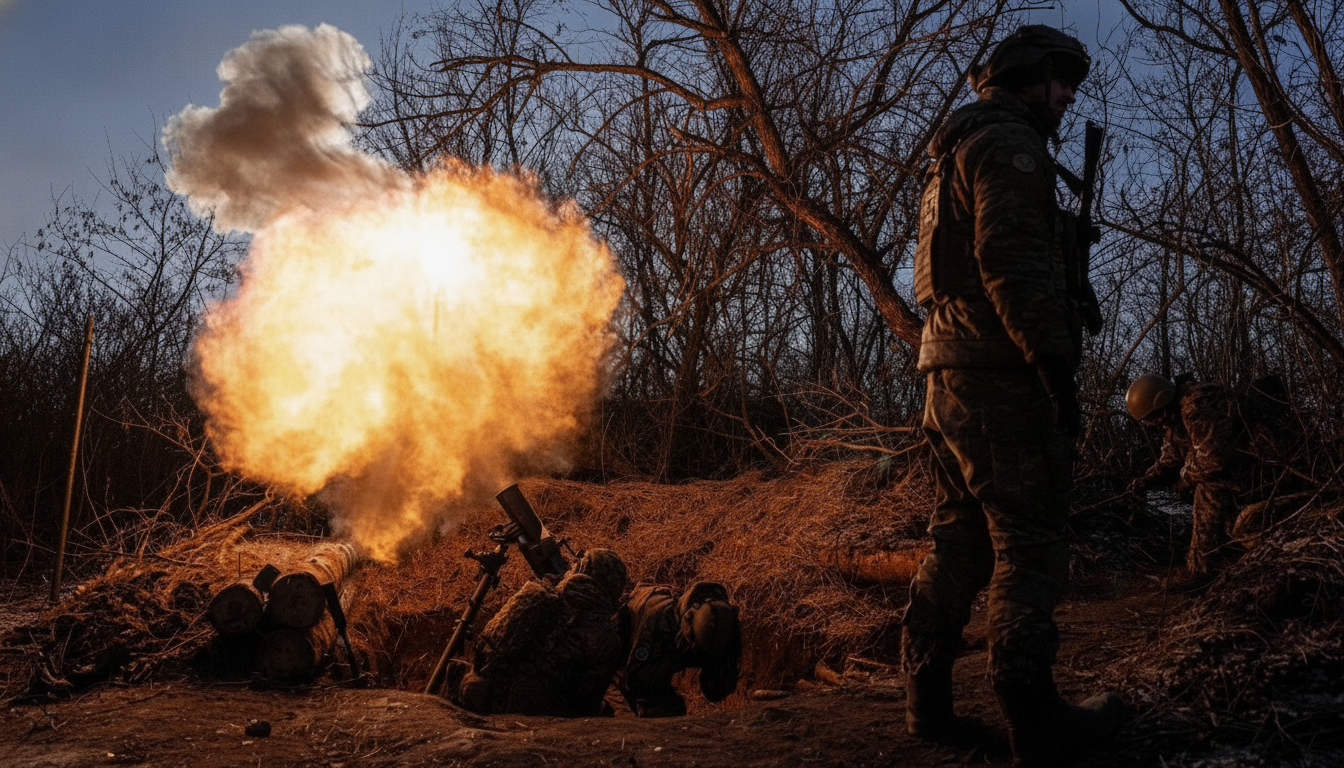
Russia’s Black Sea Fleet Loses the Upper Hand: What Ukraine’s Strikes Have Changed.

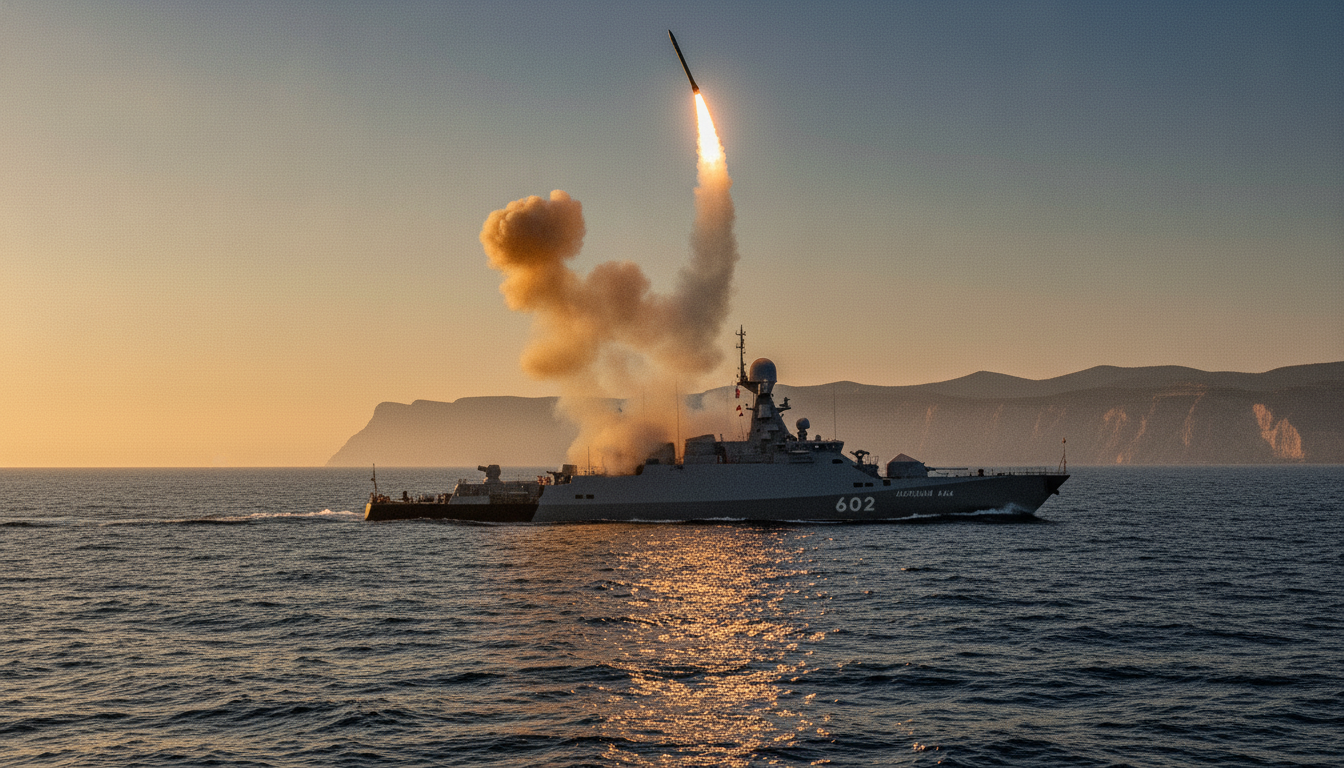
Current Situation in the Black Sea
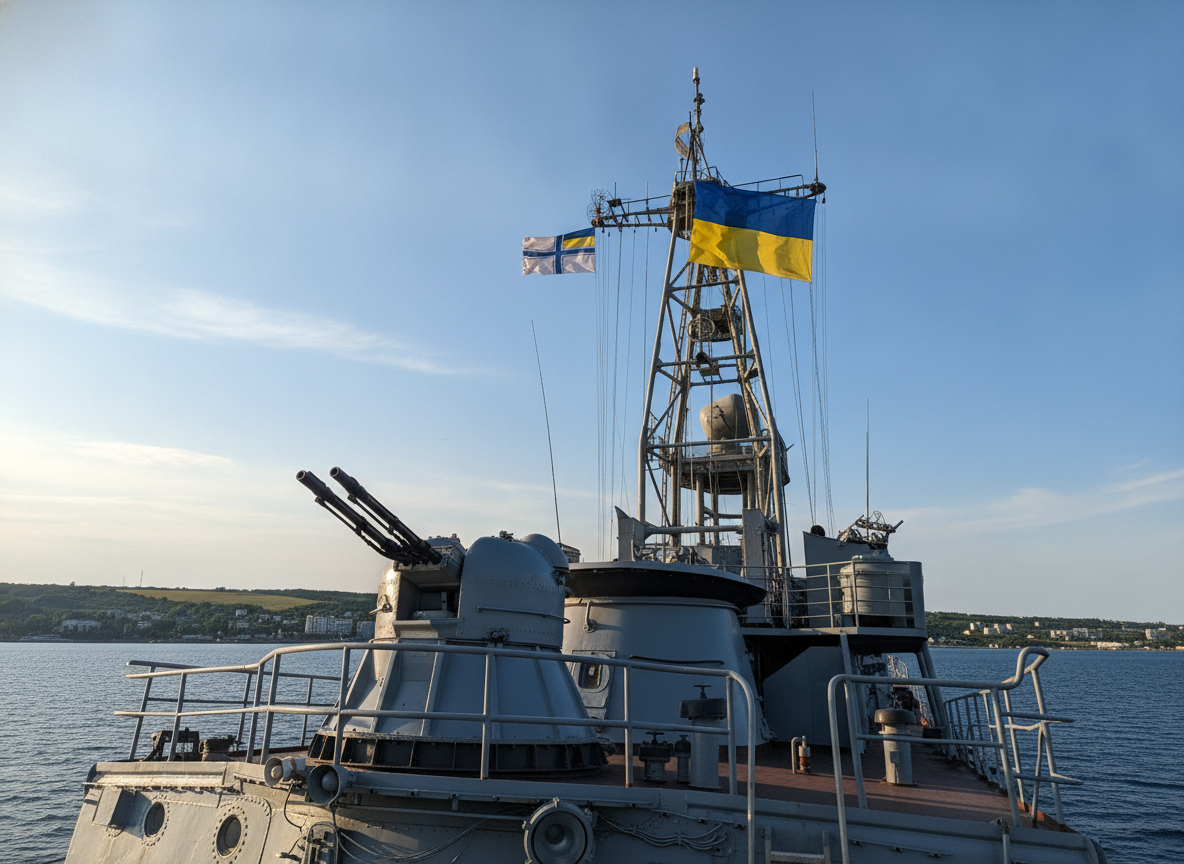
According to Novyny.live: In an interview, Ukrainian Navy spokesperson Dmytro Pletenchuk analyzed how Ukrainian military actions have reshaped the dynamics in the Black Sea and assessed the current state of Russia’s Black Sea Fleet. According to Pletenchuk, while Moscow’s naval forces still try to dictate terms in the region, most of their ships are now hiding in Novorossiysk—clear evidence they no longer control the waters.
At the same time, Russia keeps launching aerial assaults on Odesa and southern Ukraine, using flight paths over the Black Sea. Ukraine’s own navy has carried out effective operations that have stripped the Russian fleet of its ability to dominate the area. Russia’s main repair hub for its Black Sea Fleet sits in occupied Crimea, which further hampers its combat readiness.
Threats and Challenges
The biggest danger from Russian warships remains their Kalibr cruise missiles. Dmytro Pletenchuk stated:
“The enemy has a large military-industrial capacity, but lacks the initiative.” — Dmytro Pletenchuk
He noted that the Black Sea Fleet now sorties only once a month to launch a handful of largely ineffective missiles. The situation in Crimea is also growing more tense: more people are seeking to leave the peninsula following Ukrainian attacks. The occupation authorities have declared a state of emergency there, signaling a worsening environment.
It is also worth noting that logistics routes stretching from Rostov to Dzhankoi sustain a fairly large Russian force in Crimea. This further complicates matters, as occupation troops struggle to maintain their presence despite mounting threats from Ukrainian forces. As a result, the Black Sea remains a volatile theater, and Ukrainian military actions continue to significantly erode the Russian fleet’s operational capabilities.
The shifting situation in the Black Sea—particularly the drop in Russian naval activity—reflects Ukraine’s growing influence in this strategically vital region. Yet ongoing Russian air strikes against Ukrainian cities confirm that the conflict is far from over, and the threat of cruise missiles remains serious. The operational tempo of Ukraine’s armed forces and the escalating crisis in Crimea suggest that the balance of power in the Black Sea could shift further in the near future.
Read also
- Weekend Toll Hits 14 as Russian Forces Unleash Coordinated Strikes on Ukrainian Cities
- Overnight on July 27: Russia Unleashed 147 Drones on Ukraine, 123 Neutralized by Air Defense
- Russia’s New ‘Banderol’ Cruise Missile Strikes Kharkiv and Odesa – Key Details
- Heavy Fighting in Donetsk Region: 19 Russian Assaults Recorded in a Single Day
- For the First Time, Ukraine’s Navy Granted Authority to Command NATO Mine-Countermeasure Forces
- Russia Seeks to Widen Combat Zones: Ukraine Stands Up Three New Brigades