Iran's Leadership Appointment Sparks Elite Rift Between Army and Revolutionary Guard.

Political Situation in Iran
According to UATV: Following the appointment of a new supreme leader, signs of a deepening rift within Iran's political elite have emerged. This division is driven by tensions between the regular army and the Islamic Revolutionary Guard Corps (IRGC), a powerful military and political force, which could significantly impact the country's domestic stability. In a related development, Iranian President Masoud Pezeshkian has asserted that Iran was not involved in the shelling of Nakhchivan, a statement likely aimed at de-escalating regional tensions.
Expert Commentary
Rostislav Goltsman, head of the International Relations Commission of the Israeli Journalists' Union, observed that
"a split within the elites is now apparent. Few anticipated this development at the current juncture."This remark underscores the unpredictable nature of Iran's political climate, which appears linked to internal conflicts between its military factions.
Goltsman also commented on President Pezeshkian's recent phone call to the President of Azerbaijan, noting that
"this call from President Pezeshkian to the President of Azerbaijan is also not a coincidence."This diplomatic move suggests Iran is attempting to shore up its regional ties amidst growing internal political strain.
Against this backdrop, former U.S. President Donald Trump has called for the overthrow of the Iranian regime, adding an international dimension to the country's internal politics. Iran remains a focal point for global observers, especially as shifts occur within its political landscape. These events indicate that Iran's domestic politics may grow even more volatile in the near future due to elite and military infighting. Facing external pressure and internal discord, Iran is striving to bolster its international standing, notably through diplomacy with neighboring states. This situation could affect regional stability and relations with other nations monitoring developments within the country.
Read also
- Zelenskyy's Decision on Syrskyi: Who Replaced Yermak in the Security Shuffle
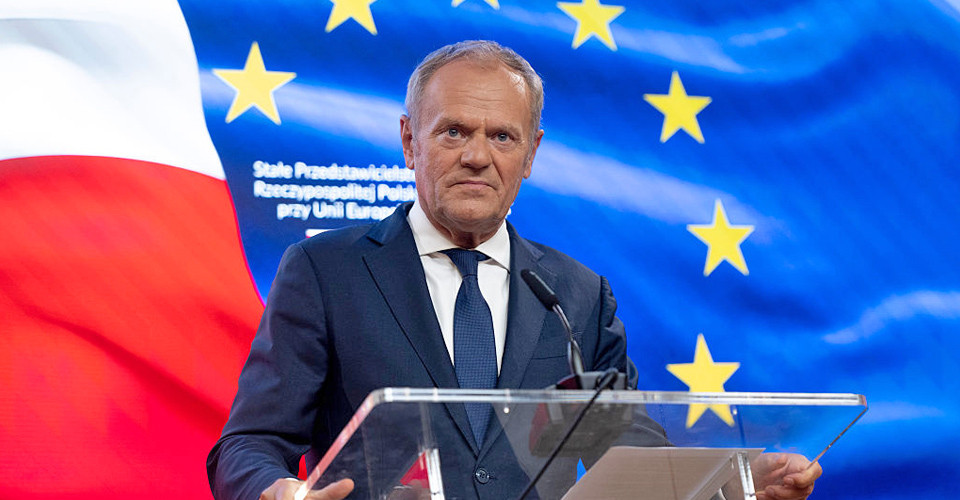
- Zelenskyy to Declassify SBU and Intelligence Archives: Tusk Reacts Positively
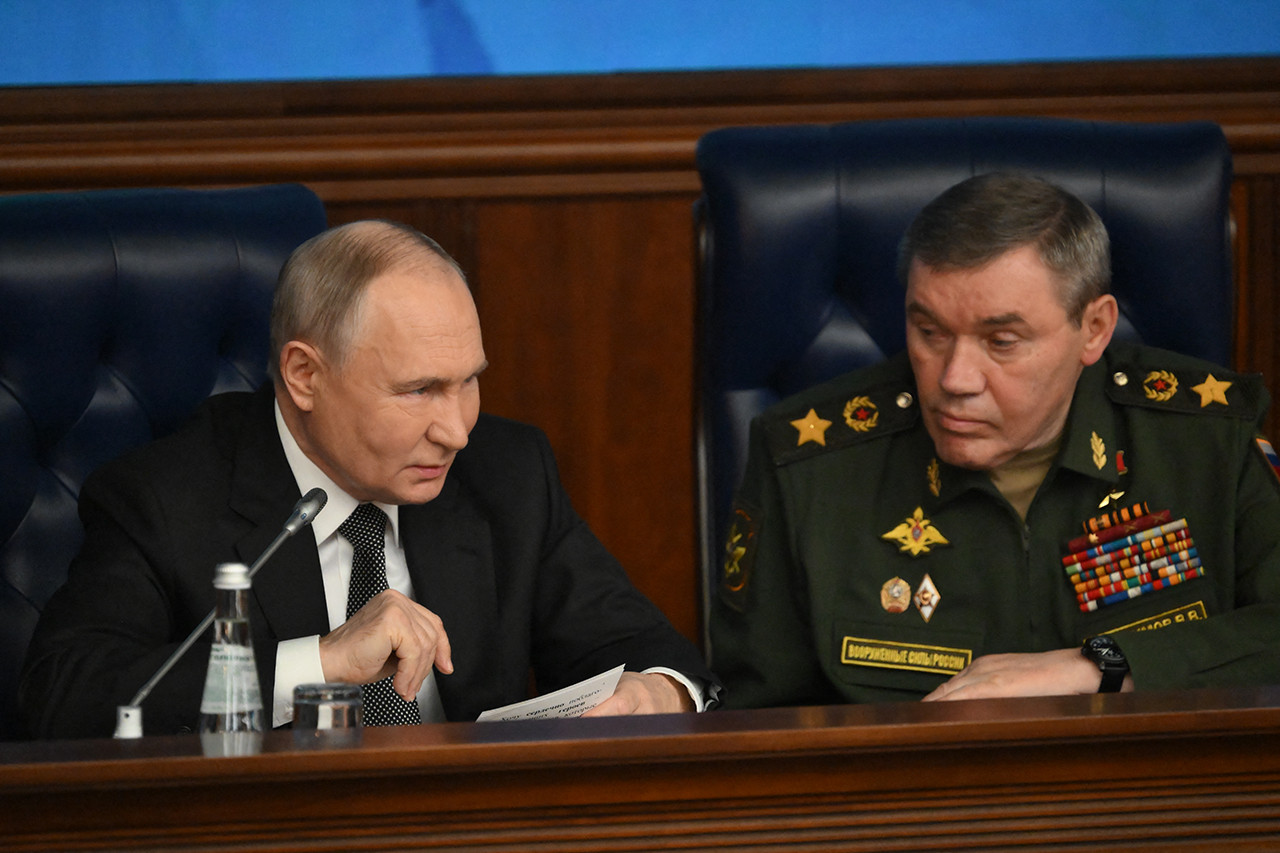
- Putin’s Approval Rating Hits Record Low: Does He Still Have Room to Escalate?
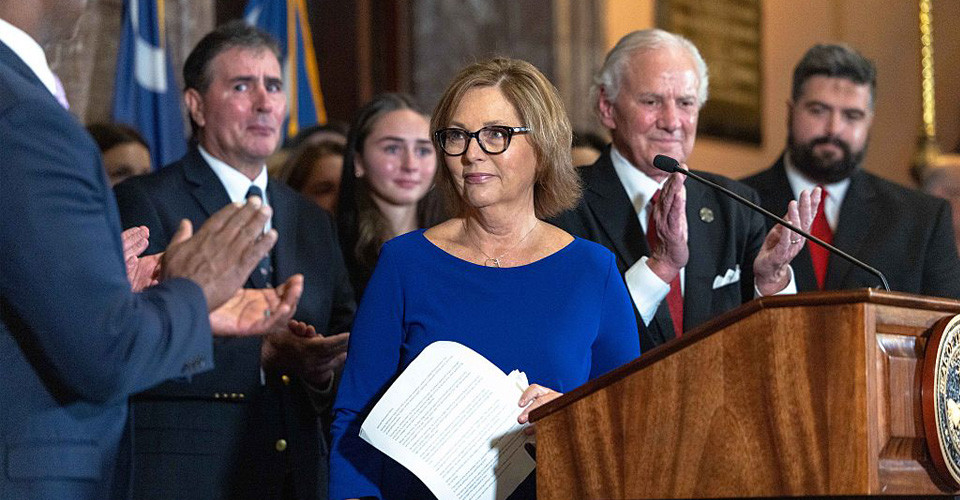
- Trump Backs Late Senator Graham’s Sister in Her Bid for a U.S. Senate Seat
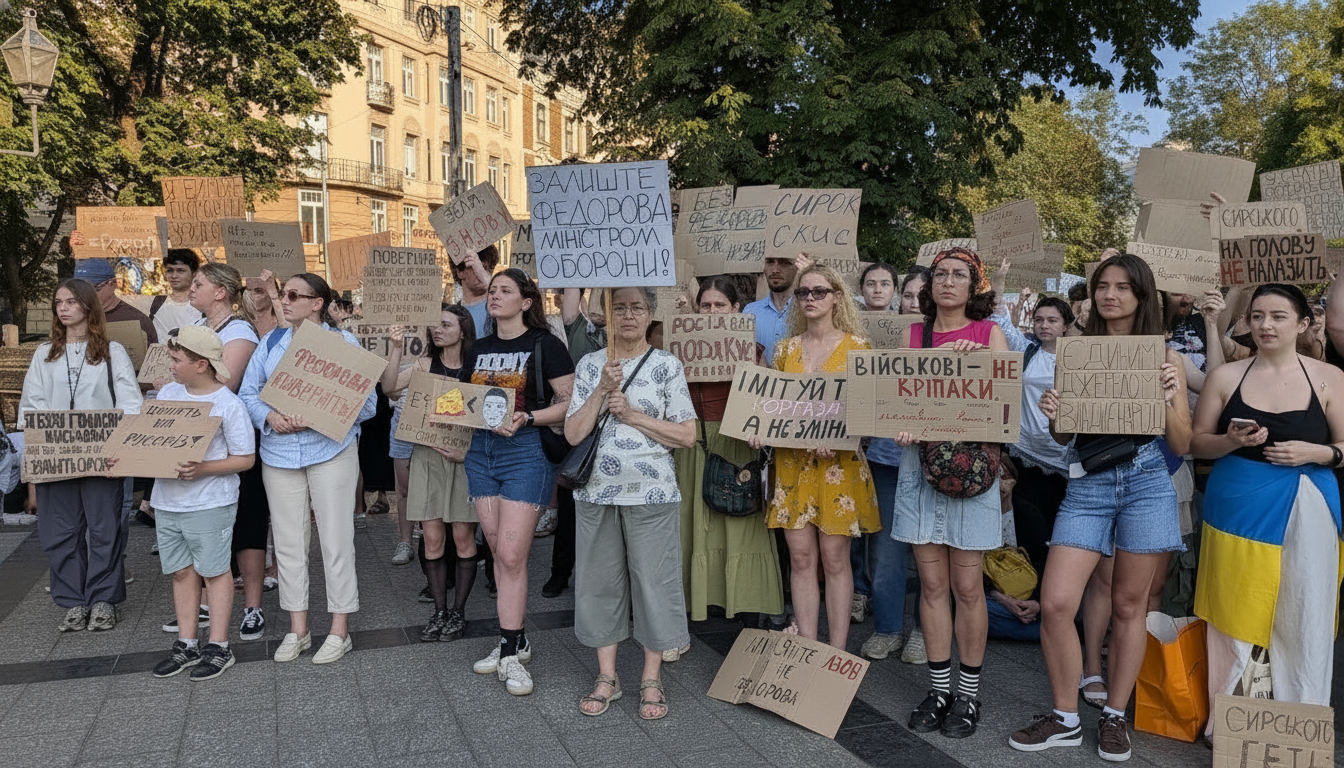
- Ukrainians Rally to Demand Firing of Commander Syrskyi and Reinstatement of Fedorov
- Feigin Reveals Who Arranged Melnychenko's Interview and Why Russian Oligarchs Are Fleeing