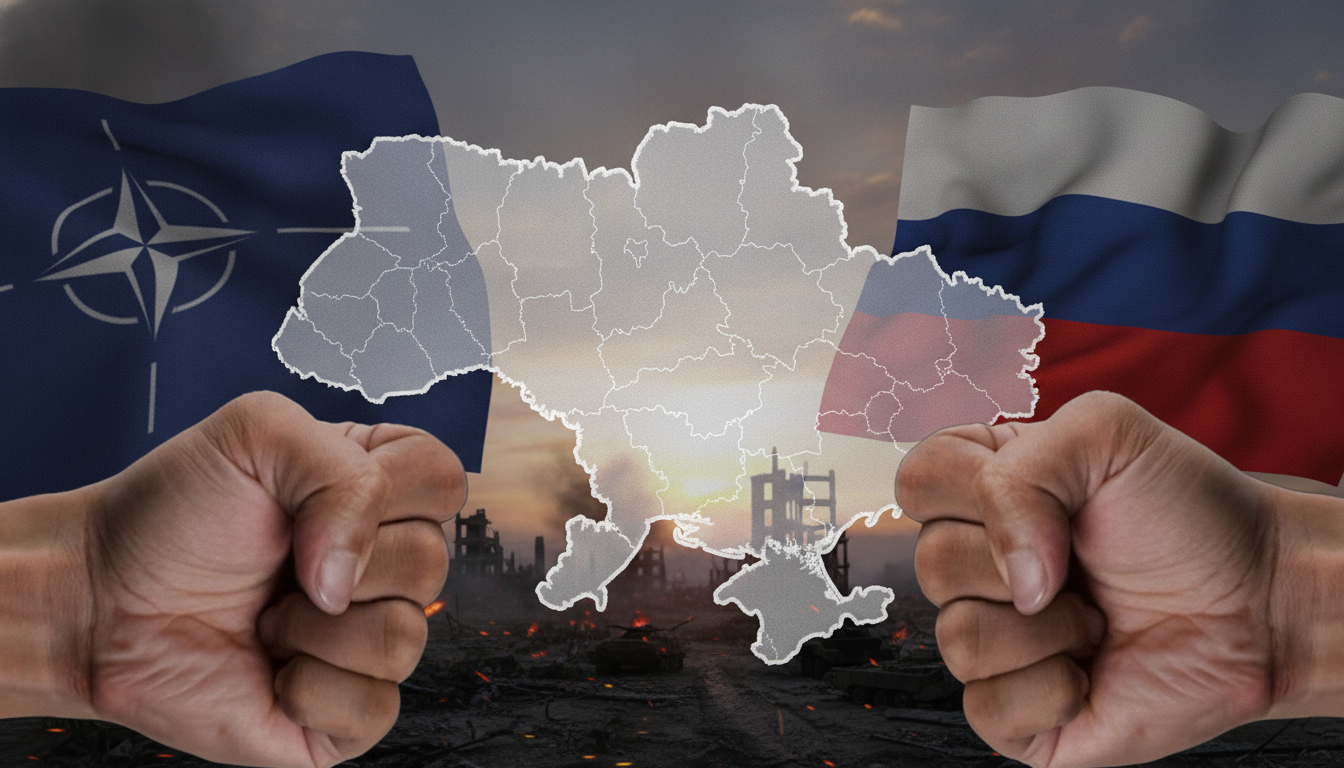
Rutte Reveals Russia Diverts 48% of Its Budget to Military—Is Moscow Preparing for War by 2029?.

Russia’s Military Spending
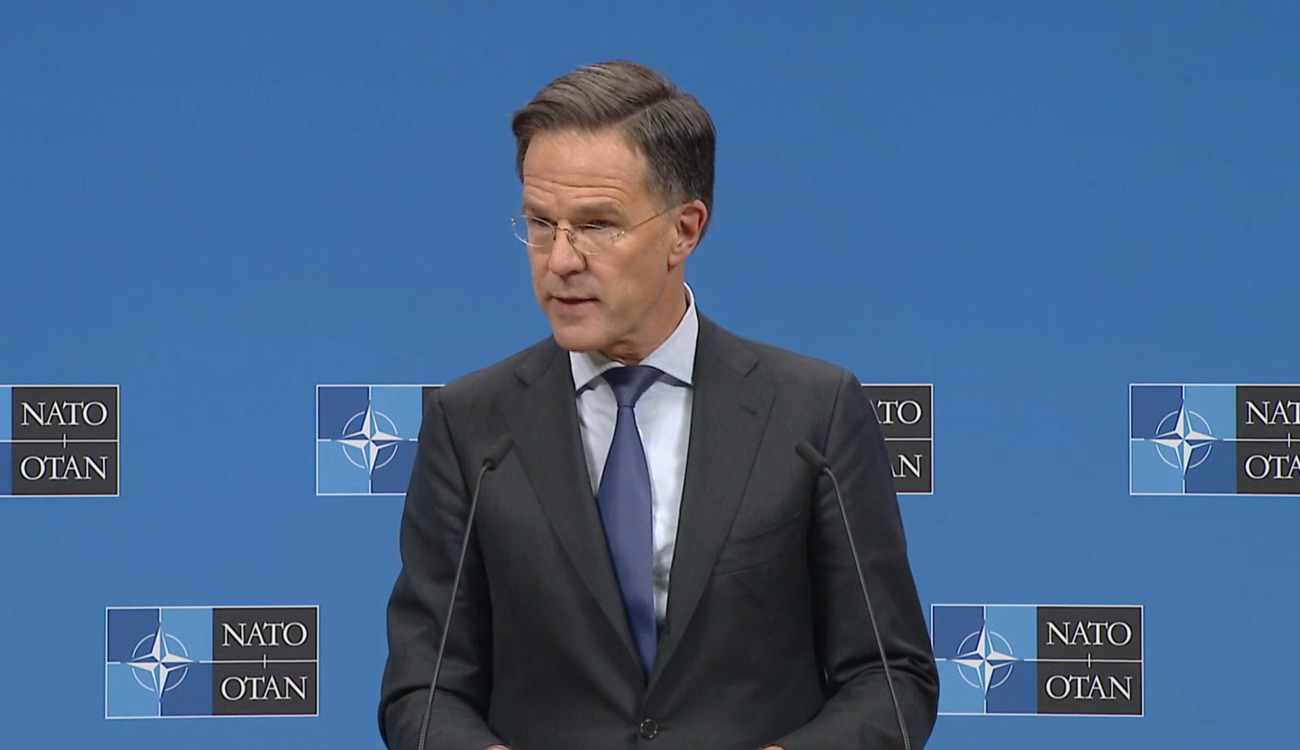
According to UATV: NATO Secretary-General Mark Rutte announced that Russia is channeling 48% of its state budget into military expenditures. This revelation came during a press conference on June 18, following a meeting of Alliance defense ministers in Brussels. According to Rutte, such a massive allocation of funds to defense underscores Moscow’s serious military ambitions. Understanding this context is crucial for grasping the heightened security concerns in Eastern Europe today.
Furthermore, he highlighted that 75% of Moscow’s tax revenues are also being funneled into defense. Experts argue that this intense concentration of resources on military needs may point to an aggressive policy direction from Russia. Rutte emphasized:
'Looking at Russia more broadly, don’t forget that the latest figures coming out of Russia show that now 48% of the entire state budget is spent on defense.' Mark Rutte
The Russian Threat
Additionally, according to European intelligence agencies, Russia could be ready to launch an attack by 2029. This prospect is raising alarm among NATO countries and their allies, as the situation in Eastern Europe remains tense. In this context, Rutte noted:
'Based on open-source intelligence from various agencies across Europe, Russia could rebuild its forces and be prepared to attack by 2029.' Mark Rutte
It is important to note that Rutte compared Russia’s military capabilities, stating that 'Russia is no larger than Belgium and the Netherlands combined.' This remark underscores the stark contrast between the country’s enormous defense spending and its overall military strength. The situation surrounding Russia’s military expenditures and its potential leaves many questions about regional security and NATO’s next moves.
The disclosed data on Russia’s military spending may signal the country’s intent to bolster its military capabilities, which is causing concern within NATO. Amid heightened tensions in Eastern Europe, such information is fueling renewed discussions on collective security and strategic planning for the Alliance. Given forecasts of possible aggressive actions by Russia by 2029, NATO is likely to continue strengthening its presence in the region and launching new initiatives to ensure stability and safety.
Read also
- NATO Greenlights New Defense Strategy: $70 Billion for Ukraine and Push for 5% GDP Spending
- NATO Brands Russia the Primary Threat as AI-Powered MSS Platform Revolutionizes Military Command
- Zelenskyy Holds Over 20 Talks in Ankara, Secures €70 Billion NATO Commitment
- NATO Summit in Ankara: Rutte and Trump Address Russian Threats and Air Defense for Ukraine
- Sweden Pledges 32 Gripen Jets to Ukraine at Ankara NATO Summit
- NATO Summit: Zelenskyy to Meet Trump as Canada and South Korea Pledge Billions