Why Europe Struggles to Ban Russian Tankers from Its Ports.

How Political Lobbying Shapes Sanctions on Russia
According to UATV: The influence of political lobbying on sanctions against Russia is particularly evident in the oil sector and the ability of European nations to block Russian tankers from their ports. Upcoming midterm elections in the U.S. Congress in November 2024 could significantly impact future sanction policies. The European Union's reliance on energy imports and internal political divisions often complicate a unified, decisive stance.
A specific legislative proposal, the Graham-Blumenthal bill, seeks to impose 500% tariffs on nations that continue purchasing Russian energy. However, experts like Oleg Pendzin suggest that
“passage of the Graham-Blumenthal bill should not be expected.”In a related enforcement action, the United States has recently detained seven vessels transporting Venezuelan oil, demonstrating its active approach to sanction enforcement.
The Tanker Fleet and Europe's Sanction Challenges
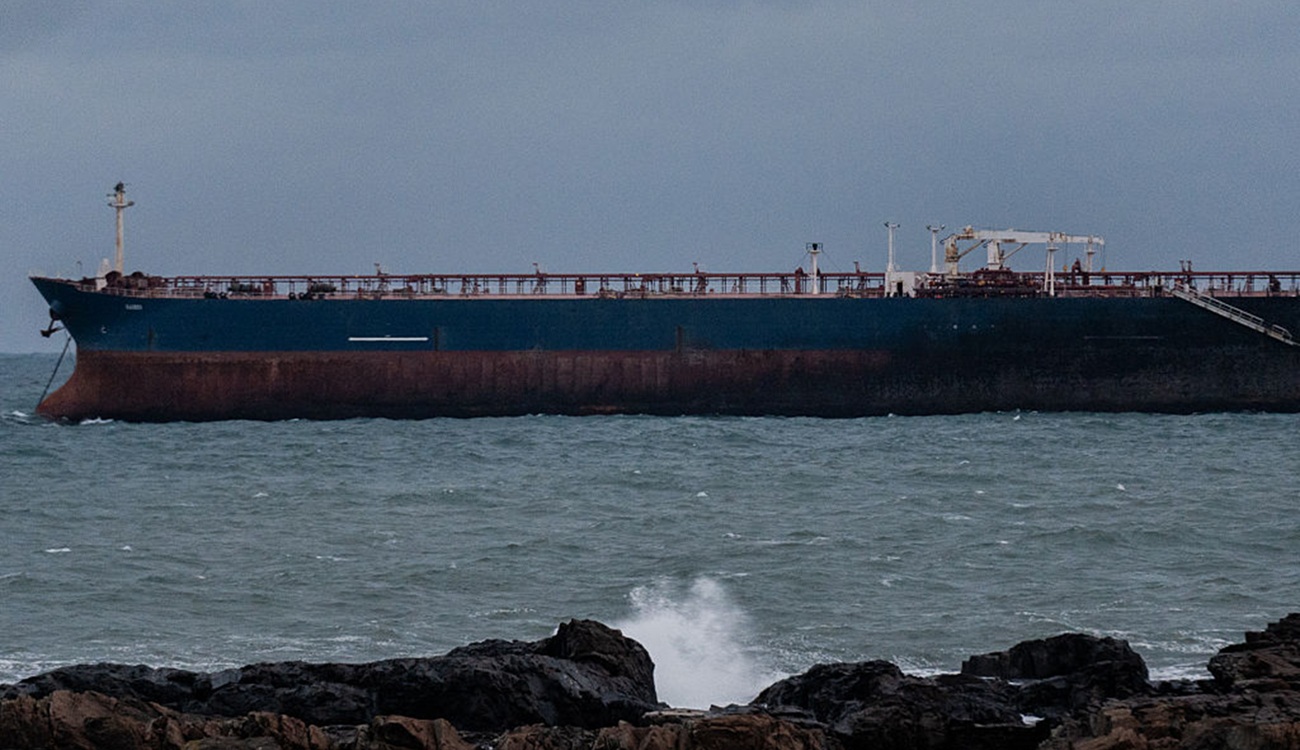
The average service life for tankers globally is 12-13 years, while the average age of vessels in the so-called 'shadow fleet' is 24 years. Oleg Pendzin notes that
“The U.S. has clearly demonstrated how to deal with the shadow fleet.”Yet he also argues that
“internal lobbying is the primary brake on European sanctions,”which hinders further European steps to restrict Russian tanker operations.
The European Commission has recently introduced its 20th package of sanctions against Russia. Pendzin points out that
“Europeans have serious arguments for restricting the shadow fleet's operations.”The expert believes the
“shadow fleet will become a 'lifeline' for Russia in 2026,”underscoring the urgency for European nations to act to prevent Russia from using alternative channels for its energy exports. The effectiveness of these sanctions is a critical test for Europe's strategic autonomy in energy policy.
In summary, the issues of sanctions against Russia and the impact of political lobbying on these decisions remain pressing amid global energy instability and geopolitical tension. With the upcoming U.S. elections, potential policy shifts could significantly affect Europe's energy landscape and future relations with Russia. Experts stress the critical need for effective European measures to limit access for Russian energy resources, which is a key factor in reducing energy dependence on Moscow.
Read also
- NATO Faces Russian 'False Flag' Drone Threats: Experts Reveal Moscow's Strategic Aims
- Ukrainian Military Leadership Shake-Up: Who Steps In as New Commander-in-Chief?
- Ukraine Set to Receive €40 Billion for Defense; New Minister Vote Scheduled
- Major General Skibyuk Appointed as New Chief of General Staff: Zelenskyy Announces Leadership Shakeup
- Supreme Court Judge Slams Sanctions on Poroshenko: Lawsuit Should Have Been Upheld
- Rubio and Lavrov Set for Manila Talks: US Signals Readiness to Discuss Ending the War