Fighting Dampness in Your Home: 7 Simple Ways to Prevent Mould.

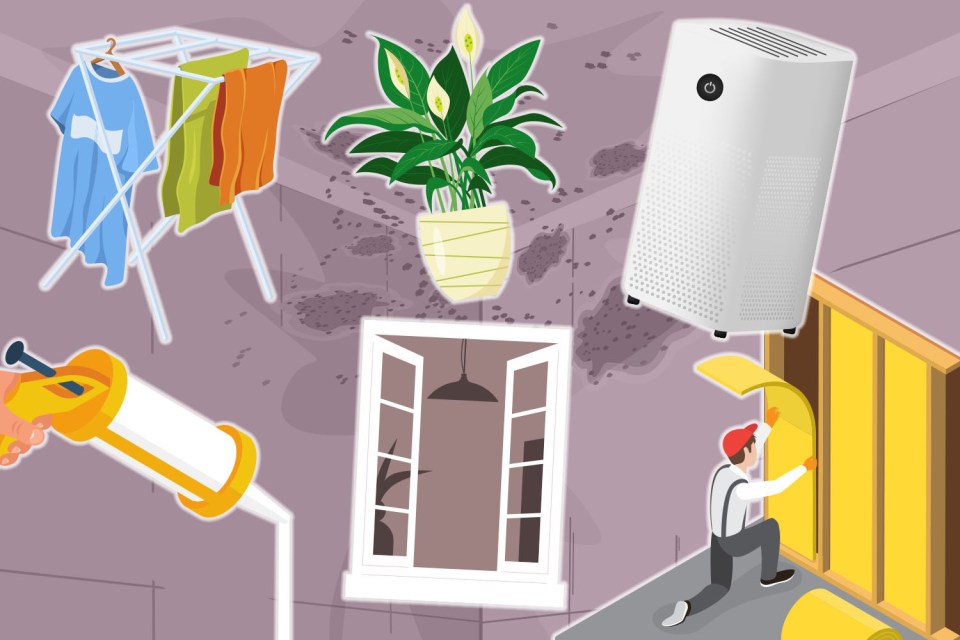
According to The Sun: As the winter months approach, the issue of dampness and mould in your home becomes extremely relevant.
This unpleasant defect is caused by various factors, such as cooking, showering, and drying laundry indoors.
These seven tricks can help prevent mould and dampness in your home. AlamyMould not only looks unattractive but can also cause serious health problems if it settles in your walls.
Signs of mould in the home include fuzzy black, white, or green spots on the walls and a musty smell.
This problem is particularly exacerbated by poor maintenance of the premises or inadequate insulation when it's cold in the house.
It's important to maintain heating, however, most households are currently facing difficulties due to inflation, so many are trying to save on heating.
However, there are other ways to prevent mould that won't break the bank. Here are a few ideas...
Get a laundry heater - £41
Drying laundry indoors can increase humidity levels and promote mould growth.
Some people use radiators to dry laundry, but this can cause condensation due to lack of airflow.
A better option is to use a laundry heater, which will help dry it more effectively and reduce the risk of mould.
For example, the Argos Home 11m laundry heater is currently available for £41.25, down from £55. It is recommended by 82% of reviewers on the Argos website.
Peace lilies - £6
Another way to lower humidity levels in your home is to purchase a peace lily.
These plants effectively clean the air and are known for their ability to remove mould spores, dust, and bacteria.
Peace lilies thrive in humid conditions, making them perfect for bathrooms or other areas with high humidity. You can find them for £6 at B&Q.
Buy a dehumidifier - from £25
Another option is a dehumidifier, which will help remove excess moisture from the air.
These devices are especially useful if you are drying laundry in a room, preventing condensation and mould growth.
At Dunelm, you can purchase a 1-litre dehumidifier for £25, which has a rating of 4.5 out of 5 stars.
Use silicone sealant - £5.60
If you notice drafts in your windows, this can contribute to mould. The best solution is to buy silicone sealant and replace the old sealing.
You can find it for just £5.60 at Wickes.
Free tricks to prevent mould
Some measures are completely free. One simple way is to regularly open windows.
This may seem unusual in winter, but opening windows a few times a day allows moisture to escape outside.
This procedure is especially recommended after showering or cooking.
Don't forget about good ventilation, as being in enclosed spaces can lead to overheating.
The arrangement of furniture can also improve airflow. Avoid placing furniture close to outside walls to ensure free air circulation.
Some households may improve their insulation for free through the UK Insulation Scheme, which offers free or affordable insulation for households in certain tax brackets.
Your home must meet categories A-D in England and A-E in Scotland or Wales and have an energy performance certificate (EPC) rating of D or lower.
You can check your eligibility by visiting the government website.
Expert Guide to Removing Mould and Painting Walls
Mould not only looks bad but can negatively impact your health if not treated properly.
Ronseal has shared its guide to removing, resolving issues, and preventing mould contamination.
Remove mould from an area less than one square meter if it is caused by condensation. If the mould is caused by sewage, contact a specialist.
Before starting work, wear glasses, long rubber gloves, and a mask to protect yourself from mould spores. Open windows for additional ventilation but close doors to avoid spreading spores.
How to remove mould from walls:
- Fill a bucket with water and a mild detergent, or use a special mould removal solution.
- Dampen a cloth in the water and wipe the mould from the wall. Do not scrub with a brush, as this may disperse mould spores.
- After removing the mould, use a dry cloth to pick up any remaining moisture.
- Dispose of the cloth and vacuum the room to ensure all spores are removed.
How to paint over mould:
Never paint over mould without treating it first. This won't solve the source of the problem and will worsen the appearance.
After treating the affected area, use a special mould-resistant paint to finish the job.
Wet stains can be covered with appropriate paint if the moisture has dried, and the source has been eliminated. Some sealants can be applied directly to wet surfaces, so check the instructions before starting.
Read also
- Ukraine Disrupts Russia’s Largest Oil Refinery and Targets Shadow Fleet: Escalating Pressure on Moscow’s Energy Sector
- Russia’s Oil Exports Hit Record Highs, but Revenues Shrink as Urals Prices Plummet
- Fuel Shortage Drives Record Search Spike: Russians Desperately Google 'How to Make Gasoline'
- Strike on Russia’s Largest Oil Refinery Raises Fears of Fuel Shortages
- Ukrainian drones halt Russia's largest oil refinery, worsening gasoline shortages
- Over 1,000 New Weapons Systems Fielded by Ukraine, with 90% Domestically Produced