Siberian blast in January: Europe is facing a sharp drop in temperature to -15°C.

Expected Cooling in Europe
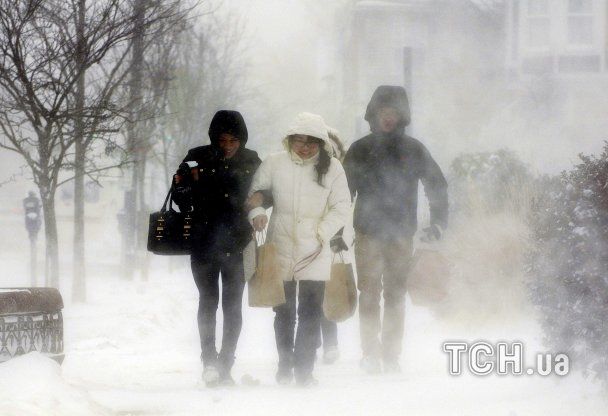
According to TSN.ua: At the end of January 2026, Europe is expected to experience a sharp cooling caused by an atmospheric configuration known as the 'Siberian blast'. This phenomenon will lead to a change in wind direction, bringing cold air from the east. As a result, the average temperature in Estonia and Latvia on January 24 will drop to -13°C, while in Poland it may decrease to -10°C. The temperature in Germany will also fall to -3°C.
Since the beginning of 2026, Europe has been under the influence of Arctic intrusion, causing temperatures to drop 12–15 degrees below the climatic norm. According to meteorologist Judy Cohen,
“Europe hasn’t experienced such strong and extensive cold for a long time”. However, there is a possibility that the western winds from the Atlantic may limit the cooling, concentrating on Southeastern Europe, as noted by James Peacock.
Climate Conditions in Ukraine
In Ukraine, warming is forecasted from January 16, contrasting with the forecasts for the rest of Europe. This situation demonstrates the diversity of climate conditions observed on the continent.
The expected cooling in Europe, caused by the 'Siberian blast', may have significant consequences for:
- energy systems
- agriculture
- everyday life of the region's inhabitants
A decrease in temperature may lead to increased energy consumption for heating and may also affect the yield of agricultural crops. At the same time, the warming in Ukraine may indicate differences in climate conditions that could impact the economic situation and consumer habits of the population.
Read also
- Frontline Dynamics Shift: Chongar Bridge Destroyed, FP-5 Flamingo Missiles Deployed for the First Time
- Iran Identifies New Retaliatory Targets for Strikes Against the US: Bases in Three Nations
- Fuel Shortages and Logistics Nightmares Hit Russian Forces in Crimea After Ukrainian Strikes
- 530 Drones and Missiles Launched by Russia Against Ukraine in Three Days: Dozens Injured
- Japan Aims to Replace 14 Nuclear Reactors by 2050 in First Major Plan Since Fukushima
- Oil facilities in three Russian regions ablaze after Ukrainian strike