Walk-In Clinics Are Replacing Family Doctors: Why Americans Are Losing Access to Care.

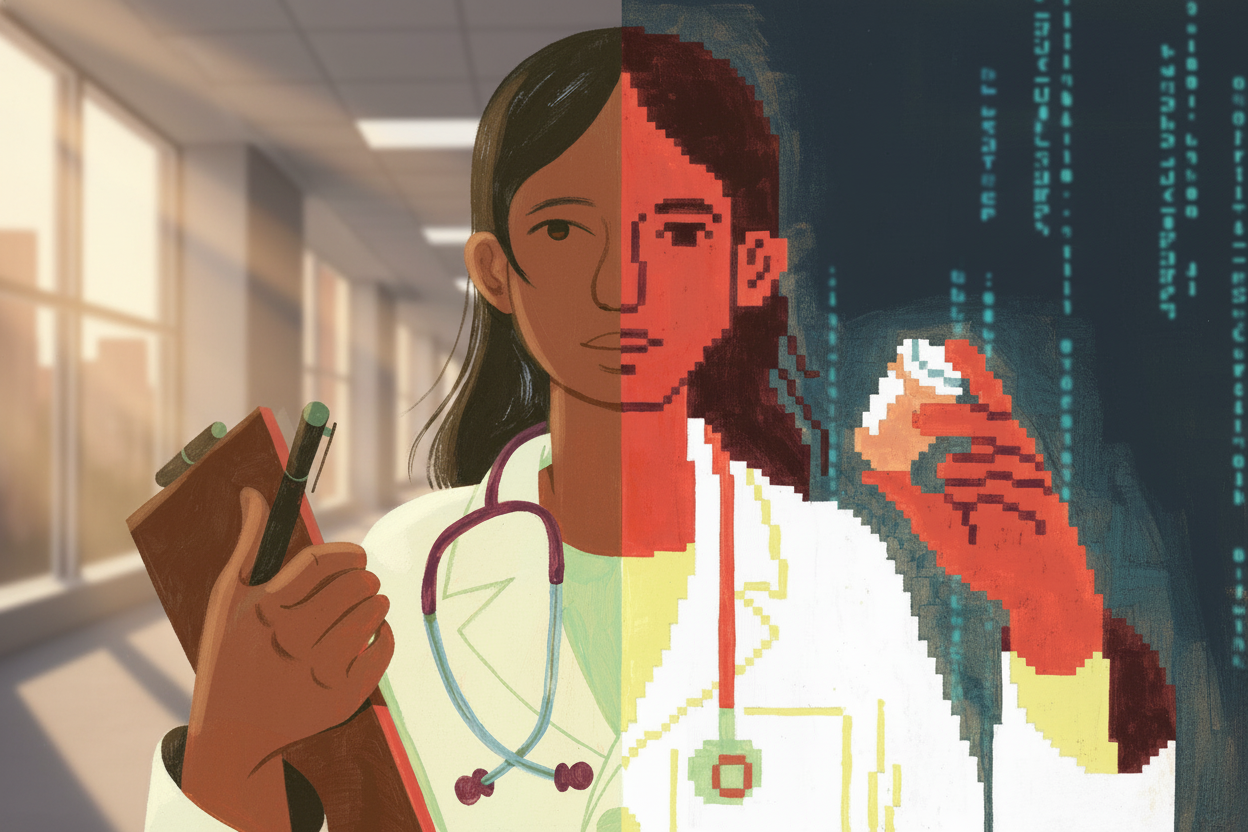
Shifts in U.S. Healthcare Delivery
According to Vox - Загальний: The United States is seeing a major transformation in how medical care is delivered, as traditional family physicians are increasingly being replaced by walk-in clinics that offer a narrow range of services. This trend is driven by a growing demand for convenient healthcare solutions, fueled by limited access to conventional doctors and the rising use of digital health technologies.
According to data from 2018, nearly half of adults under 30 did not have a family doctor, and roughly 100 million Americans face barriers to primary care. More than 30% of the population lacks a regular source of medical care, highlighting serious cracks in the healthcare system.
The Rural Healthcare Gap
Despite the surge in urgent care clinics, 80% of rural residents are considered medically underserved. Only 10% of physicians practice in rural areas, even though 20% of the U.S. population lives there. As a result, the number of urgent care visits among privately insured Americans doubled between 2008 and 2015.
Projections for 2024 indicate that over 80% of Americans will visit an urgent care clinic or some other form of walk-in medical service.
“The word of the day in health policy is accessibility.” — Dr. Ateev Mehrotra
This underscores the growing importance of on-demand medical services, but it also raises concerns about their quality and effectiveness. Vivian Ho points out that “the business model is that the provider has a drug they are trying to sell,” which can call into question the ethics and transparency of care delivery.
Given these changes, it is important to understand why walk-in clinics are flourishing—but also to approach them with caution. While an urgent care center may be necessary for immediate needs, patients should be aware of potential risks, including limited medical information and the restricted scope of services these facilities offer.
As the traditional healthcare system faces mounting challenges, walk-in clinics are likely to become a key part of the U.S. medical landscape.
The rising popularity of urgent care clinics reflects shifting public needs and responds to the pressures on conventional healthcare. However, the issue of healthcare access remains critical, especially in rural regions where medical professionals are scarce. This could spur further development of new care models aimed at addressing these gaps, while also presenting society with fresh ethical dilemmas in the field of health.
Read also
- Medication Shortage in Ukraine Forces Cancer and Epilepsy Patients to Seek Treatment Abroad
- Cancer and epilepsy patients in Ukraine cut off from life-saving medications
- 20% Cashback for Moms and Kids at Pharmacy 9-1-1: Steps to Claim Your Bonuses
- Beating the Heat in Ukraine: A Doctor’s Guide to Hydration and the Best Clothing Choices
- No Solar Flares Expected on June 24: Magnetic Storm and Solar Activity Forecast
- How Ukrainian Men Liable for Military Service Can Be Removed from the Registry Due to Illness