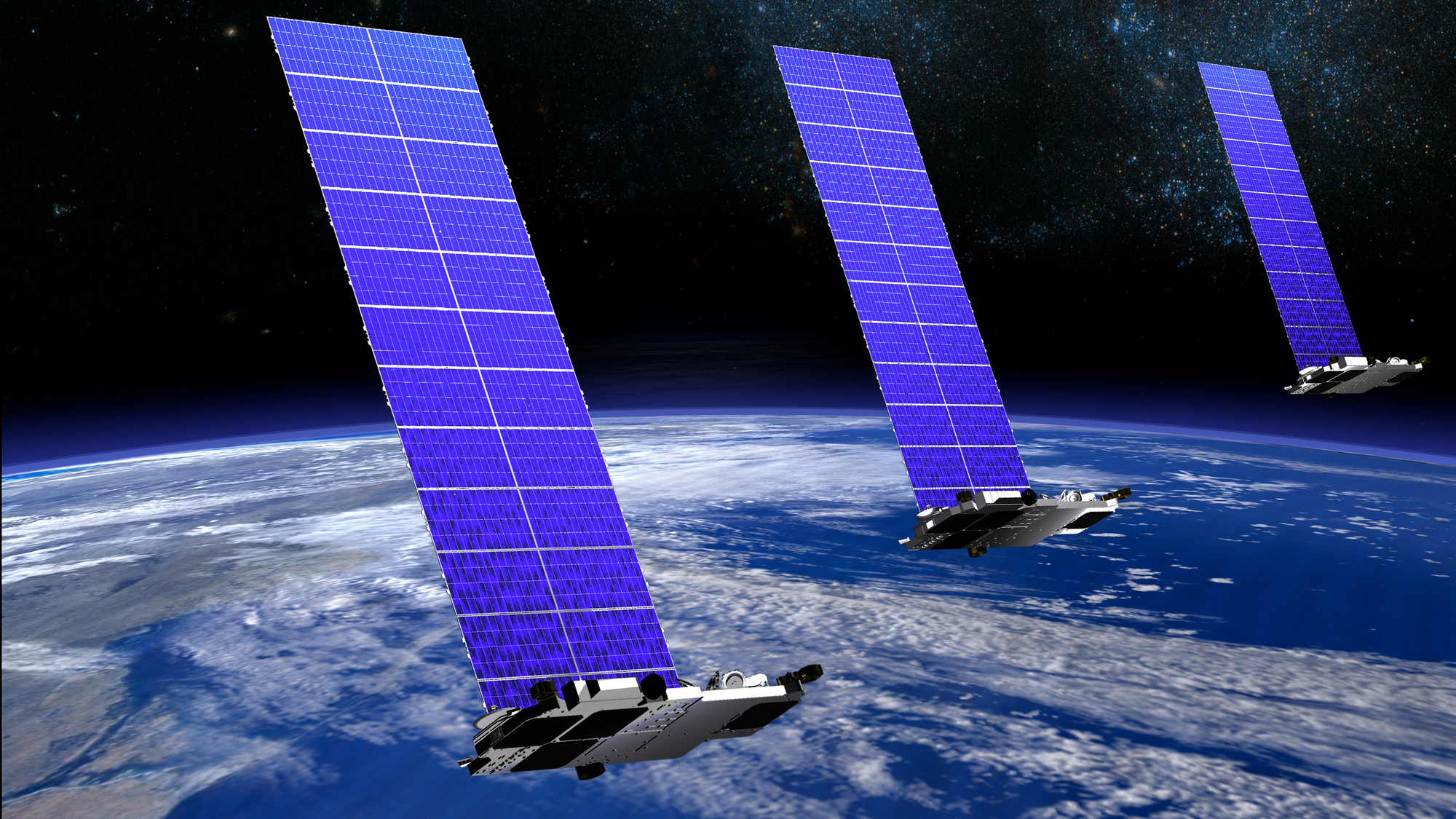
Teenager’s Algorithm Uncovers 1.5 Million Space Objects in NASA Telescope Data.

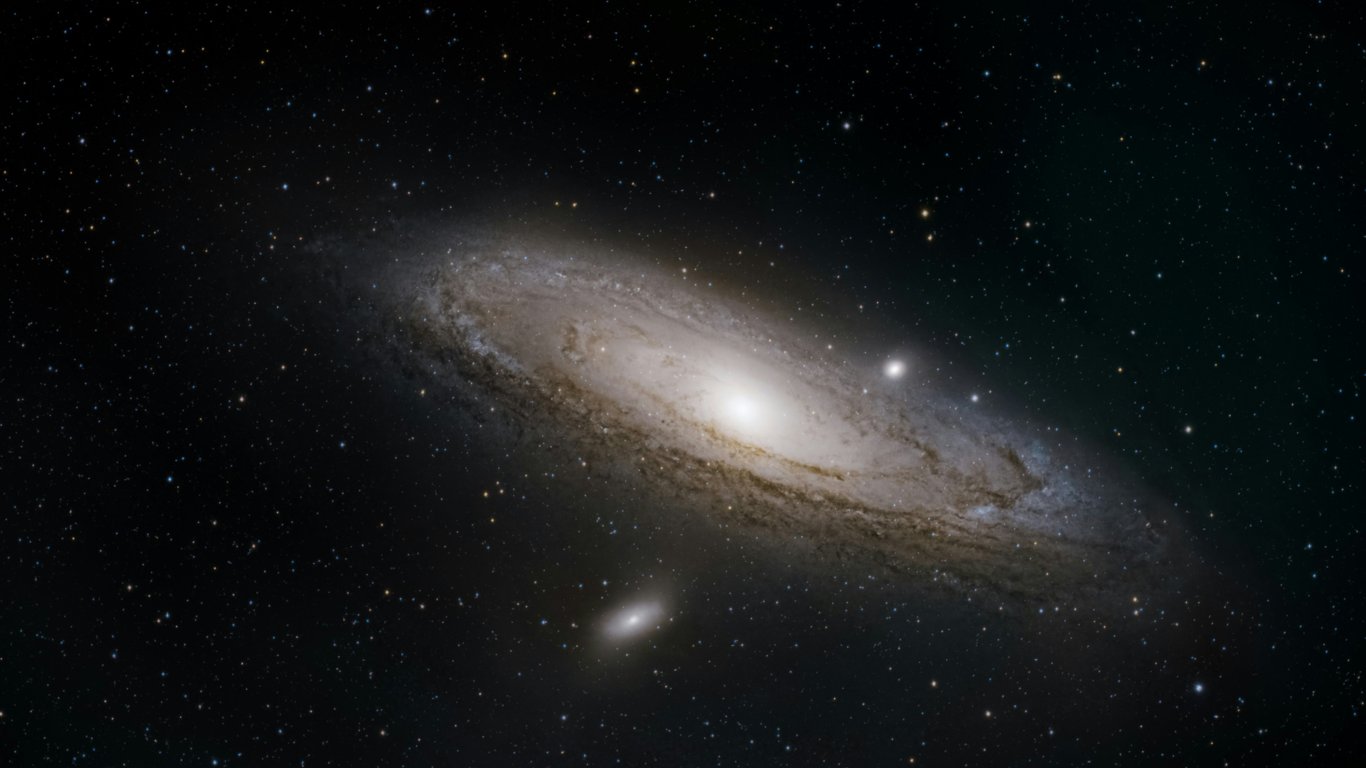
The VARnet Algorithm and Its Impact on Astronomy
According to Novyny.live: Matteo Paz, a high school student from Pasadena, developed the VARnet algorithm, which identified 1.5 million potentially significant celestial bodies within data from the NEOWISE telescope. This space telescope operated for a decade, amassing an archive containing nearly 200 billion individual detections. The creation of this algorithm marks a major milestone in astronomy, as it enabled the processing of an immense dataset accumulated over ten years.
Paz demonstrated that cutting-edge technology can be effectively applied to analyze astronomical information. The VARnet model operates at an impressive speed of about 53 microseconds per star, making it highly efficient at flagging candidate variable objects. This breakthrough could profoundly influence future studies of the cosmos and our understanding of the composition of celestial bodies.
New Research Opportunities
Thanks to the VARnet algorithm, astronomers can now focus on investigating:
- stable sources
- transient events
- intrinsic pulsators
- eclipsing binary systems
The 1.5 million candidate variable objects open up fresh avenues for research in this field. As a result, Matteo Paz’s work could significantly shape future scientific discoveries in astronomy.
The development of the VARnet algorithm highlights the critical role of integrating new technologies into traditional scientific research. Given the vast volume of data collected by the NEOWISE telescope and the processing speed enabled by this new algorithm, the studied objects are expected to provide novel insights into the structure and dynamics of the universe. This discovery may also inspire further astronomical investigations, drawing young talent into science.
Read also
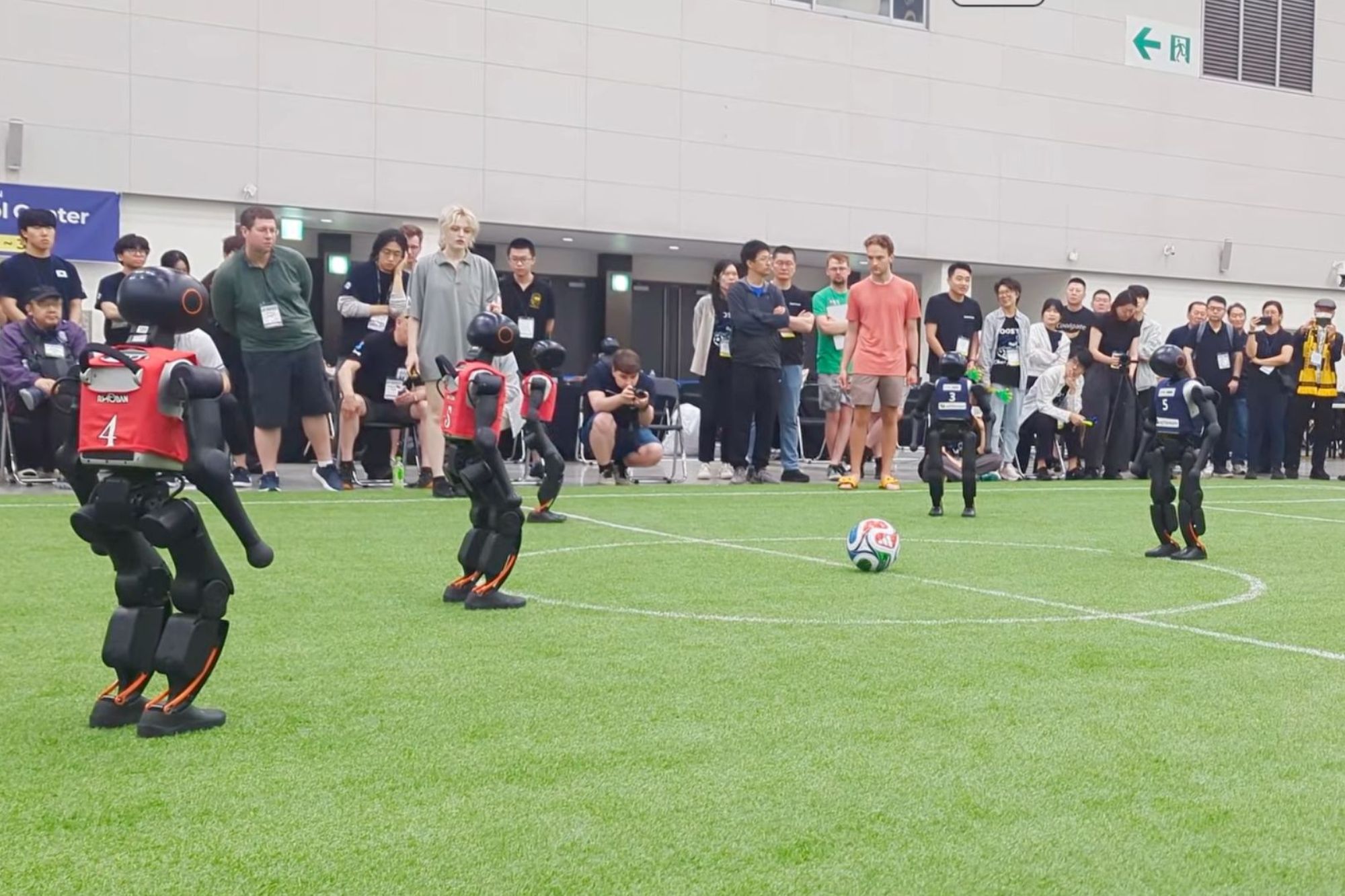
- Chinese Robot Claims Second Consecutive World Title in Humanoid Football Championship
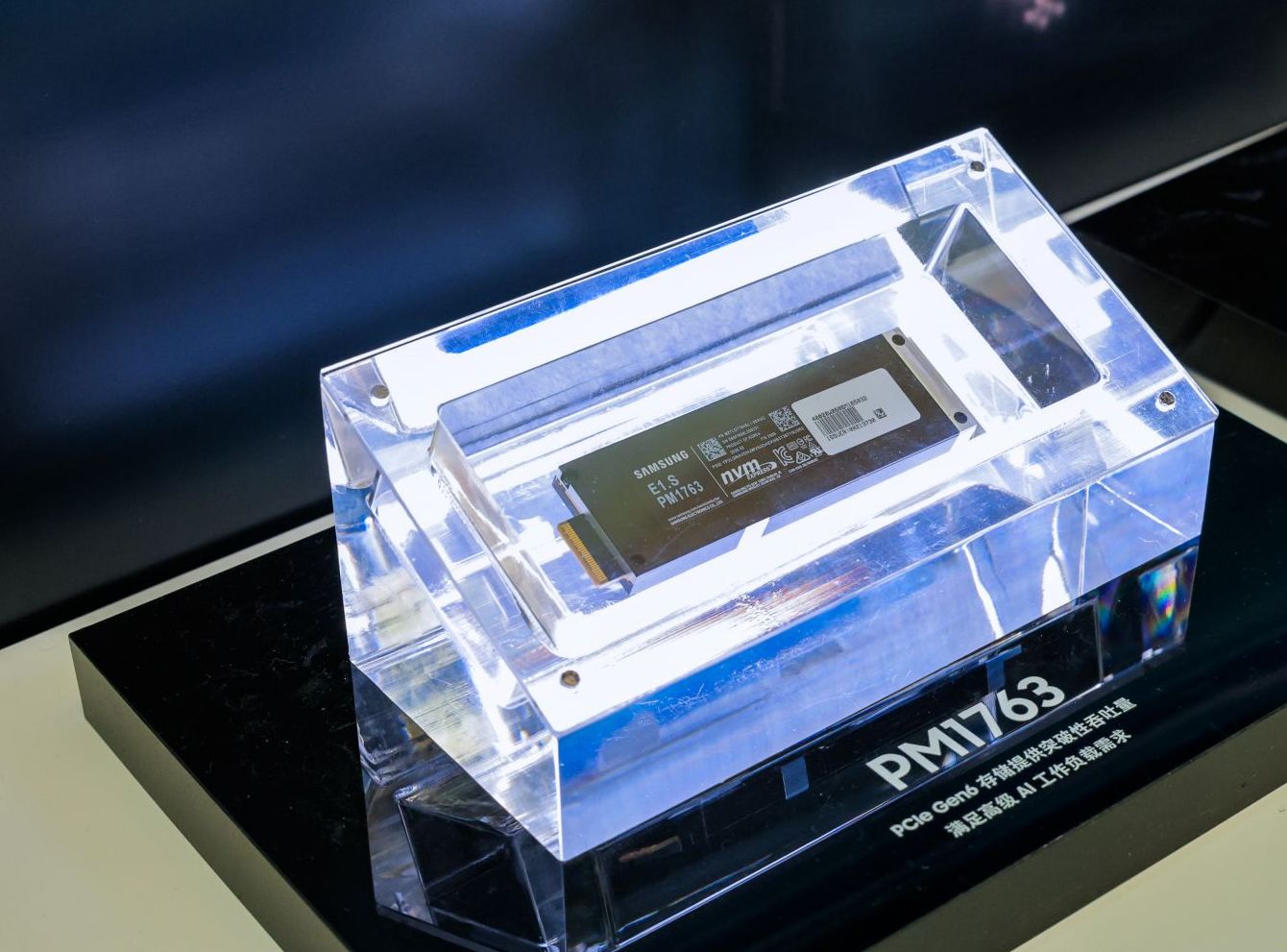
- Samsung Launches Mass Production of PCIe 6.0 SSDs with Read Speeds Reaching 28.4 GB/s
- Smart Glasses Camera Disabled When Indicator Is Damaged: Meta’s New Privacy Update Explained
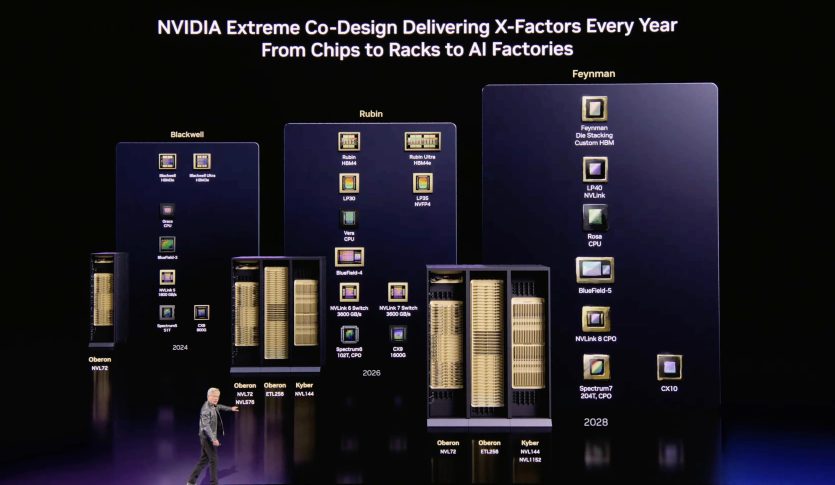
- NVIDIA Confirms Rigel Core for Rosa Processors: What to Expect from the Upcoming Lineup
- Intel’s 14A2 Process with Dual-Side Power Delivery: How It Could Reshape the Chip Market
- 260 Starlink Satellites Decommissioned by SpaceX: What’s Happening in Orbit