Ukraine faces a food shortage: will prices rise due to poor harvest.

This year, Ukrainian agrarians expect a difficult season with the risk of lower harvest volumes due to weather conditions and other challenges. As a result, some experts already say that Ukrainians are facing a shortage of products in the market, meaning prices will go up, and there will be even more imported goods on store shelves. How true is this, and should we fear another increase?
Instead of domestic - import
The weather conditions this year have not been favorable for the harvest. Consequently, most agrarians are counting losses instead of profits, and as a result, the expected decrease in prices for seasonal products is barely felt. There are not enough Ukrainian vegetables and fruits on the market, and most likely, there will be even less than necessary for winter. Thus, their price will rise - the question is, how much? According to experts, the market will be maintained due to imports.
"Perhaps the dependence on imports will increase. But this is not bad — goods will still be available in the market. On the contrary, in case of a smaller harvest, it is crucial that imported goods enter Ukraine as much as possible. If there are no imports, the prices of Ukrainian goods will become even higher due to a lack of competition. The more imported products there are, the fewer grounds domestic producers will have to raise prices," explains economist Eduard Karagiya.
Product prices
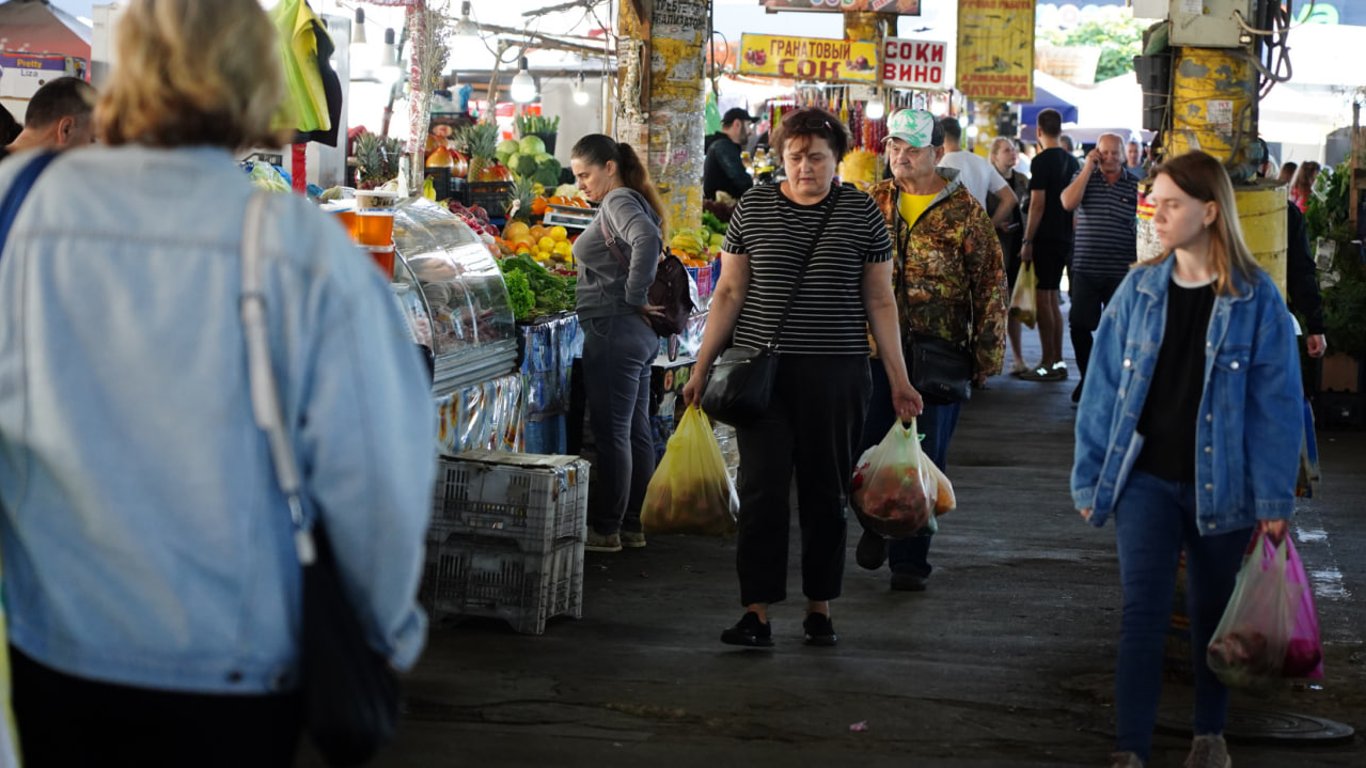
Regardless of the situation, the price of products is the main issue that concerns all Ukrainians. After all, when returning from the store or market, everyone pays attention to the amount of goods and the money spent, and often this ratio does not bring joy. However, in Ukraine, there is no centralized price regulation, so the main factor remains the balance of supply and demand.
"The prices we see today are the market prices. In Ukraine, there is no centralized pricing or government control, except for a very limited list of goods, for example, in the energy sector. If prices are rising, it means consumers have money and are willing to buy at that cost. If demand were low, goods would not become more expensive — they would remain at the previous level or even decrease in price. So today's prices indicate that consumer incomes are at least not decreasing," says the expert.
Cereal harvest
However, despite this year's poor harvest, Ukrainians will not be left without bread; the amount of product being grown today is many times greater than what is needed for the domestic market. As for profits from grain exports, there are also some nuances. Although farmers are the primary producers, they receive only a small portion of the total profits from their products. The main income from exports goes to companies involved in trading and logistics. Moreover, they do not always return all earned funds to Ukraine, as money often passes through other countries or offshore zones.
"What we grow and collect mostly remains abroad. Traders earn, while farmers often remain outside this business. The volume of currency inflows depends on how much a grain trader wants to return to Ukraine and the conditions of export. Despite this, our foreign exchange reserves do not decrease even during the war, indicating the economy's functioning and support from international funds," says the economist.
Thus, a smaller harvest does not necessarily lead to a crisis. With timely imports, active competition, and stable demand, the market can maintain balance, and Ukrainians can access necessary goods without a sharp price spike.
Summary: Ukrainian agrarians expect a challenging season with a lower harvest due to negative weather conditions. This may lead to a product shortage in the market and rising prices. However, thanks to imports and the balance of supply and demand, it may be possible to avoid a crisis and provide the population with access to necessary goods.Read also
- India Becomes Fuel Supplier to Russia as Diesel Shortage Bites
- Currency Panic Grips Ukraine: Expert Reveals Why People Are Losing Faith in the Hryvnia
- Major Salary Hikes Planned for Ukrainian Rescuers: Here’s What They Could Earn
- Gazprom Shares Hit a 20-Year Low: What Triggered the Collapse?
- Russia's Shadow Fleet Under Fire: Black Sea Oil Exports Face Systemic Disruption
- Russian Billionaires Accelerate Capital Flight Abroad Amid Growing Economic Fears