What the 'G' in 3G, 4G, and 5G Actually Stands For: Key Differences Between Generations.

Why the Letter 'G' in Mobile Network Names Means 'Generation'
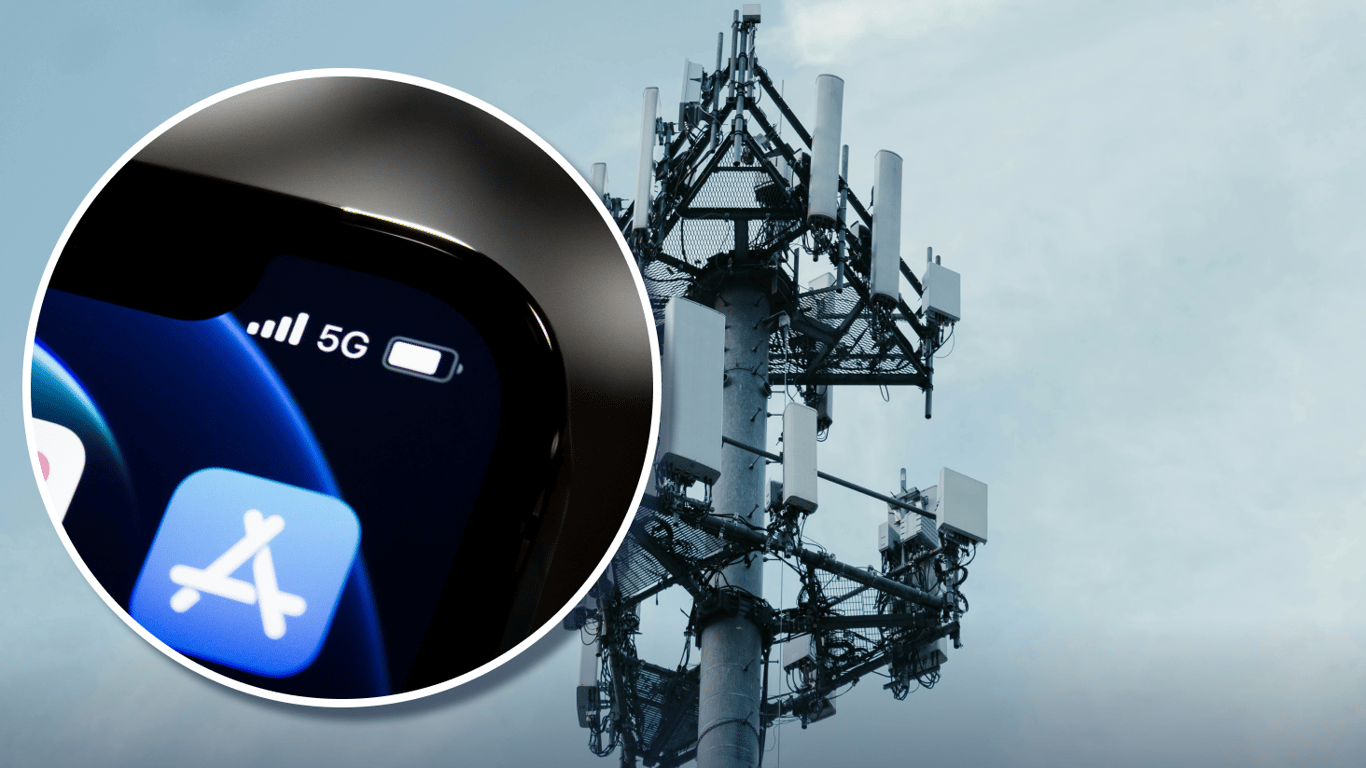
According to Novyny.live: In mobile network labels like 3G, 4G, and 5G, the letter 'G' stands for 'generation.' These terms mark the evolution of wireless communication, with each new generation—especially the fourth and fifth—bringing faster data speeds and expanded capabilities to users. Understanding this distinction helps clarify how mobile technology has progressed over time.
The fourth generation, known as 4G, represented a major leap forward from earlier standards by delivering quicker internet access and better call quality. The fifth generation, or 5G, promises even greater speeds and the ability to connect many more devices simultaneously, paving the way for advanced applications.
Common Confusion with Other Technical Terms
A frequent source of confusion involves terms like 10G. Unlike 3G, 4G, or 5G, 10G refers to a data transfer speed of 10 gigabits per second—a separate concept unrelated to mobile network generations. Additionally, modern smartphones often automatically fall back to older data standards, indicated by the letter 'E' on the screen. This ensures users maintain a stable connection even when newer networks are unavailable nearby.
Mobile network technology continues to evolve, and each new generation unlocks fresh opportunities for users. From the rollout of 4G to the emergence of 5G, changes go beyond just data speed; improvements in connectivity are crucial for driving innovations like the Internet of Things (IoT) and augmented reality.
'The future of mobile communication promises even more transformations in daily life, opening new horizons for business and information consumption.'
Read also
- Still Shifting: The 10 Most Powerful Manual Cars You Can Buy in 2025
- OLED vs. Mini LED TVs: Which One Is Better and What Sets Them Apart?
- Why High-Mileage Cars Burn Oil and the Dangers of Ignoring the Issue
- Weakest Points of the Popular 2.0 TDI EA288 Diesel Engine Revealed
- Two Simple Ways to Turn an Old Wi-Fi Router Into a Signal Booster
- Why London Is Pouring £5 Billion Into Drones—and What It’s Learning from Ukraine