Adhesive Film Degradation Can Slash Solar Panel Lifespan to Just 8 Years.

The Challenge of Solar Panel Degradation
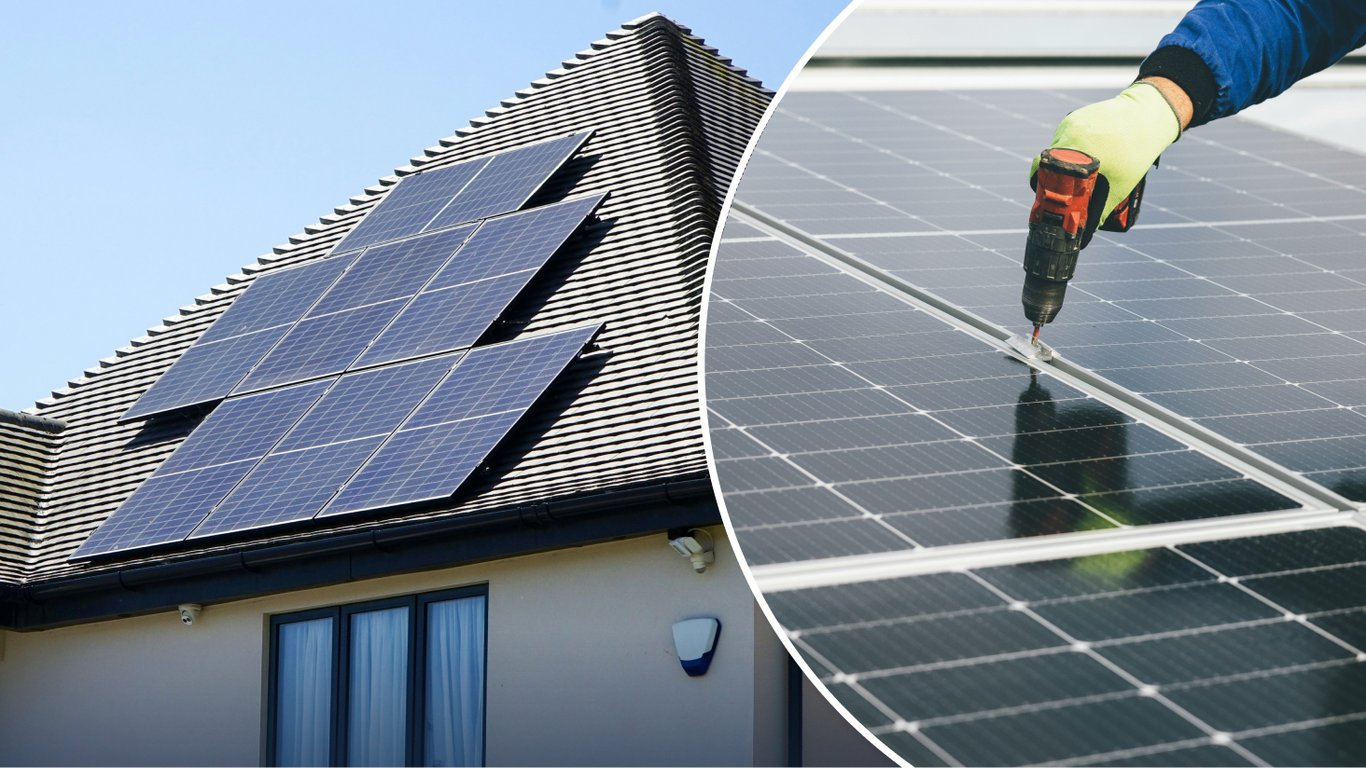
According to Novyny.live: A critical issue facing modern solar panels is the degradation of the adhesive film used in their construction, which can reduce their operational life from the expected 25 years to as little as 8 years in humid conditions. This problem is gaining prominence as the degradation of this thin adhesive layer can cause modules to lose a significant portion of their power output. This durability concern is crucial for homeowners and businesses investing in solar energy for long-term savings.
Research indicates that noticeable power degradation can occur after just 8 years, particularly in damp climates. The most common material in panel manufacturing, EVA (ethylene-vinyl acetate), which holds about 65% of the market, is susceptible to this issue. This premature decline is worrying for both consumers and manufacturers, who typically guarantee performance for 25 years.
Alternative Materials for Solar Panels
In response to these challenges, solar panel manufacturers are beginning to switch to other polymers, notably POE (polyolefin elastomer). This alternative material promises better resistance to degradation, which could positively impact panel lifespan and long-term performance. The global push for renewable energy makes such material advancements increasingly important.
It is worth noting that Australia is a world leader in the rate of residential rooftop solar panel installation. This highlights the growing popularity of renewable energy, yet emerging problems with adhesive film degradation could impact the long-term efficiency and return on investment for these systems.
"The question of why solar panels are failing earlier than their stated lifespan is becoming increasingly relevant in light of new research and shifts in manufacturing."
Consequently, manufacturers must find optimal solutions to improve material quality to ensure the longevity and reliability of solar energy systems. This situation underscores the need for developing new technologies in solar panel production to adapt to changing conditions and enhance durability.
The relevance of transitioning to new materials like POE may define future trends in the renewable energy sector, as consumers increasingly focus on system reliability and durability. Manufacturers capable of implementing such innovations have an opportunity to strengthen their market position and respond to the challenges arising in this dynamically changing industry.
Read also
- Intel’s 14A2 Process with Dual-Side Power Delivery: How It Could Reshape the Chip Market
- 260 Starlink Satellites Decommissioned by SpaceX: What’s Happening in Orbit
- First Jet1 Aircraft Model Now Under Assembly in Mojave: Promises Up to 50% Fuel Savings
- Seasonic Reveals RTX 5080 SUPER Specs: 415W TBP and 24GB Memory
- Electric vehicle range gets a massive boost as South Korea unveils next-generation battery electrodes
- Ukraine’s New ‘Flamingo’ Missile Strikes Targets 3,000 km Away: How the FP-5 Works