Why a Joint U.S.-Israeli Strike on Iran Derailed Nuclear Deal Negotiations.

U.S.-Iran Negotiations
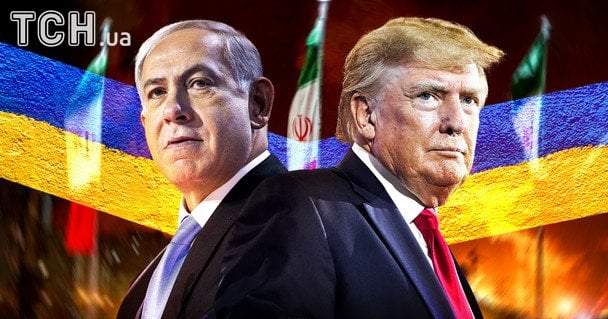
According to TSN.ua: Last week's negotiations between the United States and Iran were nearing a successful conclusion when they were derailed by Israeli intervention. On February 28, Israel struck Iran as part of a joint operation with the U.S. This action prompted Iran to retaliate by attacking U.S. military assets in the Middle East. The incident underscores the volatile nature of diplomacy in the region, where military actions can swiftly overturn months of careful talks.
Statements from Political Leaders
Former U.S. President Donald Trump remarked on the long-standing challenge:
“The United States has repeatedly attempted to reach a deal to curtail Iran's nuclear program.” - Donald Trump
This highlights the persistent efforts of American administrations on regional nuclear security. Concurrently, Israeli Prime Minister Benjamin Netanyahu stressed the critical need to contain Iran, stating:
“Iran must not be armed with nuclear weapons that would allow it to threaten all of humanity.” - Benjamin Netanyahu
These events illustrate the complex geopolitical landscape of the Middle East, where the intervention of a single nation can significantly impact international relations and regional security. It is currently unclear how future negotiations between the U.S. and Iran will proceed in the wake of the recent attacks. The status of Iran's nuclear program remains one of the most contentious issues in global politics, with diplomatic efforts spanning many years.
The Israeli intervention in the U.S.-Iran talks risks escalating the conflict and complicating these long-standing diplomatic efforts. The subsequent steps taken by all parties involved could profoundly affect regional stability and international relations as a whole.
Read also
- U.S. Secretary of State to Represent America at 2026 World Cup Opener as Trump Skips Match
- New US Bill Targets Tech Leaks Fueling Iran’s Shahed Drones
- Iran Identifies New Retaliatory Targets for Strikes Against the US: Bases in Three Nations
- Trump Orders Military Strikes on Iran: What We Know About the Operation
- Helicopter Down: Trump Warns of More Strikes After US and Iran Exchange Fire
- Trump Plans a Massive 250th Birthday for the US: White House UFC Fight and Campaign-Style Concert