Ukrainian Skeleton Athlete's Olympic Ban Upheld Over 'Memorial Helmet'.

Memory Under Scrutiny: The Controversy Over a Ukrainian Athlete's Olympic Disqualification
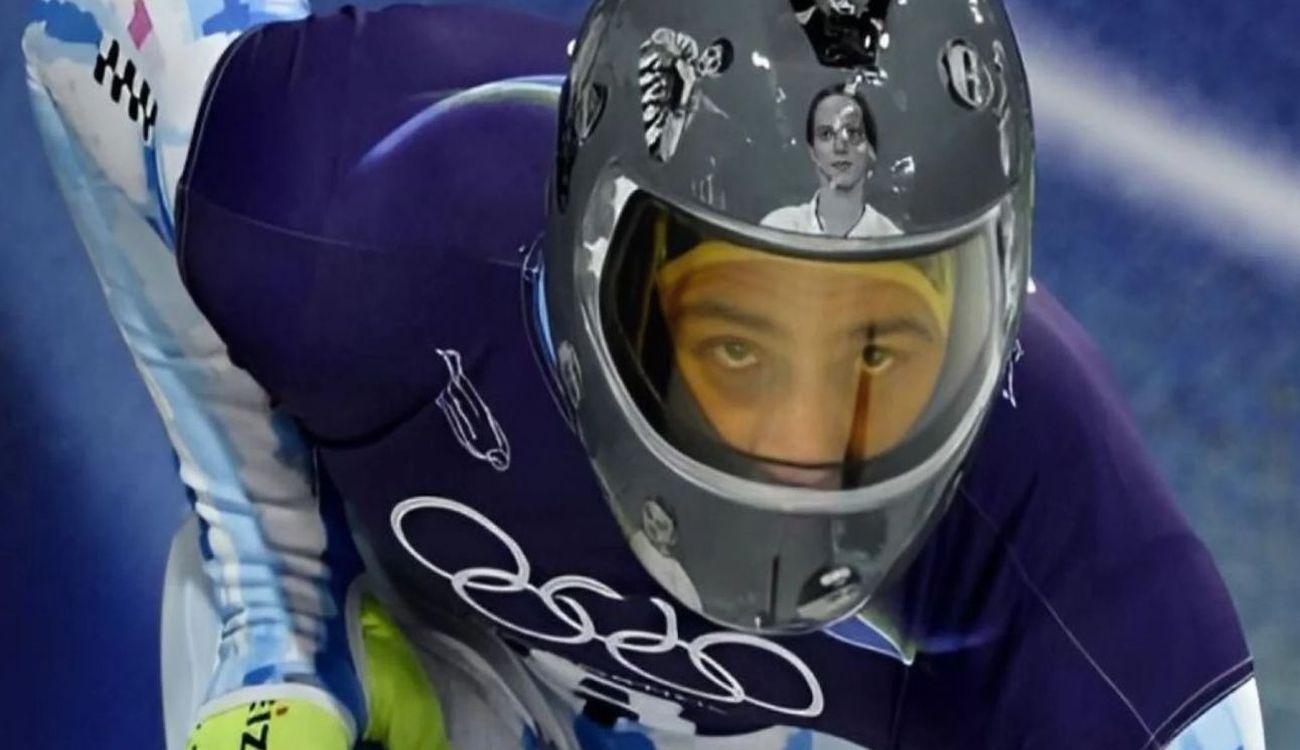
According to UATV: The Court of Arbitration for Sport has dismissed Vladyslav Heraskevych's appeal against the International Olympic Committee, which barred the Ukrainian skeleton athlete from the Games. The ban was imposed after he refused to compete without a 'memorial helmet' displaying portraits of deceased Ukrainian athletes. This case has sparked significant debate within the sporting world and the wider public. The incident highlights the tension between personal tributes and the IOC's long-standing rules, which aim to keep the Olympic platform politically neutral.
Vladyslav Heraskevych, a member of Ukraine's national skeleton team since 2016, conducted his first official training on the Olympic track on February 9, 2023, wearing the commemorative helmet. However, on February 12, 2023—the day competitions began—the International Olympic Committee disqualified him from the Games. During one of his training runs, Heraskevych posted a time of 56.70 seconds, demonstrating his competitive readiness at a high level.
Reactions and Commentary
The situation has been widely discussed by experts and fellow athletes. Matvii Bednyi, a representative of the sports community, shared his perspective, stating:
'This was an unfair decision. Vladyslav was not wearing a helmet with images of our political leaders.'Another expert, Zhan Beleniuk, emphasized the importance of the Olympic Games in the context of peace, remarking:
'The Olympic Games should have a preventive character so that wars do not occur during their holding.'Illia Kotov also noted the political dimension of sport, observing: 'Sport has long been a part of politics.'
This incident underscores the importance of memory and honoring the deceased, which can, unfortunately, clash with the international norms and regulations established for Olympic participation. The case of Vladyslav Heraskevych has generated widespread resonance and leaves open questions about how sport interacts with politics and social issues. It also draws attention to the significance of preserving the memory of fallen athletes and their contributions to the development of sport in Ukraine, even within the context of international competition.
Read also
- Olympic Champion Beleniuk Fires Sharp Criticism at IOC Over Russian Athlete Decision
- Why the Olympic Games Must Exclude Russia: A Political Power Play Through Sport
- Ukraine Confronts Kremlin's Use of Sport to Whitewash Its War
- Ukrainian Lawmaker Jean Beleniuk Urges 2026 Paralympic Boycott Over Russian and Belarusian Inclusion
- Ukraine Condemns Moves to Reintegrate Russian and Belarusian Athletes
- Jean Beleniuk on Revising Hero of Ukraine Honors: Presidential Prerogative