Why the Olympic Games Must Exclude Russia: A Political Power Play Through Sport.

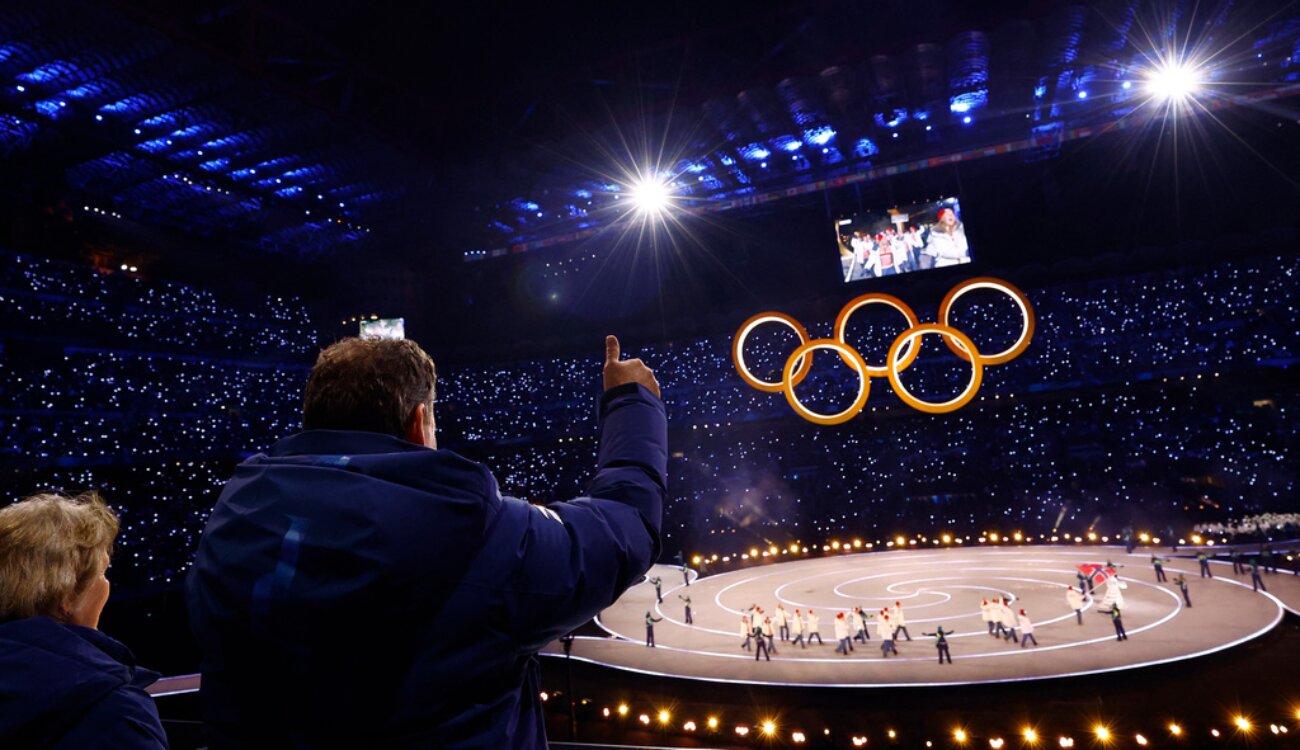
Russia's Use of International Sport
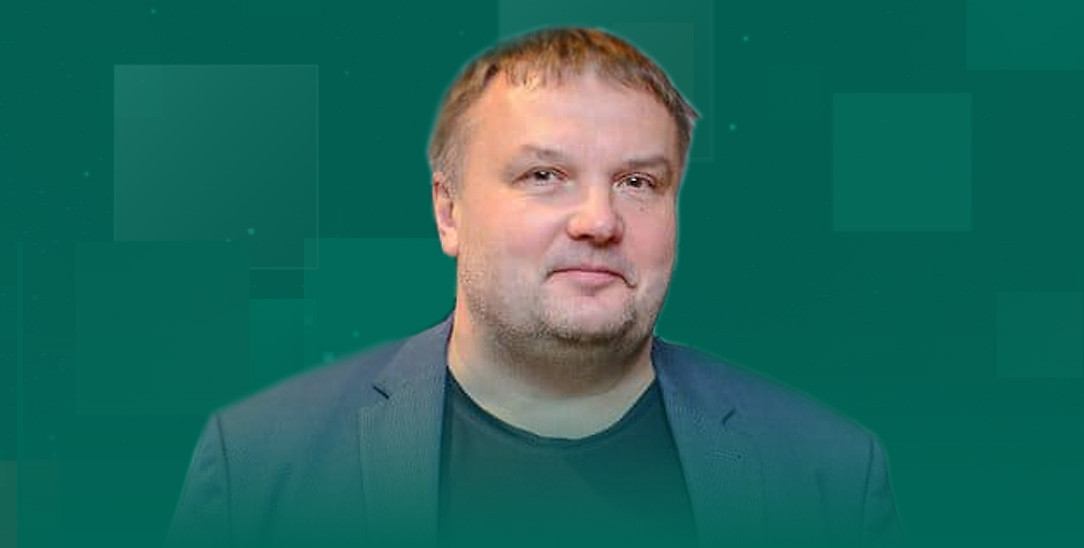
According to UATV: Political scientist Dr. Igor Petrenko explains Russia's attempts to regain global influence through propaganda and participation in events like the Olympics. Petrenko notes the deep connection between sport and politics, arguing that aggressor nations should be barred from international competitions. Russia seeks to rebuild its sway through propaganda, corruption, and manipulation, creating financial dependencies within various organizations.
Petrenko emphasizes that Russia exploits international events to project an image of global engagement.
'This is undoubtedly a propaganda pass for the Russian Federation, which will show, look, we are not isolated,' states Igor Petrenko.However, he stresses that an aggressor has no right to participate in international contests.
Russian Aggression on the World Stage
It is also worth noting that the Russian Federation has effectively paralyzed the work of the OSCE, serving as a stark example of its aggressive policies.
'A vivid example was the OSCE, which Moscow essentially blocked,' says Igor Petrenko.He highlights the broader problems arising from Russia's actions internationally.
Olympic champion and First Deputy Chairman of a Ukrainian parliamentary committee, Zhan Beleniuk, has also commented, noting that a 'consolidated and firm position from national teams' is required for protests against an aggressor's presence to be heard. These words underscore the critical need for unity among nations opposing aggression. The issue resonates deeply in global sports governance, where principles often clash with geopolitical realities.
Thus, the question of Russia's participation in international sporting events remains urgent, as it concerns not only sport but also politics, international relations, and global security.
The debate over Russia's competition status reflects wider trends in international relations, where sport becomes a tool for political leverage. Amid heightened global tensions, it is vital for participating nations to maintain solidarity and clearly articulate their stance against aggression. This could prove a key factor in upholding worldwide stability and security.
Read also
- Olympic Champion Beleniuk Fires Sharp Criticism at IOC Over Russian Athlete Decision
- Ukraine Confronts Kremlin's Use of Sport to Whitewash Its War
- Ukrainian Lawmaker Jean Beleniuk Urges 2026 Paralympic Boycott Over Russian and Belarusian Inclusion
- Ukraine Condemns Moves to Reintegrate Russian and Belarusian Athletes
- Jean Beleniuk on Revising Hero of Ukraine Honors: Presidential Prerogative
- Ukraine Leads 2026 Paralympics Boycott, Joined by European Allies