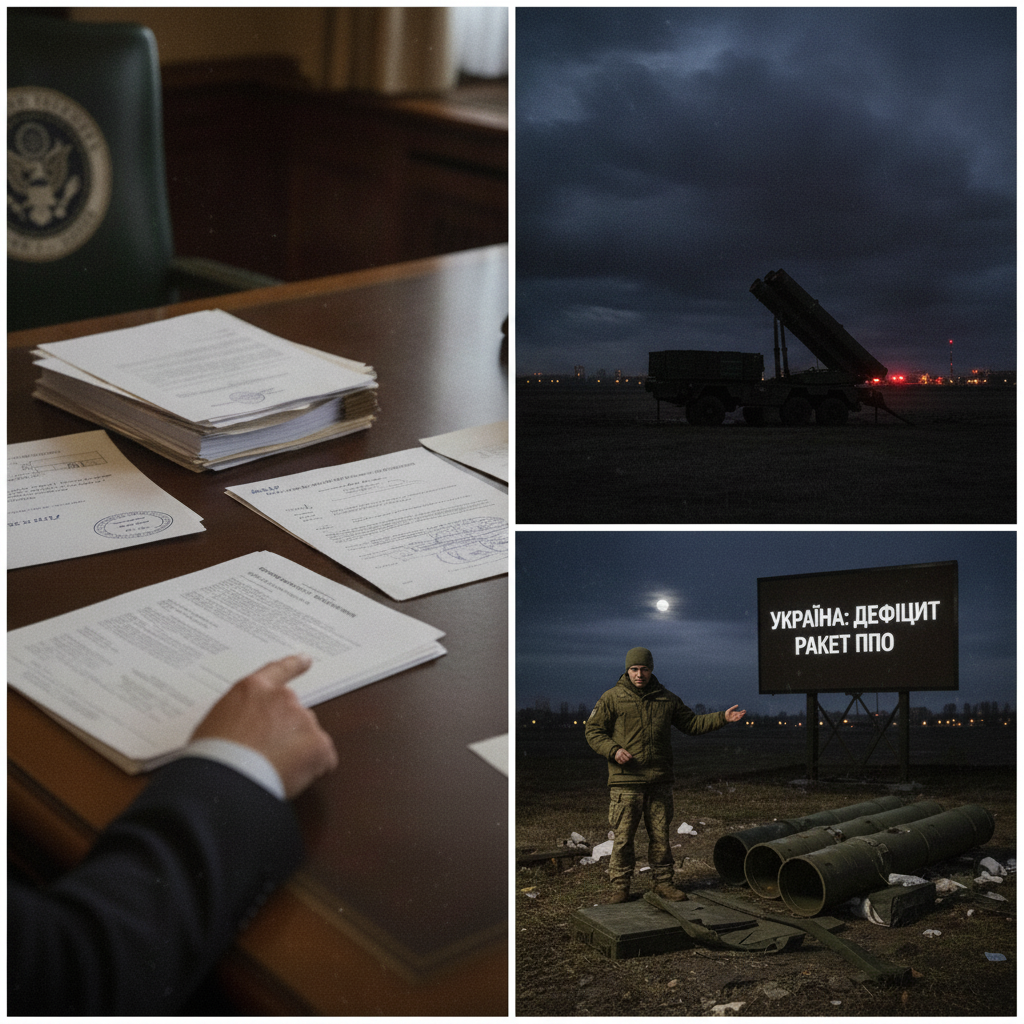
Peace Deal Reached Between the U.S. and Iran: Europe Signals Readiness to Lift Sanctions.

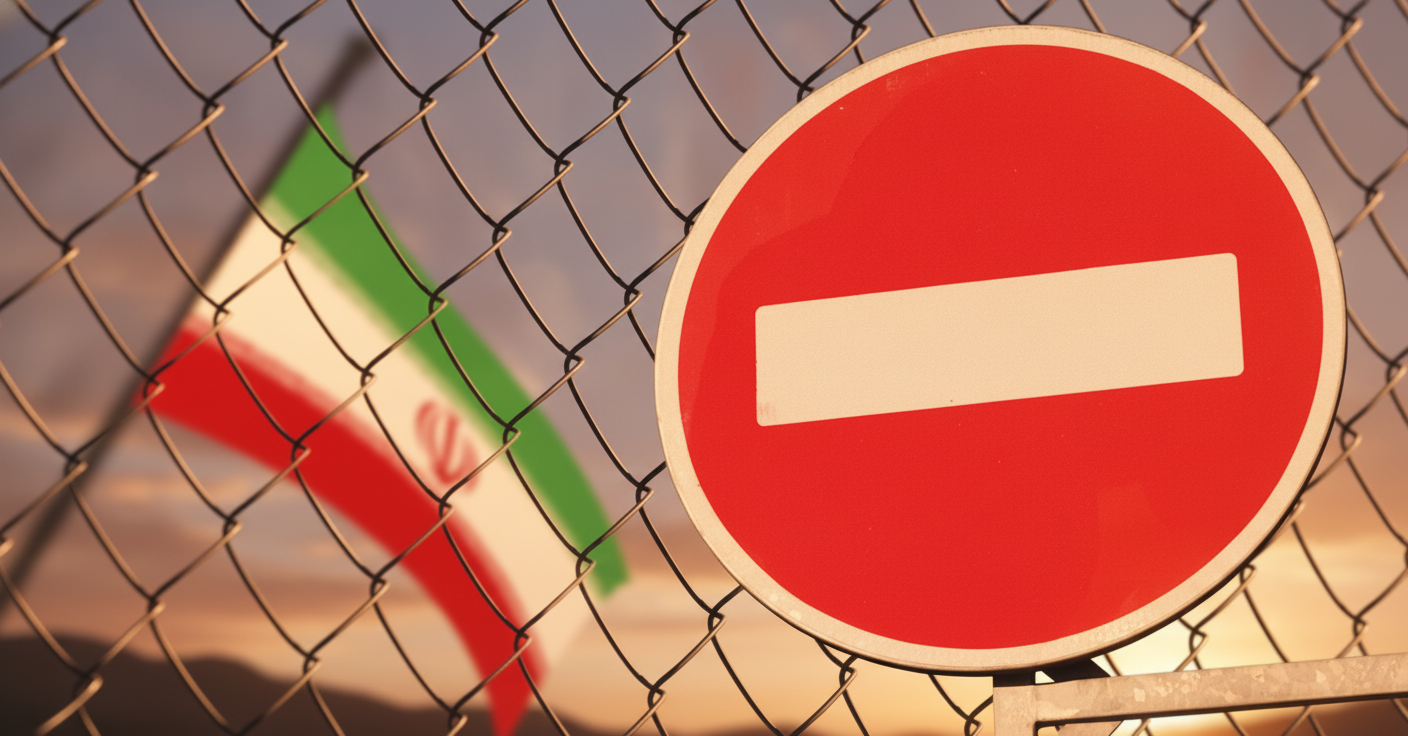
U.S.-Iran Peace Agreement Announced
According to Espreso.tv: European leaders have welcomed the newly established peace agreement between the United States and Iran, urging the reopening of the Strait of Hormuz with unrestricted navigation rights. They have also indicated a willingness to remove sanctions against Iran, contingent on compliance with nuclear program requirements. U.S. President Donald Trump confirmed the signing of the peace accord with Iran, marking a significant step toward de-escalating tensions across the region. This development comes after years of heightened conflict and diplomatic standoffs between the two nations.
On June 15, the U.S. and Iran reached a formal understanding to halt hostilities and reopen the Strait of Hormuz. This breakthrough lays the groundwork for further negotiations and a potential improvement in bilateral relations. Leaders from France, Germany, the United Kingdom, and Italy have expressed their readiness to lift sanctions, provided Iran meets conditions regarding its nuclear activities.
“We are committed to playing our part in achieving this,” the European leaders stated.
This shift in dynamics could have substantial implications for global politics and the economy, particularly concerning energy shipments transiting the Strait of Hormuz, a critical chokepoint for oil and gas supplies.
Regional and Global Impact of the Agreement
The peace agreement between the U.S. and Iran could represent a turning point in their relationship and influence stability throughout the broader region. Reopening the Strait of Hormuz, a strategically vital corridor for oil deliveries, may enhance security for international maritime operations and positively affect global energy markets. If the terms of the accord are successfully implemented, it could unlock new avenues for economic collaboration between Iran and Western nations.
Successful adherence to the deal's conditions might pave the way for renewed trade and investment opportunities, reshaping geopolitical alliances in the Middle East.
Read also
- Ukraine's Leader Lands in US for Trump Talks and Graham Funeral: Key Issues on the Agenda
- Trump Announces Iran's Military Capabilities Are Virtually Gone
- Joint production and expanded supplies: Ukraine and the US finalize a Patriot missile agreement
- Facing a Critical Shortage, Zelenskyy Confirms Russia Launched 40 Ballistic Missiles at Kyiv in Just One Hour
- Tehran Has Not Reached Out to Washington as Trump Halts Airstrikes on Iran
- Trump Says Talks Possible as Oil Prices Crash After US and Iran Halt Attacks